2026 Top Solid State Phase Converter Types for Buyers
Choosing the right solid state phase converter in 2026 requires more than comparing horsepower ratings. Buyers must examine input voltage, output balance, starting current, motor duty, and installation conditions. A converter that performs well in a quiet workshop may struggle beside a dust-heavy sawmill or a compressor with repeated starts.
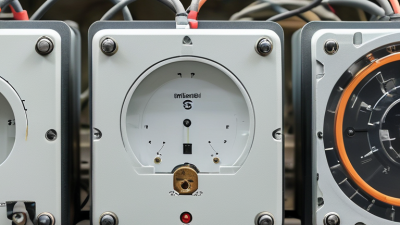
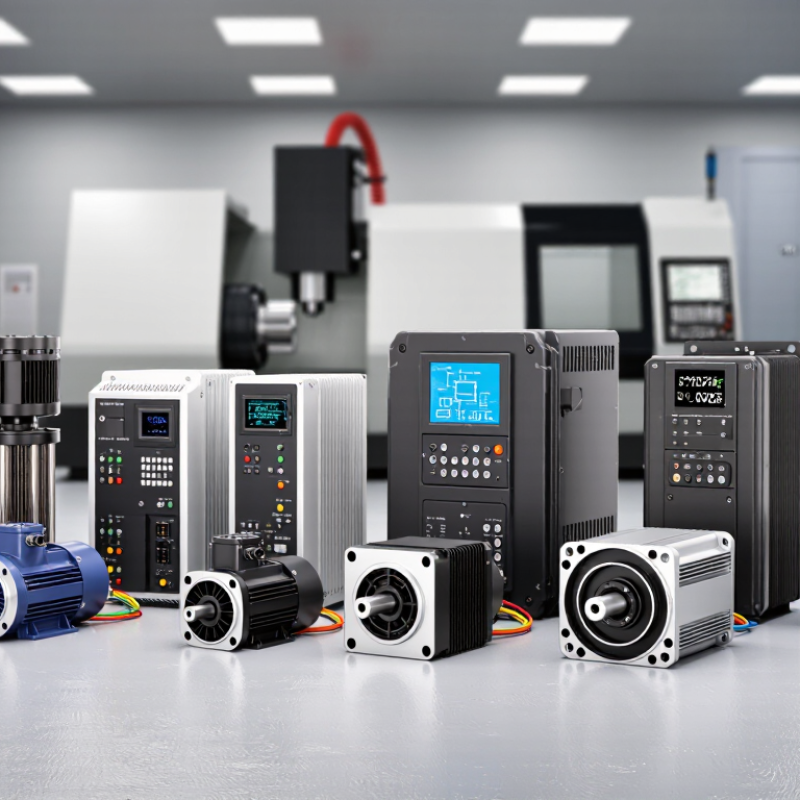
Modern solid state phase converter types include inverter-based systems, digital phase converters, variable-frequency-drive configurations, and programmable units with advanced monitoring. Each design handles voltage regulation and motor loading differently. Some models deliver smooth three-phase output for CNC equipment. Others focus on pumps, fans, welders, or general-purpose motors. The details matter. A small display, for example, may reveal phase loss, overload events, or unstable input power before serious damage occurs.
Ratings can mislead.
This guide compares the leading options for buyers who need dependable performance and practical serviceability. It considers conversion efficiency, waveform quality, thermal management, control features, noise, maintenance, and compatibility with sensitive equipment. The discussion also draws on manufacturer documentation, application notes, and real installation concerns, rather than relying only on promotional claims. Buyers should confirm specifications with qualified electrical professionals and test actual operating loads where possible.
No single type wins every application. A lower-cost unit may appear attractive, yet poor phase balance can increase motor heat and reduce service life. Conversely, a highly configurable model may be unnecessary for one standard machine. The recommendations here are useful, but not absolute. Site conditions change, and even careful selection deserves a second look before purchase.
Solid State Phase Converters: Definition and Operating Principles
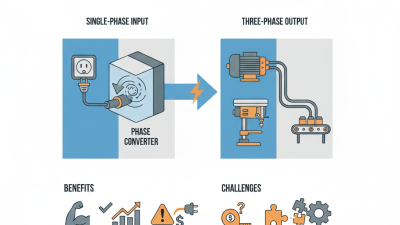
Solid state phase converters change single-phase electricity into usable three-phase power through electronic switching. They do not create an additional utility phase. Instead, they reshape electrical energy for compatible motors and equipment. A rectifier first converts incoming AC into DC. Capacitors then smooth the DC link. An inverter uses fast-switching power devices and pulse-width modulation to produce three output waveforms. These waveforms must maintain controlled voltage, frequency, and phase spacing.
The U.S. Department of Energy reports that motor-driven equipment consumes about 69% of industrial electricity in the United States. That figure explains why conversion efficiency deserves careful attention. The DOE’s Improving Motor and Drive System Performance sourcebook also stresses matching drives, motors, and operating loads. In real installations, sensors monitor current, temperature, and output frequency. A control processor adjusts switching patterns when the motor accelerates or the load changes. The process feels silent beside a rotary converter.
Buyers should inspect continuous output capacity, starting-current tolerance, waveform quality, and heat dissipation. NEMA MG 1 and IEC 60034 provide useful motor performance references, but neither removes the need for site testing. A converter may run a lightly loaded motor smoothly, then struggle during a cold start. That weakness is easy to miss. I would not judge performance from voltage readings alone. Check phase balance, harmonic distortion, enclosure temperature, and motor behavior under its real load. Field conditions often expose assumptions that laboratory specifications cannot.
2026 Top Solid-State Phase Converter Types for Buyers
Solid-state phase converters use power electronics to create a usable third phase from a single-phase supply. The most important operating difference is how the converter rectifies, stores, and switches electrical power before delivering a three-phase output.
Representative engineering ranges: actual efficiency depends on load level, motor size, switching method, ambient temperature, and installation quality.
Capacitor-Static Converter
Uses capacitors and electronic switching to start and assist a three-phase motor. It is simple and economical, but the generated phase is generally less balanced and is not intended to provide full three-phase capacity for every load.
Inverter-Based Converter
Converts AC to DC and then uses an electronic inverter to synthesize three-phase AC. It provides better voltage and frequency control and is commonly selected for pumps, fans, machine tools, and other variable-speed loads.
Active-Front-End Converter
Uses controlled power switches on the input and output sides. It can improve power factor, reduce input harmonics, and support regenerative operation, making it suitable for demanding industrial applications.
Key Types of Solid State Phase Converters in 2026
In 2026, buyers should compare solid state phase converter types by load behavior, not advertised capacity alone. Static phase converters use capacitors and electronic switching to start three-phase motors from single-phase power. They are compact and affordable, but output may remain unbalanced. This makes them better for occasional motor use than sensitive equipment.
Digital phase converters create three-phase power through rectification, control circuits, and inverter stages. They can provide more stable voltage for pumps, compressors, and machine tools. Inverter-based converters, including variable-frequency designs, also control motor speed and acceleration. That control can reduce mechanical shock, although it may not suit every plant-wide load. Check the required frequency range, starting current, and continuous-duty rating. A converter that runs a 5-horsepower motor may struggle with repeated starts.
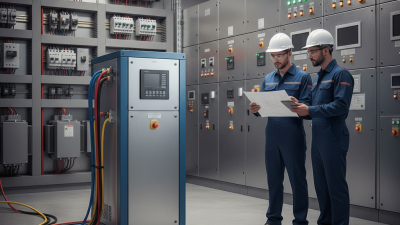
Tips: Measure the real input voltage with a calibrated meter. Compare all three output legs under load, not only at idle. Leave thermal headroom, especially in dusty workshops. Confirm whether the converter supports transformers, controls, and non-motor loads. Installation experience shows that cable length, grounding, and ventilation often affect performance as much as converter size. Some specifications look excellent on paper. They can disappoint during cold starts or heavy acceleration. A licensed electrician should verify protection settings and local requirements before commissioning.
Safety, Maintenance, and Long-Term Ownership Factors
2026 Top Solid State Phase Converter Types for Buyers
Safety, Maintenance, and Long-Term Ownership Factors
Static electronic converters are compact and usually easier to install than mechanical alternatives. Inverter-based converters offer tighter voltage control and better motor-starting performance. However, type names vary across suppliers. Buyers should inspect the electrical topology, rated output, overload capacity, and compatibility with sensitive controls. Do not guess. A converter that starts a small pump may struggle with a compressor’s locked-rotor current.
Safety deserves more attention than purchase price. The U.S. Department of Energy reports that motor-driven equipment uses about 70% of industrial electricity. Poor conversion can therefore increase heat, nuisance trips, and energy waste. Installations should include proper grounding, short-circuit protection, enclosure ventilation, and a clearly accessible disconnect. Harmonic distortion also deserves testing, especially where sensors or automation share the supply. NFPA 70 and applicable equipment-construction standards provide useful reference points, but site conditions still require qualified review.
Maintenance is usually simple, not maintenance-free.
Inspect terminals for discoloration, clean ventilation paths, and check cooling fans, capacitors, and semiconductor temperature alarms. Thermal imaging can reveal loose connections before failure. The IEA’s Energy Efficiency 2023 report links efficient motor systems with substantial electricity-saving potential, but converter efficiency changes with load. That assumption can fail. Ask for measured efficiency at typical loads, replacement-part availability, service documentation, and expected capacitor life. A cheaper unit may become expensive when one unavailable module stops production.