What is a 3 Phase Frequency Converter and How Does It Work?
A 3 phase frequency converter is an essential device in modern electrical systems. It allows the conversion of one frequency to another, enabling efficient power usage. Many industries rely on it for optimal performance.
These converters operate by altering the frequency and voltage of electrical energy. This process is crucial for equipment requiring specific operational frequencies. Industries benefit from this technology, especially when direct AC power is not suitable.
Understanding how a 3 phase frequency converter works can be complex. Various designs exist, each with unique advantages and potential drawbacks. Exploring these intricacies may reveal areas for improvement. The journey to mastering frequency conversion offers insights into efficiency and functionality.
What is a 3 Phase Frequency Converter?
A 3 Phase Frequency Converter is a crucial device in many industrial applications. It alters the frequency of electrical power supplies. This allows for various equipment to operate at different speeds. The device is essential for motors that require specific frequency inputs. It transforms the standard electrical frequencies into usable outputs for specific machines.
The converter works by first converting AC power from a common source. Next, it rectifies the current into DC. This process smooths out the power flow, making it more stable. Finally, it inverts the DC back to AC at the desired frequency. This sequence is vital for machines like pumps or conveyors that need precise speed control.
While the technology is fascinating, there are certain challenges. Efficiency can sometimes be compromised during the conversion process. Additionally, improper setup may cause flickering lights or uneven operation. Regular maintenance is crucial to ensure performance remains optimal. Understanding these nuances is important for effective application.
The Importance of Frequency Conversion in Industrial Applications
In industrial applications, frequency conversion plays a vital role. Three-phase frequency converters are essential tools for achieving optimal performance. According to a report by the International Energy Agency, about 40% of the world’s electricity consumption is used by electric motors. These motors often require specific frequencies to operate efficiently. Frequency converters adjust these frequencies to match the needs of various machines.
These converters also enhance adaptability in factories. Machinery often operates at different speeds. The ability to vary frequency allows for smoother operations and reduced wear and tear. A report by the Global Market Insights indicated that the frequency converter market is projected to reach $15 billion by 2025. This growth reflects the increasing demand for energy-efficient technologies.
However, issues still arise. Not all converters are built with durability in mind. Some fail under harsh conditions, leading to costly downtimes. Regular maintenance is crucial but often overlooked. This negligence can impact overall productivity. Additionally, the initial costs can deter companies from adopting this technology. Balancing cost and efficiency continues to challenge many industries.
Key Components of a 3 Phase Frequency Converter
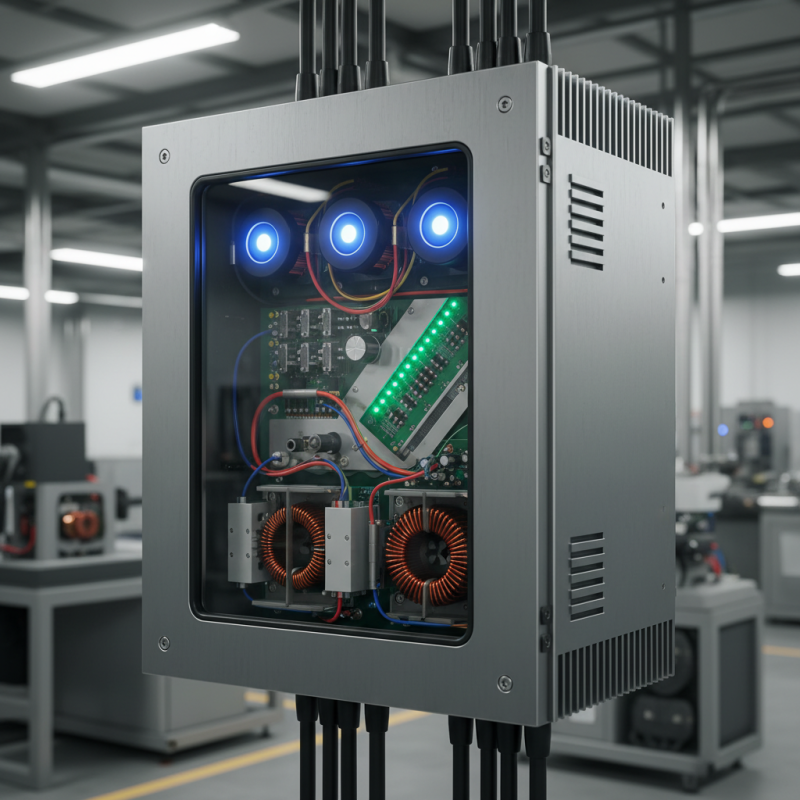
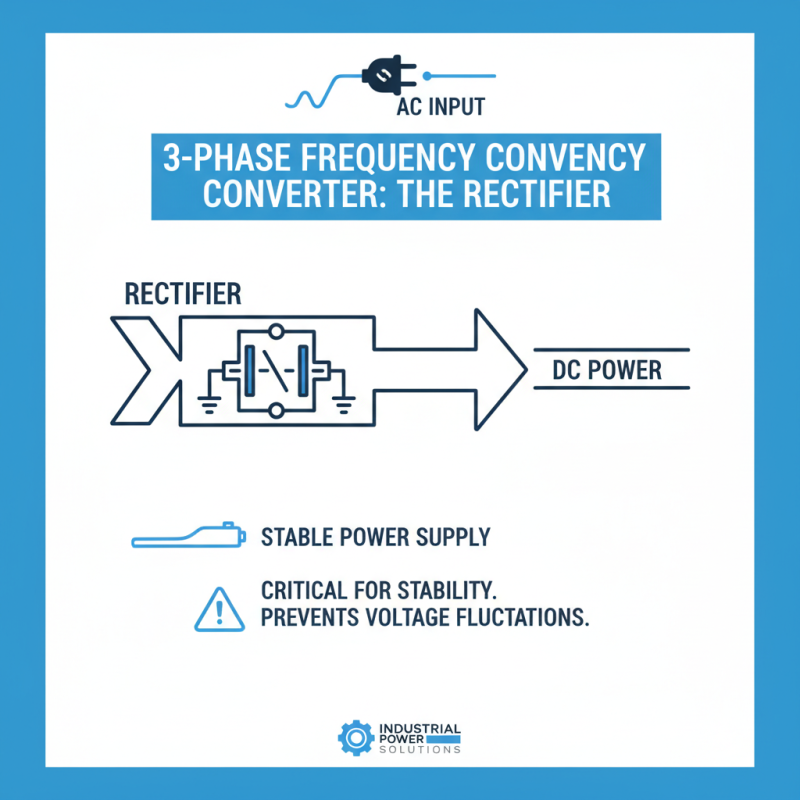
A 3 phase frequency converter consists of several key components that work together to convert electrical power. Among these components, the rectifier plays a critical role. It transforms the alternating current (AC) input into direct current (DC). This process is essential for maintaining a stable power supply. Without a proper rectifier, voltage fluctuations could damage connected equipment.
Next, the inverter takes over. It converts the DC back into AC but at a different frequency. This ability to adjust frequency allows various industrial applications to run smoothly. However, the efficiency of this conversion depends heavily on the inverter design. If not optimized, it may lead to energy losses.
Filters are also vital in a 3 phase frequency converter. They help reduce electrical noise and smooth out the output waveform. This results in cleaner power for sensitive equipment. However, selecting the wrong filter can lead to inefficiencies elsewhere in the system. Each component affects overall performance, requiring careful consideration. Understanding these details is crucial for anyone working with frequency converters.
How a 3 Phase Frequency Converter Operates
A 3-phase frequency converter is a crucial device used in various industrial applications. It converts fixed frequency power into variable frequency power. This conversion allows motors and other equipment to operate at different speeds. The frequency converter provides tremendous flexibility in controlling machinery.
How does it operate? The process begins with rectifying the input AC power into DC. Once in the DC state, the inverter switches the DC back into AC at a desired frequency. This can vary widely according to operational needs. Research by the International Electrical and Electronics Engineers indicates that frequency converters can enhance energy efficiency by over 20%. In various reports, reliability metrics show a 15% decrease in maintenance costs for systems using these converters.
Tips for users: Regular maintenance can prevent potential issues with the converter. Don’t overlook the importance of proper filtering. Inadequate filtering may lead to noise in the system and affect overall performance.
Another consideration is the compatibility of your equipment. Ensure that all devices in use align with the converter's specifications. Mismatches can result in inefficiencies or even failures. Always consult technical specifications before integrating new equipment.
Benefits of Using a 3 Phase Frequency Converter in Power Systems
A 3 Phase Frequency Converter is a crucial device in power systems. It alters the frequency of the input power supply. This conversion allows for better performance of electrical equipment, especially in industrial settings. One major benefit is energy efficiency. A recent industry report indicated that frequency converters can improve energy consumption by up to 30%. This translates to significant cost savings over time.
Another benefit lies in operational flexibility. A 3 Phase Frequency Converter can match the speed of equipment to the needs of the application. For example, in manufacturing, reducing the motor speed can lead to less wear and tear. It also minimizes energy use during low-demand periods. However, improper use can sometimes lead to oscillations or control issues.
Furthermore, they enhance equipment lifespan. By providing smooth and consistent power, these converters reduce voltage spikes and harmonics. According to a study by the International Journal of Electrical Power & Energy Systems, properly managed converters can extend motor life by 25% or more. Still, maintenance is key; neglecting regular checks could negate these benefits.
3 Phase Frequency Converter Performance Overview