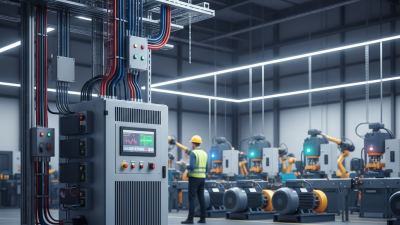
What is a 3 phase frequency converter and its benefits?
In the ever-evolving landscape of industrial technology, the **3 phase frequency converter** stands out as a pivotal innovation. This device plays a crucial role in converting electrical frequency and voltage, enabling seamless operation of three-phase motors. Its significance lies not merely in functionality but also in efficiency improvements and energy savings.
Utilizing a **3 phase frequency converter** can lead businesses to new heights. Industries like manufacturing and automation leverage this technology for enhanced performance. With better speed control and reduced wear on equipment, companies can achieve optimal productivity. However, integrating such advanced systems requires careful consideration and expertise.
Despite its advantages, challenges may arise. For example, installation may demand specialized knowledge, making it less accessible for smaller operations. Ongoing maintenance is vital to maximize longevity and efficiency. A **3 phase frequency converter** can revolutionize energy usage, yet it is essential to weigh the benefits against the complexities involved in its implementation.
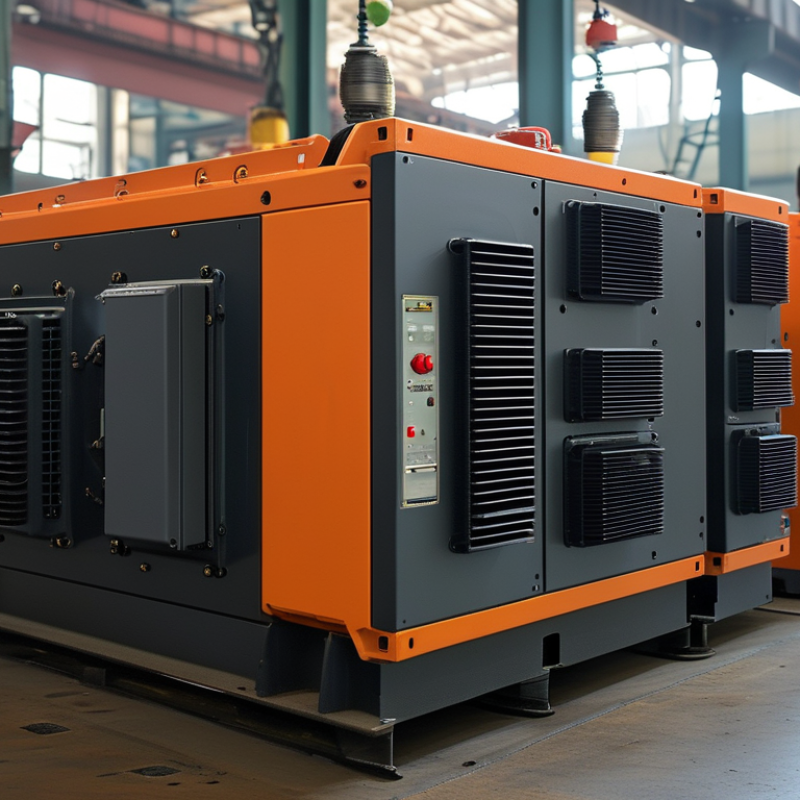
What is a Three Phase Frequency Converter?
A three-phase frequency converter is a device that converts electrical energy from one frequency to another. Commonly used in industrial settings, it can adjust the speed and torque of motors. This technology enables more efficient operation of machinery. It is essential in applications where load conditions can vary significantly.
The benefits of using a three-phase frequency converter are substantial. For instance, they enhance energy efficiency by optimizing motor performance based on real-time needs. Users can expect reduced energy consumption, which translates to lower operating costs. Moreover, this technology can extend the lifespan of equipment by minimizing wear and tear. Precise control of motor speed allows for smoother operations, which is crucial in manufacturing processes.
However, implementing such systems requires careful consideration. Proper calibration and setup are vital to avoid potential issues like overheating or inadequate performance. Knowledge and experience in handling these systems play a significant role in ensuring reliability. While the advantages are clear, users must remain diligent in maintenance and operation.
Principle of Operation for Three Phase Frequency Converters
Three phase frequency converters play a crucial role in modern electrical systems. They enable the adjustment of the frequency and voltage to ensure optimal performance of electrical equipment. The operation principle hinges on converting the fixed frequency AC power supply into a variable frequency output. This is achieved through a series of complex electronics and control systems.
The heart of the operation involves rectifying the incoming AC supply to direct current (DC). Afterward, the DC is inverted back into AC with the desired frequency. This conversion process allows for flexible control over motors and other devices, enhancing efficiency and performance. The benefits are significant—reduced energy consumption and extended equipment lifespan.
However, understanding the operation can be challenging. Errors in setup or calibration might lead to inefficient performance or even damage. The technology requires an awareness of specific parameters like voltage ratings and operational limits. This complexity underlines the importance of expertise in installation and troubleshooting. While the benefits are clear, the process is not without its pitfalls and demands careful consideration.
Key Benefits of Using Frequency Converters in Industrial Applications
In industrial settings, three-phase frequency converters play a crucial role in power management. These devices adjust the frequency and voltage of electrical supply to equipment. This capability translates into enhanced motor control, improved energy efficiency, and extended equipment lifespan. Industries can operate machines at optimal speeds, minimizing wear.
Another significant advantage is the versatility they provide. They enable the use of standard AC motors in applications that demand variable speed. Without frequency converters, these operations would require costly equipment upgrades. Moreover, using converters can lead to noticeable energy savings. Reduced energy consumption lowers operational costs, making businesses more competitive.
However, a few challenges can arise. Proper installation and calibration of frequency converters demand technical expertise. Inadequate settings could lead to inefficiencies or equipment damage. Regular maintenance is necessary to address potential issues over time. Despite these hurdles, the benefits often outweigh the risks. Adopting frequency converters can revolutionize industrial processes significantly.
What is a 3 phase frequency converter and its benefits? - Key Benefits of Using Frequency Converters in Industrial Applications
| Feature |
Description |
Benefit |
| Speed Control |
Allows precise control of motor speed in various applications. |
Improved energy efficiency and optimized processes. |
| Reduced Harmonics |
Minimizes harmonic distortion in electrical systems. |
Increased lifespan of electrical equipment. |
| Regenerative Braking |
Recovers energy during the braking phase. |
Enhanced energy savings and efficiency. |
| Flexibility |
Compatible with various motor types and industrial systems. |
Ease of integration into existing setups. |
| Cost Savings |
Lower operational and maintenance costs. |
Increased profitability for businesses. |
Common Applications of Three Phase Frequency Converters
Three phase frequency converters are essential tools in modern industry. They are used to control the speed and torque of three-phase motors. This control improves efficiency and reduces energy consumption. Common applications include manufacturing, HVAC systems, and pump control. Each of these applications benefits from precise motor control, leading to improved performance.
In manufacturing, frequency converters help optimize production lines. They adjust the motor speed to match the specific needs of the machinery. This adaptability ensures that machines operate at their most efficient levels, reducing wear and tear. For HVAC systems, these converters enhance energy efficiency. They allow fans and compressors to run at varying speeds, responding to real-time demands. This flexibility not only saves energy but also extends the lifespan of equipment.
Tips for selecting a frequency converter include considering the load type and motor specifications. It’s also important to assess environmental factors that could impact performance. In some cases, installation challenges may arise. Ensuring compatibility with existing systems is crucial. Think about consulting with industry experts if needed. Addressing these elements can lead to a more effective implementation.
Factors to Consider When Choosing a Frequency Converter
When selecting a three-phase frequency converter, several factors come into play. The power rating of the converter should match the application requirements. If the converter is undersized, it may lead to overheating or failure. On the other hand, oversized converters can be less efficient and more costly.
Another critical aspect is the input voltage range. Ensure that the converter can accept the voltage supplied by your power source. The operating environment also matters. Consider temperature and humidity levels, as these can impact the converter's performance. Additionally, the converter’s efficiency rating can significantly affect energy consumption and operating costs.
Durability and reliability are essential, especially in industrial settings. A robust design often correlates with longer life span and lower maintenance. However, not all models prioritize these features. It’s important to scour through user reviews for potential red flags. Also, consider the ease of installation and whether professional support is readily available. Each factor contributes significantly to the overall effectiveness of your frequency converter choice.