Unlocking the Benefits of 3 Phase Power Converters: A Comprehensive Guide for Efficient Energy Use
In today's rapidly evolving energy landscape, the demand for efficient and reliable power conversion solutions has never been more critical. This comprehensive guide delves into the advantages of utilizing a 3 phase power converter, a technology that stands at the forefront of energy efficiency. By optimizing electrical systems for industrial and commercial applications, these converters not only enhance performance but also significantly reduce operational costs. Our exploration will cover the fundamental principles behind 3 phase power converters, their various applications, and the transformative benefits they offer in promoting sustainable energy practices. As we unlock the potential of this technology, we aim to equip you with the essential knowledge to make informed decisions for maximizing energy use in your endeavors. Join us as we embark on a journey to understand how a 3 phase power converter can revolutionize your approach to energy consumption and efficiency.
Understanding the Fundamentals of 3 Phase Power Conversion Technology
Three-phase power conversion technology plays a crucial role in
optimizing energy efficiency across various applications,
notably in industrial and commercial settings. A recent survey highlighting
99.9% class efficiency in DC-AC power conversion underscores the
importance of maximizing efficiency in power electronics. This level of efficiency not only reduces energy losses but
also enhances the overall performance of electrical systems. Engineers are increasingly focused on overcoming
technical challenges associated with non-ideal grid conditions,
ensuring that three-phase systems can operate effectively even in unbalanced and harmonic environments.
Moreover, advancements in active disturbance rejection control for three-phase
LCL power conversion systems have shown promise in maintaining efficiency despite fluctuations in grid quality. As
the demand for reliable and efficient energy solutions grows, understanding the fundamentals of three-phase power
conversion becomes essential for engineers and technicians alike. With ongoing developments in power electronics,
including innovations in solid-liquid-gas interfaces and the application of variable frequency drives,
the industry is witnessing a significant shift, paving the way for enhanced energy utilization and integration of
renewable resources.
Identifying Key Benefits of 3 Phase Power Converters for Energy Efficiency
The rise of 3 phase power converters has transformed energy efficiency in various industrial applications. One of the key advantages of these converters is their ability to deliver three-phase power, which offers a more stable and reliable energy supply compared to single-phase systems. According to a report by the International Energy Agency (IEA), industrial facilities utilizing 3 phase power can reduce energy losses by up to 15%, translating to significant cost savings and enhanced operational efficiency. This improvement is particularly crucial for high-demand machinery, where maintaining consistent power is essential for optimal performance.
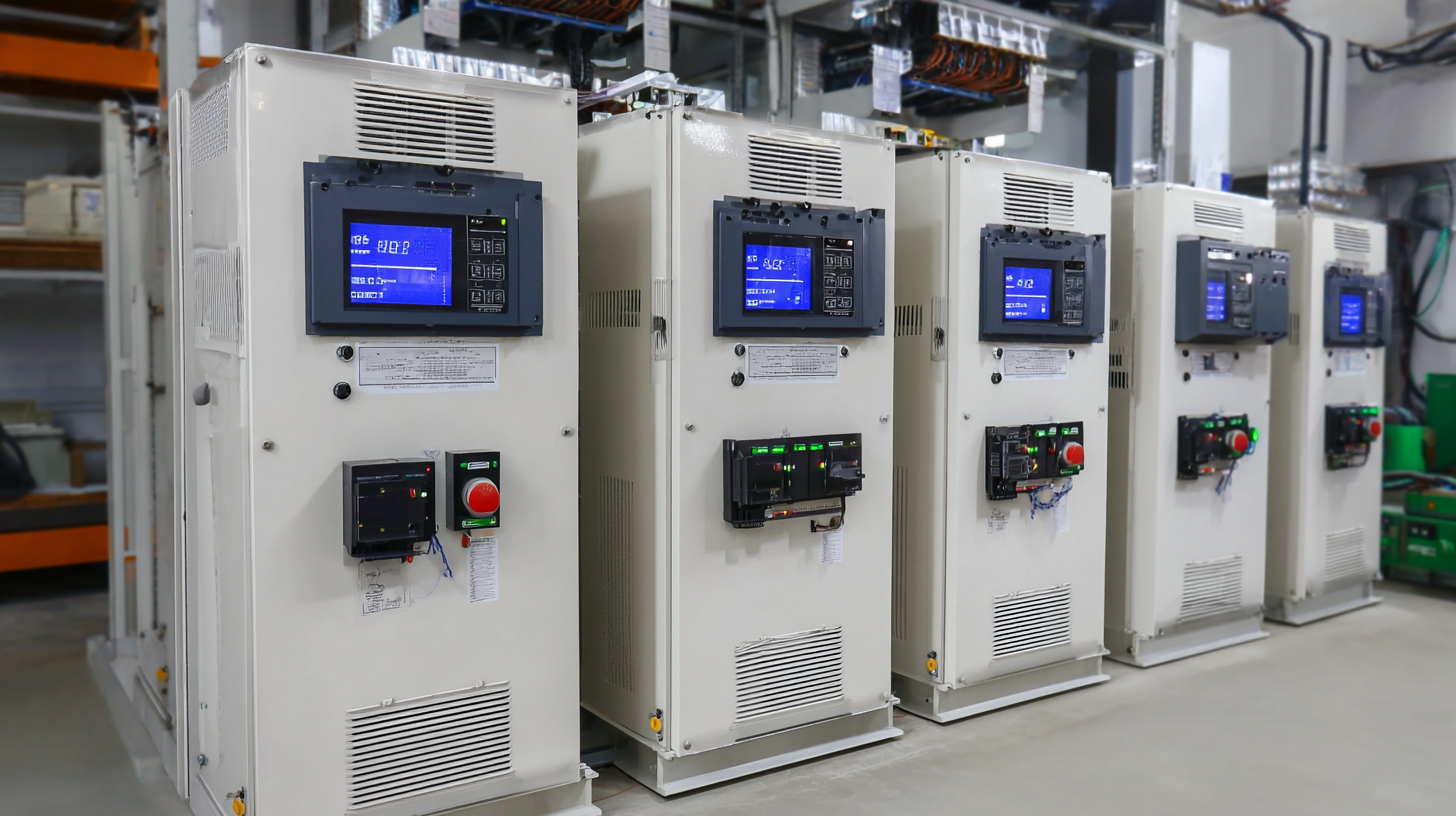
Furthermore, 3 phase power converters are designed to handle larger loads while maintaining a compact and efficient footprint. Research from the American Council for an Energy-Efficient Economy (ACEEE) indicates that integrating these converters can lead to up to a 20% reduction in energy consumption for high-power applications. Moreover, their advanced technology minimizes harmonic distortion, resulting in improved power quality and reduced downtime for equipment. This positions 3 phase power converters as a vital solution for organizations aiming not only to enhance their energy efficiency but also to achieve sustainability goals by lowering their carbon footprint.
Step-by-Step Guide to Selecting the Right 3 Phase Power Converter
When selecting a 3 phase power converter, it’s vital to consider several key factors to ensure optimal efficiency and performance. First and foremost, understanding the load requirements is crucial. Industry reports indicate that 3 phase systems can handle higher loads more effectively than single phase systems, often achieving efficiency levels exceeding 90%. This efficiency is particularly significant in industrial applications where power demand is consistently high, leading to reduced energy costs and better operational performance.
Another important aspect is the converter's total harmonic distortion (THD), as excessive harmonics can lead to equipment malfunctions and energy losses. A study by the IEEE suggests that converters with a THD below 5% can significantly enhance the lifespan of connected equipment. Additionally, choosing a converter that offers a wide input voltage range can provide more flexibility in varied operational conditions and help maintain consistent output, essential for maintaining system reliability and minimizing downtime. Therefore, evaluating these parameters will guide users in making informed decisions when selecting the right 3 phase power converter for their needs.
Installing and Configuring Your 3 Phase Power Converter for Optimal Performance
Installing and configuring a 3-phase power converter is crucial for optimizing its performance and ensuring efficient energy use. A significant driving force behind the growth of the power converter market is the global push for enhanced energy efficiency, with the market projected to expand from $135.3 billion in 2024 to $279.2 billion by 2032. This underscores the increasing reliance on advanced technologies, such as 3-phase systems, which provide numerous advantages over single-phase systems, including improved power quality and reduced losses.
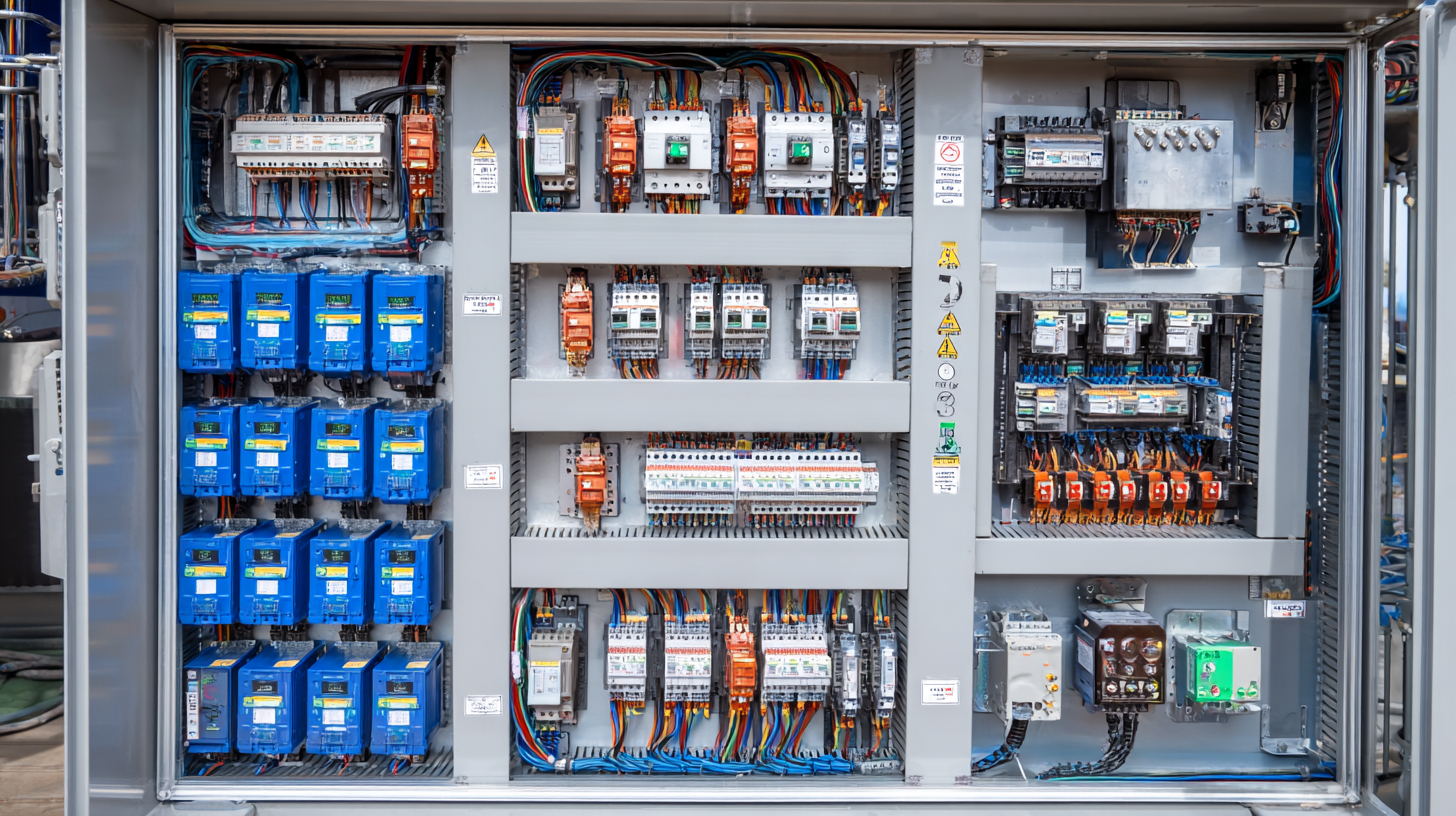
To achieve optimal performance from a 3-phase power converter, careful consideration must be given to its installation and configuration. This involves assessing the specific energy demands of the application, ensuring proper grounding and wiring, and incorporating appropriate protection devices. Additionally, utilizing high-performance components, such as GaN (gallium nitride) devices, can lead to significant gains in efficiency by facilitating faster switching speeds and reducing thermal losses. As industries increasingly adopt 3-phase power solutions, understanding the nuances of installation and configuration will be essential for maximizing their operational benefits.
Troubleshooting Common Issues in 3 Phase Power Converter Systems
Troubleshooting common issues in 3 phase power converter systems is crucial for maintaining efficiency and reliability in electrical applications. According to a report from the International Energy Agency (IEA), 3 phase systems provide superior performance in industrial settings, yet approximately 30% of operational downtime can be attributed to converter malfunctions. To mitigate these issues, operators should familiarize themselves with common symptoms such as overheating, inconsistent output voltage, and phase imbalances that may indicate underlying problems.
One of the prevalent issues is overheating, often resulting from inadequate cooling systems or overloaded converters. The National Renewable Energy Laboratory (NREL) highlights that consistent monitoring of temperature and load is essential; converters should operate within specific temperature thresholds—typically between 40°C and 60°C. Additionally, phase imbalances can lead to increased operational stress and power loss. Implementing real-time phase monitoring tools can help identify discrepancies early, thereby preventing costly repairs and extending the lifespan of the converter. By proactively addressing these common issues, companies can optimize performance and minimize disruption in their energy use.