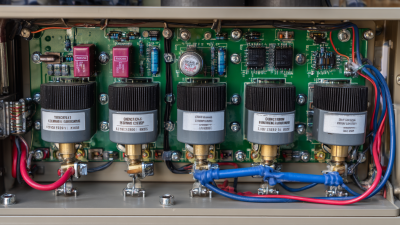
Top 5 Benefits of Converting Single Phase to 3 Phase Power Systems
In today’s rapidly evolving technological landscape, power conversion plays a pivotal role in enhancing the efficiency and reliability of electrical systems. One of the most significant advancements in this domain is the shift from single phase to 3 phase power systems. As industries strive for increased productivity and reduced operational costs, understanding the benefits of this transition becomes imperative. A single phase to 3 phase converter serves as the bridge that enables this critical shift, unlocking a myriad of advantages for both large-scale operations and smaller enterprises alike.
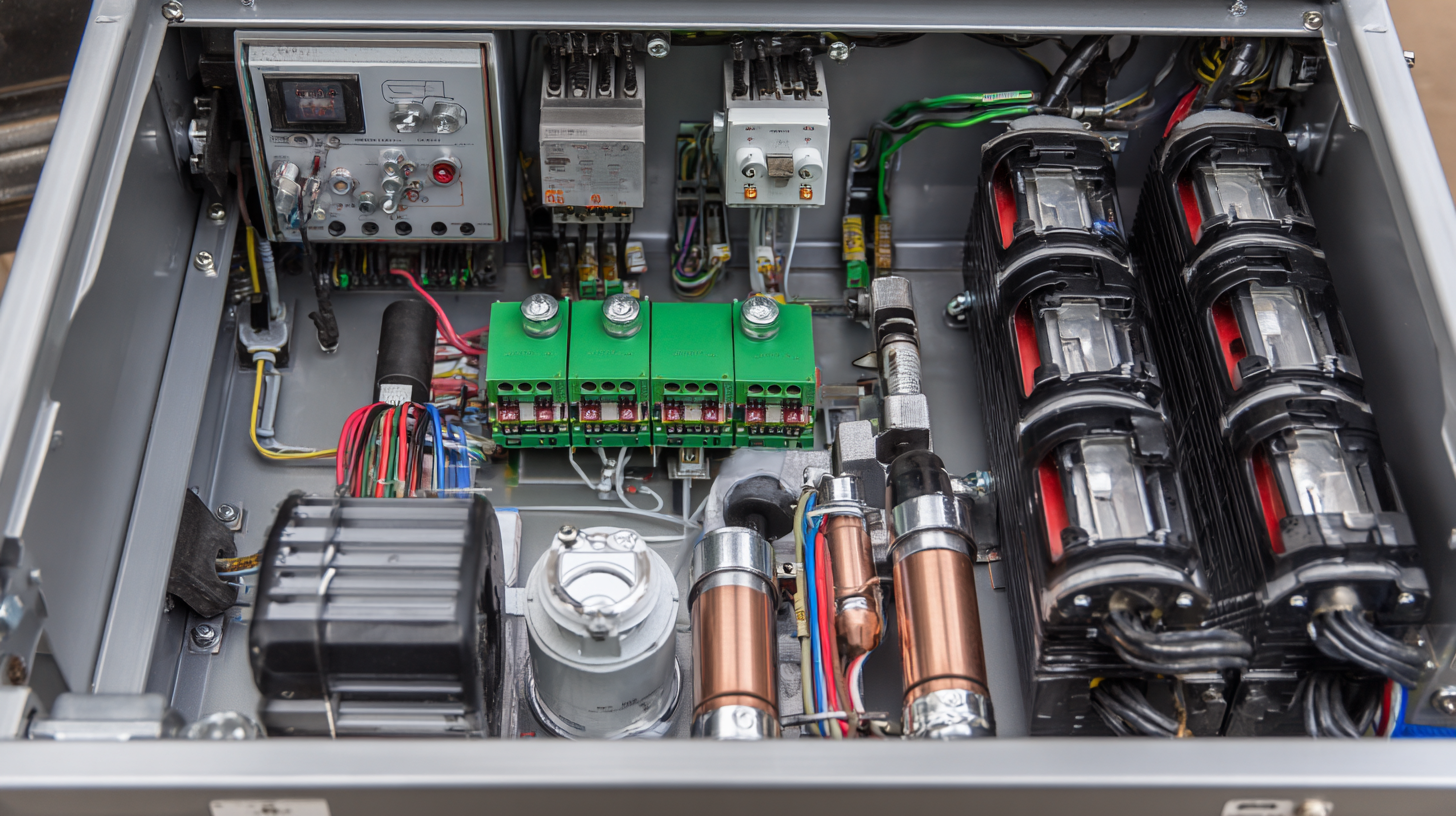
Converting to a 3 phase system not only optimizes power distribution but also improves the performance of motors and other electrical devices, leading to enhanced operational efficiency. Additionally, the increased power capacity allows for a more stable electrical supply, which is crucial for meeting the growing demands of modern machinery. By exploring the top five benefits of this conversion, we can better appreciate the value it brings to businesses and how it positions them for future growth and innovation. Embracing 3 phase power systems is not merely a technical upgrade; it is a strategic investment in sustainability and competitive advantage.
Benefits of Increased Power Capacity in 3 Phase Systems
 Converting from a single-phase to a three-phase power system offers significant advantages, especially concerning increased power capacity. According to the U.S. Department of Energy, three-phase systems can deliver nearly 1.5 times the power of single-phase systems of the same current. This enhanced capacity is particularly beneficial for industrial applications, where machinery and equipment often demand greater power to operate efficiently. With three phases, the power supply is steadier and allows for more balanced load distribution, which can lead to lower operational costs and improved equipment lifespan.
Moreover, the increased power capacity provided by three-phase systems enables businesses to scale their operations without the need for extensive electrical upgrades. A study by the International Electrotechnical Commission highlights that three-phase motors are more efficient, with energy losses being nearly 30% lower compared to their single-phase counterparts. This efficiency translates into cost savings and reduced environmental impact, making three-phase systems a more sustainable choice for modern industries. Adopting three-phase power can thus empower businesses to enhance their productivity while reducing their energy consumption.
Enhanced Efficiency and Reduced Energy Losses with 3 Phase Power
Converting from a single-phase to a three-phase power system can significantly enhance efficiency and reduce energy losses in various applications. According to the U.S. Department of Energy, three-phase systems can achieve a 25% increase in efficiency compared to single-phase systems, particularly in industrial settings where large motors and heavy machinery are used. This is because three-phase power provides a more consistent and reliable energy supply, eliminating the torque fluctuations experienced with single-phase systems.
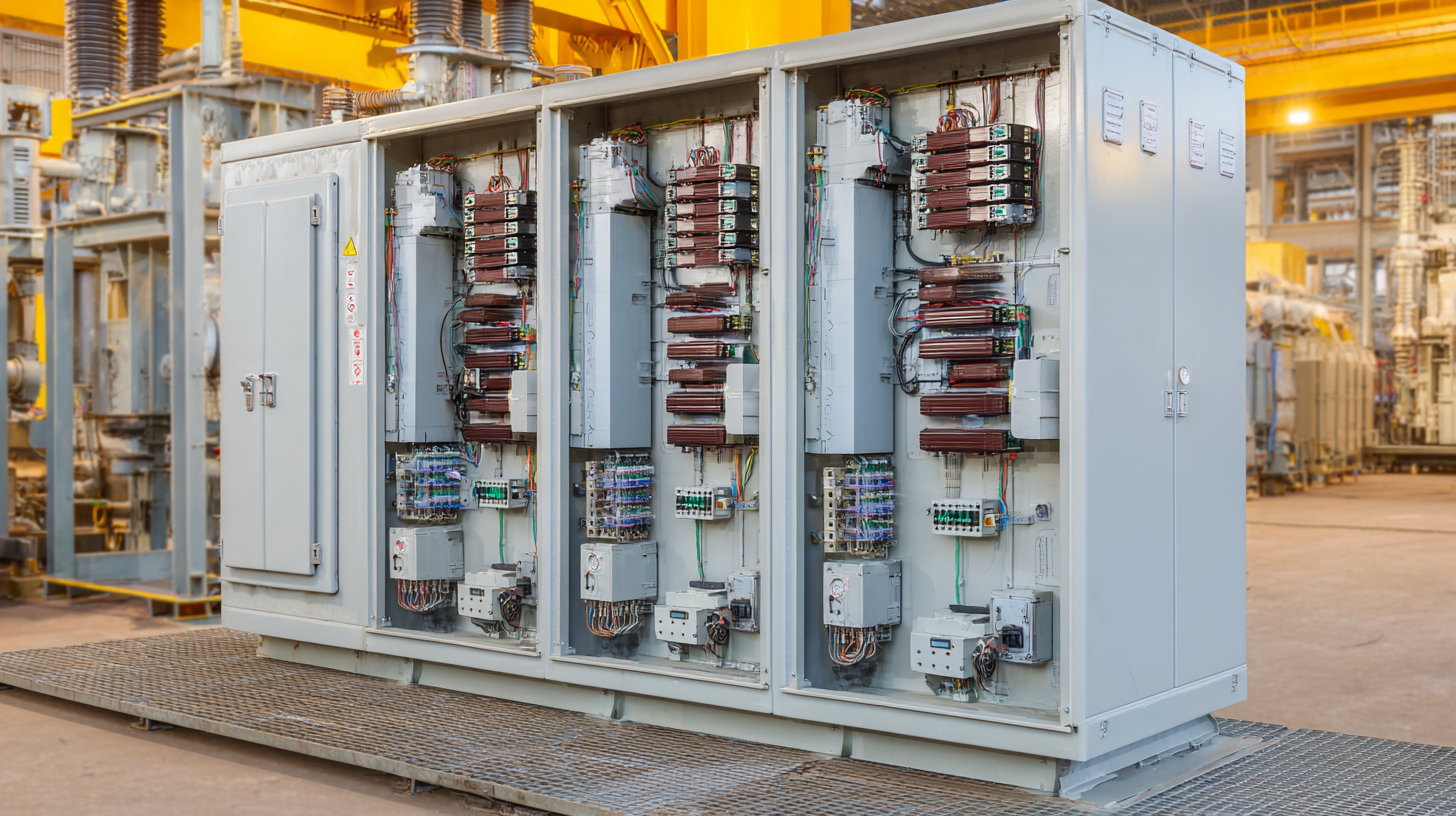
Furthermore, the operating costs associated with three-phase systems are generally lower, as they allow for smaller conductor sizes and reduced energy losses over long distances. A report by the International Electrotechnical Commission highlights that three-phase systems can reduce energy losses by up to 50% compared to single-phase systems when transmitting power over considerable distances. This improved efficiency not only benefits businesses by lowering energy costs but also contributes to a more sustainable power infrastructure. By embracing three-phase power, industries can enhance their operational capacity and reduce their environmental footprint.
Improved Motor Performance and Longevity in Industrial Applications
Upgrading from single phase to three phase power systems can significantly enhance motor performance and longevity, especially in industrial applications. Three phase systems provide a more consistent and reliable power supply, which minimizes the risk of motor overheating and mechanical failures. This improved power distribution leads to smoother operation of electric motors, resulting in better efficiency and reduced wear and tear over time.
Additionally, three phase motors tend to be more efficient than their single phase counterparts, as they can handle larger loads without overloading. This increased efficiency not only translates to lower energy consumption but also contributes to sustainability efforts in industries such as water treatment and desalination. By adopting three phase systems, companies can expect not only a boost in motor performance but also a longer lifespan for their machinery, ultimately leading to cost savings and reduced operational downtime.
Greater Stability and Reliability of Power Supply with 3 Phase Systems
When considering the conversion from single-phase to three-phase power systems, one of the most significant benefits is the enhanced stability and reliability of power supply. Three-phase systems deliver power more consistently and efficiently, making them ideal for industrial applications where high power loads and continuous operation are crucial. This steady flow of electricity translates to less downtime, lower risks of equipment failure, and improved overall system performance.
Tip: When planning for a conversion, it's essential to assess your current load requirements accurately. Understand how much power your systems need to determine the appropriate three-phase configuration. This will help you avoid overloading and ensure optimal performance.
Additionally, three-phase systems can support larger motors and machinery without the same fluctuations seen in single-phase setups. This not only improves operational efficiency but also prolongs the lifespan of electrical equipment, reducing maintenance costs over time. By having a more robust power supply, facilities can operate at higher capacities while experiencing minimized voltage drops.
Tip: Consider consulting with an electrical engineer to analyze the benefits of three-phase power in your specific application. They can provide tailored recommendations and help with the conversion process, ensuring that the transition is smooth and complies with local regulations.
Top 5 Benefits of Converting Single Phase to 3 Phase Power Systems
| Benefit |
Description |
Impact on System |
| Greater Efficiency |
Three-phase systems allow for a more balanced load, leading to reduced energy loss. |
Increased overall system performance and reduced electricity bills. |
| Improved Reliability |
Three-phase power systems have less voltage fluctuation compared to single-phase systems. |
Enhanced reliability of power delivery, reducing downtime for equipment. |
| Greater Power Output |
Three-phase systems can handle larger loads and power requirements, making them suitable for industrial applications. |
Ability to power heavy machinery and equipment efficiently. |
| Smaller Conductors |
Three-phase systems can achieve the same power level with smaller conductors compared to single-phase systems. |
Reduced material costs and easier installation. |
| Reduced Motor Size |
Three-phase motors are generally smaller and lighter than single-phase motors for the same power rating. |
Easier integration and less space required for motor installations. |
Cost-Effective Solutions and Future-Proofing with 3 Phase Conversion
Converting from single-phase to three-phase power systems offers significant cost-effective solutions and enhances future-proofing for industrial and commercial applications. According to a report by the Electric Power Research Institute (EPRI), three-phase systems can transmit power over longer distances more efficiently and with less energy loss compared to single-phase systems. This increased efficiency can lead to a reduction in operational costs, particularly for businesses that rely heavily on electrical machinery.
Moreover, the flexibility of three-phase systems allows for the integration of advanced technologies, making them ideal for industries looking to scale operations. A study by the International Energy Agency (IEA) indicates that transitioning to three-phase power systems can result in energy savings of up to 30% when compared to their single-phase counterparts. This is not only cost-effective in terms of energy consumption but also positions businesses favorably for future technological advancements, such as automation and smart grid solutions. By investing in three-phase conversion, companies can ensure they remain competitive and capable of meeting the demands of a rapidly evolving market landscape.