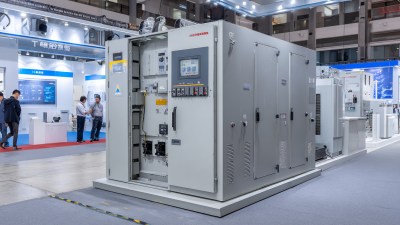
Understanding the Benefits of Phase Converters: Transforming 1-Phase to 3-Phase Power Efficiently
In today's industrial landscape, the efficient transformation of power is crucial for optimizing performance and reducing operational costs.
One of the most effective solutions for achieving this is through the use of a phase converter 1 to 3.
By converting single-phase power into three-phase power, these devices enable businesses to utilize three-phase equipment and machinery that usually require a more robust power supply.
The ability to run multiple high-demand tools and devices simultaneously without compromising on performance is a game-changer for many industries, from manufacturing to agriculture.
In this guide, we will explore the key benefits of phase converters, the various types available, and how to select the right one for your specific needs.
Embracing this technology not only enhances operational efficiency but also paves the way for future growth and innovation.
Benefits of Using Phase Converters for Industrial Applications
In industrial applications, the reliance on three-phase power is crucial for operating heavy machinery and ensuring high efficiency. However, many facilities still operate on single-phase power. This is where phase converters come into play, transforming one-phase electricity into the robust three-phase power that industrial equipment demands. By using phase converters, businesses can optimize their operations, reduce downtime, and enhance overall productivity without the need for costly upgrades to their electrical infrastructure.
**Tip:** When selecting a phase converter, always consider the horsepower rating of your machinery. It’s essential to choose a converter that matches or exceeds the requirements of your equipment to avoid performance issues and ensure longevity.
The versatility of phase converters allows for a wide range of applications, from running CNC machines to large motors. Additionally, they can support multiple pieces of equipment simultaneously, making them an economical choice for manufacturers looking to expand their operations without incurring significant electrical installation costs.
**Tip:** Regular maintenance of your phase converter is key to ensuring optimal performance. Check connections and settings periodically to prevent inefficiencies that can affect productivity.
Understanding the Benefits of Phase Converters: Transforming 1-Phase to 3-Phase Power Efficiently
| Feature |
Description |
Benefits |
| Power Conversion |
Converts single-phase power to three-phase power |
Enables the use of 3-phase equipment in 1-phase environments |
| Cost Efficiency |
Lower installation and operational costs compared to upgrading to a 3-phase supply |
Reduces overall electrical infrastructure expenses for businesses |
| Equipment Compatibility |
Allows use of standard 3-phase motors and equipment |
Maximizes equipment utilization without need for modifications |
| Efficiency Improvement |
Smoother operation of motors with minimal losses |
Enhances overall production efficiency and reduces energy costs |
| Flexibility |
Can be used in various industrial settings |
Provides adaptability to changing operational needs |
| Reliability |
Proven technology with low maintenance requirements |
Ensures continuous operation with minimal downtime |
Comparative Analysis: 1-Phase vs. 3-Phase Power Systems
In the field of power systems, understanding the differences between 1-phase and 3-phase configurations is crucial for optimizing energy efficiency and performance. A comparative analysis reveals that while 1-phase systems are simpler and less expensive, they suffer from limitations in power delivery, especially for high-load applications. In contrast, 3-phase systems can deliver more power and provide smoother operation, making them ideal for industrial and commercial environments. According to industry reports, 3-phase power systems can handle approximately 1.5 times more power than their single-phase counterparts, leading to reduced energy loss and improved overall reliability.
Recent technological advancements further illustrate the benefits of 3-phase systems. For instance, a study on three-phase grid-connected inverters emphasizes the superiority of advanced control methods that enhance efficiency and reduce power loss. Additionally, the integration of 3-phase photovoltaic systems has been shown to significantly improve power quality and minimize harmonics, thus supporting a more stable energy supply. The optimization of these systems indicates that transitioning from 1-phase to 3-phase can be not only necessary but also beneficial in achieving higher efficiency in energy generation and consumption.
Comparative Analysis of 1-Phase vs. 3-Phase Power Systems
Key Types of Phase Converters and Their Functionality
Phase converters are pivotal in applications where three-phase power is necessary, but only single-phase power is available. The two main types of phase converters are static converters and rotary converters.
Static converters are simpler in design and ideal for smaller loads, as they convert single-phase to three-phase power using capacitors. They are typically less expensive and require minimal maintenance, making them suitable for home workshops or smaller industrial applications.
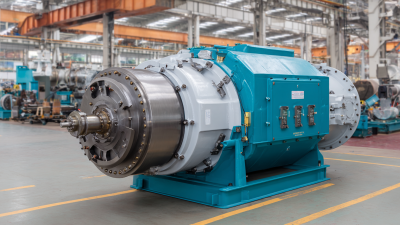
On the other hand, rotary converters offer greater advantages for larger and more demanding machinery. These systems use rotating equipment to generate three-phase power and can handle fluctuating loads more effectively.
Rotary phase converters are known for their durability and reliability, making them essential for larger manufacturing operations that require consistent and stable power supply. Understanding the functionality and differences between these two types can help users select the appropriate phase converter to optimize efficiency and productivity in their operations.
Cost-Effectiveness and Energy Savings with Phase Converters
Phase converters are essential devices that allow businesses and homeowners to convert single-phase power into three-phase power, providing significant cost savings and energy efficiency. By converting 1-phase to 3-phase, users can operate a wider range of industrial equipment that typically requires three-phase input, making it a cost-effective solution for upgrading electrical systems without having to install new service lines.
One of the primary benefits of using phase converters is their ability to reduce energy costs. Traditional methods of obtaining three-phase power can be expensive and impractical, especially in rural areas. With phase converters, users can avoid these high installation costs, thus contributing to lower overall operational expenses. Additionally, running equipment on three-phase power can improve its efficiency, leading to lower energy consumption and operational costs over time.
Tips: When selecting a phase converter, consider the total horsepower load of your machinery to ensure efficient performance. Regular maintenance of your phase converter can also help optimize its lifespan and efficiency, reducing long-term costs. Finally, consult with an electrical expert to assess your needs and ensure the right type of converter is chosen for your specific applications.
Installation Tips for Maximizing Phase Converter Efficiency
When installing a phase converter, attention to detail is crucial to ensure maximum efficiency and reliability. One of the first tips is to choose the right type of phase converter—static, rotary, or digital—based on your specific power requirements and the machinery you’ll be using. Rotary phase converters are often favored for their ability to provide higher starting torque, which is beneficial for running heavy machinery. Make sure to calculate the total load and select a converter that can handle at least 125% of your equipment's rated load for optimal performance.
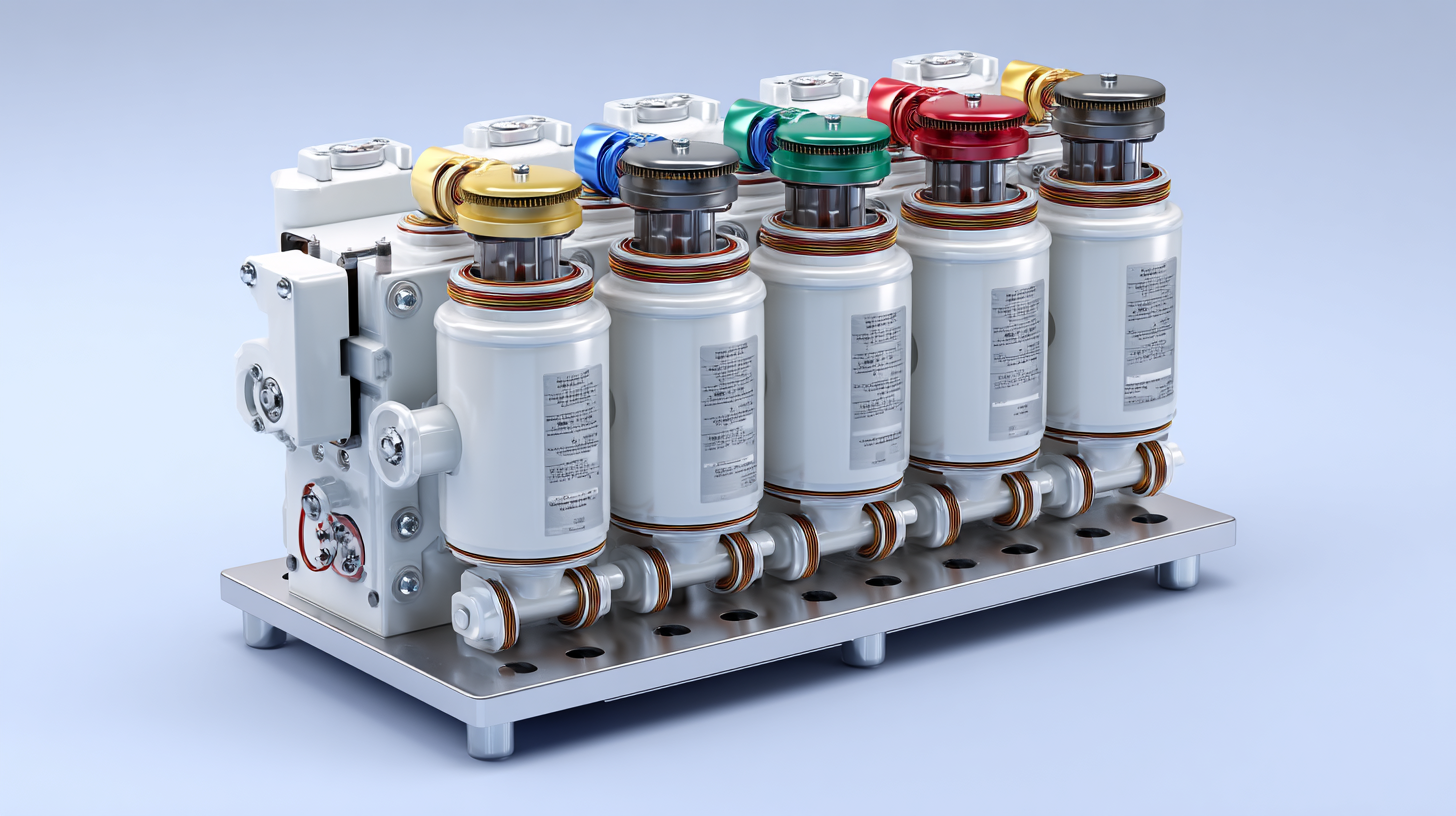
Additionally, proper installation location is key. Phase converters should be situated in a well-ventilated area to prevent overheating, which can reduce efficiency and lifespan. It's also advisable to keep them away from excessive dust or moisture, as these conditions can affect electrical components. Ensuring that the wiring is correctly sized and rated for the expected load can further enhance converter performance and safety. Taking these steps can lead to a smoother operation and a significant reduction in unexpected downtime.