How to Choose the Right Phase Converter for Your Needs?
When choosing a phase converter, understanding your specific needs is crucial. Industry expert John Smith, a veteran in power systems, states, "Selecting the right phase converter can make or break your equipment's performance." This highlights the importance of making an informed decision.
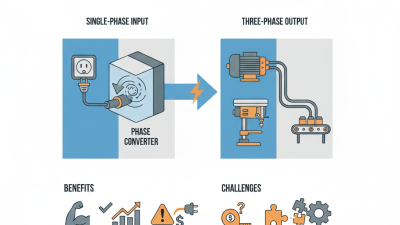
Phase converters are essential for converting single-phase power to three-phase power. They allow businesses to operate high-demand machinery more efficiently. Choosing the wrong type can lead to reduced performance and increased costs. It's not just about functionality; reliability is key.
Take the time to evaluate your equipment's requirements. Consider voltage, current needs, and load characteristics. Each detail plays a role in selecting the optimal phase converter. Remember, an informed choice can save you both time and money in the long run.
Understanding the Basics of Phase Converters
When selecting a phase converter, it's essential to understand its basic function. A phase converter transforms single-phase power into three-phase power. This process allows equipment designed for three-phase systems to operate efficiently. Common types include rotary and static converters. Each type has distinct features and applications.
Rotary converters are often favored for their reliability. They provide a stable output and can handle varying loads. However, they tend to be bulkier and more expensive. Static converters, on the other hand, are compact and easy to install. They work well for smaller loads but might struggle with high-demand equipment. Users may face a trade-off between size and performance.
Consider your specific needs before purchasing. Assess the types of machinery you will use. Evaluate their power requirements. Reflect on whether you need mobility in your system design. Understanding these aspects will help narrow down the right choice. Balancing your budget with performance expectations can be challenging. Be prepared to adjust your parameters based on your findings.
Comparing Phase Converter Types Based on Efficiency
Types of Phase Converters and Their Applications
Phase converters vary significantly in type and application. Selecting the right one depends on your specific needs. Three main types exist: rotary, static, and digital converters. Each type has unique advantages and ideal usage scenarios.
Rotary phase converters are often favored for their efficiency. They generate a balanced three-phase power supply. This makes them suitable for heavy machinery, like lathes and mills.
Static phase converters, however, are simpler. They provide three-phase power for lighter loads but may strain heavier equipment. Digital converters offer advanced features but can be complex. They typically include monitoring capabilities, ensuring optimal performance.
When selecting a phase converter, consider your power requirements. Assess both your equipment and the total load. Also, think about installation space and budget constraints. Maintenance is another factor. Regular checks can prevent issues. Many users overlook this aspect, leading to unexpected failures. Always prioritize reliability when making your choice.
Assessing Your Electrical Power Needs
When choosing a phase converter, assessing your electrical power needs is crucial. Start by determining the total wattage required by your equipment. List all machines you intend to power. Include their running and starting wattages, as starting can require significantly more energy. This assessment helps prevent unexpected outages or damage to your machines.
Consider the type of devices you will be using. If you have equipment with high starting currents, a rotary phase converter may be better suited. These converters can handle fluctuating loads effectively. Make sure to review power factors and voltage requirements. Sometimes, the ideal converter may not be the most obvious choice.
Think about the environment where the converter will operate. Is there sufficient space? Will noise be an issue? You might find that an enclosed unit or silent model could be beneficial. Reflect on these factors and how they align with your specific needs. The right choice should fit well within your operational context while effectively powering your machines.
Key Factors to Consider When Choosing a Phase Converter
When selecting a phase converter, several key factors come into play. The type of equipment you plan to run is crucial. Different machines have varying power requirements. Assess the starting and running horsepower needs of your equipment. This will help you determine the size of the phase converter necessary for efficient operation.
Voltage compatibility is another important aspect. Ensure the phase converter matches the voltage requirements of your machinery. Different converters cater to specific voltage ratings. Ignoring this detail could lead to inefficiencies or even equipment damage over time. Additionally, consider the converter's efficiency ratings. An efficient phase converter minimizes energy waste and ultimately saves on operational costs.
Lastly, reflect on your long-term needs. Will your machinery requirements change in the future? Choosing a converter that can accommodate potential upgrades can save you from investing in new equipment later. Weigh these factors carefully. There are trade-offs in every choice, and each has its pros and cons. Finding the right balance is essential to ensure optimal performance and reliability in your operations.
Installation and Maintenance Tips for Optimal Performance
When installing a phase converter, attention to detail can make a significant difference. Proper placement is crucial for efficiency. Ensure the converter is in a well-ventilated area. This prevents overheating and optimizes performance. Regularly check the surrounding environment, too. Dust and debris can impair functionality over time.
Maintenance is not just about fixing issues when they arise. It’s about proactive care. Regularly inspect connections for any signs of wear or corrosion. Tightening loose wires can prevent future problems. Listening for unusual sounds during operation is important. These might indicate an underlying issue that needs immediate attention.
Documentation is vital for understanding your equipment. Keep a log of maintenance dates and any changes made. This creates a clearer picture of your converter's condition. Don't overlook the manufacturer's guidelines—they often provide valuable insights. Reflect on your choices and stay informed as your needs may evolve.