How to Choose Pressure Reducing Regulators for Your Needs?
Pressure Reducing Regulators (PRRs) play a crucial role in various industries, ensuring safety and efficiency. The global market for PRRs is projected to reach $5.5 billion by 2026, according to a recent market analysis. This figure highlights the increasing reliance on these devices across sectors such as oil and gas, pharmaceuticals, and food processing.
Choosing the right PRR can be challenging. Factors such as pressure range, flow rate, and media compatibility must be considered. Many users overlook specific requirements that could lead to inefficiencies. A common error is overestimating the regulator's capacity, which can result in system failures or unexpected downtime.
Inappropriately selected regulators may cause serious issues. For instance, using a PRR designed for gas with liquid media can lead to dangerous leaks. Awareness of industry standards and reports can guide users in making informed choices. Ultimately, understanding the unique demands of your application is essential to ensure safe and reliable operation.
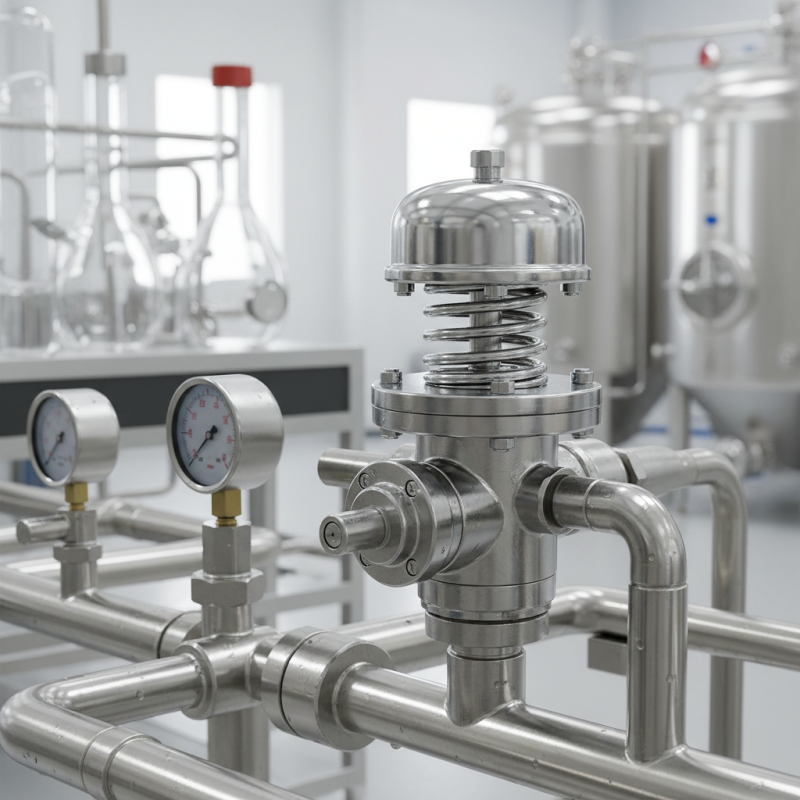
Understanding the Basics of Pressure Reducing Regulators
Pressure reducing regulators are essential components in many industries. They control the flow of gases or liquids by reducing pressure. Understanding how they work is crucial for ensuring safety and efficiency. According to industry reports, improperly regulated pressures can lead to accidents and equipment failures.
When selecting a regulator, consider the medium you'll use. Gases and liquids require different specifications. Each application may also have unique pressure needs. The typical operating pressure can vary widely, from a few psi to several hundred psi. Thus, matching the regulator’s specifications with your operational needs is vital.
Tips: Choose regulators that offer adjustable pressure settings. This feature allows more flexibility in various applications. Ensure that the regulator can handle the maximum flow rates needed for your system. Regular maintenance checks are necessary to identify any wear or potential failure points.
Don’t overlook the environment where the regulator operates. Temperature extremes can affect performance. Inconsistent pressure levels can be a sign of issues that need addressing. Always assess the compatibility of materials used in your system. Failing to do so can lead to unnecessary costs and downtime.
Identifying Your Specific Pressure Requirements
Choosing the right pressure reducing regulator starts with understanding your specific pressure needs. Different applications have distinct requirements. For example, a report by the International Society of Automation states that many industrial operations require pressure stabilization within ±5% of the set point. Such precision is crucial for maintaining system efficiency.
Knowing the maximum and minimum pressure limits is essential. High fluctuations can damage equipment. According to research from the American Society of Mechanical Engineers, maintaining pressure control prevents costly downtime. Always consider the specific conditions under which the regulator will operate.
Tip: Consider your medium's characteristics. Liquids and gases behave differently under pressure. If you're working with viscous fluids, select a regulator designed for them.
It’s vital to not rush the selection process. An impulsive decision could lead to over-specification or under-specification of your regulator. A poorly chosen regulator can result in performance issues. Evaluate your system's needs thoroughly. Collect data and analyze performance trends before making a decision.
Tip: Consult with industry experts when in doubt. They can provide valuable insights based on real-world scenarios and data.
Evaluating Different Types of Pressure Reducing Regulators
When evaluating different types of pressure reducing regulators, it’s essential to consider several key factors. Each regulator type serves a specific purpose. Some adjust pressure smoothly, while others have more abrupt responses. This can impact the system's efficiency significantly.
For instance, spring-loaded regulators are common and offer reliability. However, they may not perform well under varying flow rates. Alternatively, pneumatic regulators provide better flow control but can be more complex. Users should weigh the benefits against their specific applications.
It's also crucial to assess the materials used in the regulator. Corrosion resistance can extend the lifespan of the equipment. However, not all materials suit every environment. Users might find themselves needing a compromise between durability and cost. Considering feedback from other users can help, but relying solely on reviews can lead to oversights.
Pressure Reducing Regulators Comparison
Assessing Compatibility with Existing Systems and Equipment
Choosing the right pressure reducing regulator is crucial. Compatibility with existing systems can save time and money. Begin by assessing the specifications of your current equipment. Ensure that the inlet and outlet pressure ratings match. This verification helps prevent potential operational failures.
Consider the materials used in your current setup. They should complement the new regulator. For example, if your system involves corrosive materials, opt for compatible materials, like stainless steel. Less durable options can lead to leaks or failures. It's a common oversight to skip this step, leading to costly replacements down the line.
Take into account the flow rate of your existing systems as well. A miscalculation could result in insufficient pressure or excessive pressure drops. Testing the proposed setup under real-world conditions can reveal unforeseen issues. Sometimes, even minor adjustments can lead to significant improvements. Regular evaluations post-installation are crucial to ensure ongoing compatibility and performance.
Considering Maintenance and Longevity of Regulators
When selecting pressure reducing regulators, maintenance and longevity are key factors to consider. Longevity impacts both performance and cost-effectiveness. According to industry reports, regular maintenance can extend the life of regulators by as much as 25%. Cleaning and checking for wear are simple practices that help maintain efficiency.
Additionally, the environment in which the regulator operates plays a significant role. Corrosive atmospheres can shorten regulator lifespan. Studies show that materials designed to resist corrosion significantly reduce failure rates. For instance, stainless steel components are often preferred in harsh environments. However, these materials can be more expensive.
Regular inspection yields insights into potential issues. Many users overlook minor leaks or performance drops until they escalate. A 2022 study indicated that proactive maintenance could save up to 30% on replacement costs. Users should remember that neglect leads to unnecessary expenses and risks operational integrity. End users must reflect on their unique contexts to make informed choices that balance durability with cost.
