How to Choose the Right Single to Three Phase Converter?
Choosing the right single to three phase converter is crucial for efficient machinery operation. According to a recent report by the International Energy Agency, 30% of industrial energy consumption is linked to electrical systems. Understanding the specific needs of equipment can minimize energy waste and enhance performance.
Not all converters are created equal. Some models struggle with overload, while others provide inconsistent output. A study from the Electric Power Research Institute highlighted that selecting a quality converter can improve performance by as much as 20%. This illustrates the importance of careful selection in enhancing productivity and reducing cost.
In this rapidly evolving field, many users find themselves overwhelmed by options. There is a tendency to overlook the essential specifications of converters. Common mistakes include insufficient voltage ratings and neglecting phase balancing. This can lead to operational disruptions and increased maintenance costs. Evaluating these factors is key to making an informed decision.
Understanding the Basics of Single to Three Phase Conversion Technology
Understanding the basics of single to three-phase conversion technology is essential for many industrial applications. The need for three-phase power comes from its efficiency and performance benefits. Approximately 80% of industrial machinery operates on three-phase power. However, many facilities, especially in older buildings, still use single-phase systems.
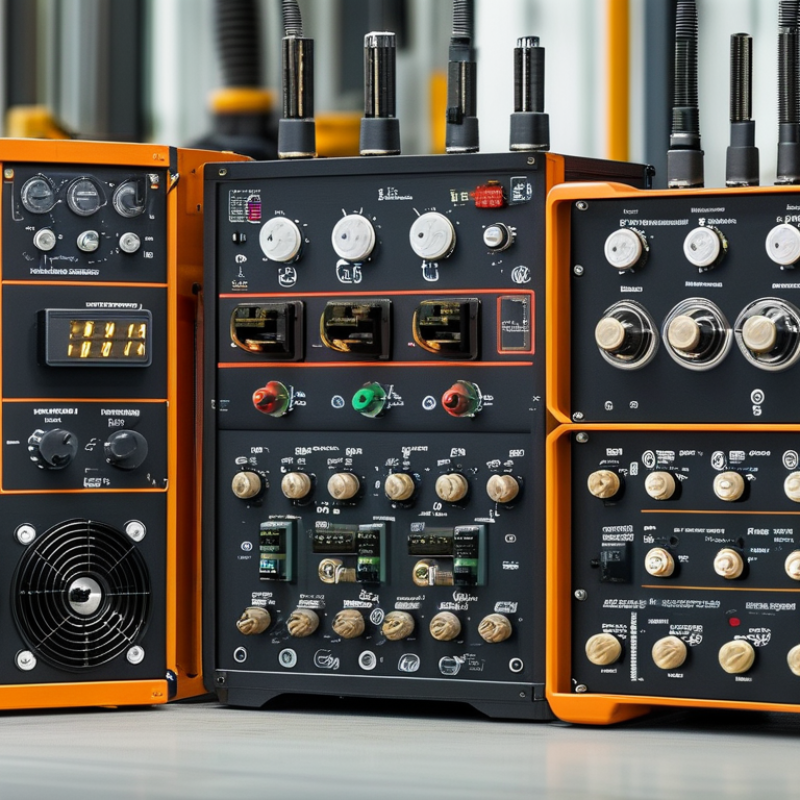
The conversion process involves using a phase converter. These devices mimic three phases from a single-phase supply. There are various types: rotary, static, and digital converters. According to data from the Electrical Engineering Institute, rotary converters often provide the best performance for large machines. They can handle loads exceeding 50 horsepower.
Yet, not all converters are created equal. The choice of converter can significantly impact operational efficiency. Studies have shown that improper selection can result in up to 30% energy loss and increased downtime. Users must evaluate their needs carefully. Factors like load characteristics, power quality, and equipment compatibility are critical. Conducting thorough research and consulting with experts can lead to better decisions.
How to Choose the Right Single to Three Phase Converter? - Understanding the Basics of Single to Three Phase Conversion Technology
| Criteria |
Single Phase Converter |
Three Phase Converter |
| Power Output |
Up to 5 HP |
5 HP and above |
| Efficiency |
80% - 90% |
90% - 95% |
| Cost |
Lower initial cost |
Higher initial investment |
| Application |
Small appliances, tools |
Industrial machinery |
| Installation |
Easier installation |
Requires skilled installation |
| Output Quality |
Moderate |
High |
Key Factors in Selecting the Right Phase Converter for Your Needs
Selecting the right phase converter is crucial for efficient machinery operation. Understanding key factors can guide you in making an informed decision. One important component is load capacity. It's essential to select a converter that matches your equipment’s horsepower needs. The National Electrical Manufacturers Association indicates that a phase converter should accommodate at least 25% more than the equipment's horsepower to prevent overload.
Another factor is electrical efficiency. According to a study by the Electric Power Research Institute, poorly matched phase converters can lead to energy losses of up to 30%. This inefficiency affects your operational costs over time. When considering location, both the physical and environmental aspects matter. A converter should be installed in a dry, clean space to prolong its lifespan and maintain performance.
Price does not always equal quality. Some may be tempted to choose cheaper options, but this can lead to premature failure. The U.S. Department of Energy notes that investing in a higher-quality converter can improve energy savings and reduce maintenance costs. Carefully evaluating these factors can save you money and improve reliability in the long run.
Assessing Load Requirements for Optimal Converter Performance
When selecting a single to three-phase converter, understanding your load requirements is critical. Different equipment has varying power needs. Identifying these requirements helps ensure your converter operates efficiently. Consider the total wattage of all devices. Add a safety margin for unexpected surges. This analysis prevents potential damage from overloads.
Tips: Always check the starting power of motors. They often require more power during startup than running. This can impact your converter choice. Calculate both running and starting wattage for accuracy. Also, evaluate the type of load: resistive, inductive, or capacitive loads may behave differently and require specific solutions.
Monitoring your power consumption regularly can reveal changing needs. If your equipment changes, reassess your converter's capacity. Remember, underestimating power needs can lead to equipment failure. On the flip side, overestimating may lead to unnecessary costs. The balance is intricate but essential for the smooth operation of your systems.
Evaluating Efficiency Ratings and Operational Costs of Phase Converters
When selecting a single to three-phase converter, efficiency ratings are crucial. These ratings indicate how well a converter transforms power while reducing energy loss. A high-efficiency converter can significantly lower your operational costs. Pay attention to the percentage of energy conversion; higher ratings often lead to lower electricity bills.
Operating costs also include maintenance. A well-built converter may have higher upfront costs. However, long-term savings from fewer repairs and reduced energy usage can make it worthwhile. Consider the environment as well. Inefficient converters can increase your carbon footprint. The right choice promotes sustainability.
Not all converters perform equally under different load conditions. Some may struggle with heavy loads or fluctuating demand, leading to inefficiencies. Research user experiences to assess real-world performance. Seek professional advice to ensure that you’re making an informed decision. The right converter balances efficiency, operational costs, and reliability for your specific needs.
Efficiency Ratings and Operational Costs of Phase Converters
Identifying Common Applications and Their Phase Converter Requirements
Choosing the right single to three-phase converter involves an understanding of various applications and their specific needs. Many industries adopt three-phase power for its efficiency and reliability.
Common applications include HVAC systems, industrial machinery, and agricultural equipment. Each of these sectors has unique power demands that dictate the type of phase converter needed.
HVAC systems typically require converters that can handle varying load conditions. Studies suggest a surge capacity of 150% is ideal for start-up demands. Industrial machinery often relies on rotary converters for continuous operation. They can provide stable power, necessary for consistent performance. In agriculture, phase converters are crucial for operating pumps and irrigation systems. Each type of application emphasizes the need for a specialized approach.
It's important to acknowledge that not all converters are created equal. Factors such as power quality and efficiency ratings vary significantly. In some cases, users report compatibility issues. These discrepancies remind us of the importance of thorough research before purchasing a converter. Understanding the specific needs of your application will lead to more reliable performance and longer equipment lifespan.