How to Choose the Right Stainless Hydraulic Tubing for Your Needs?
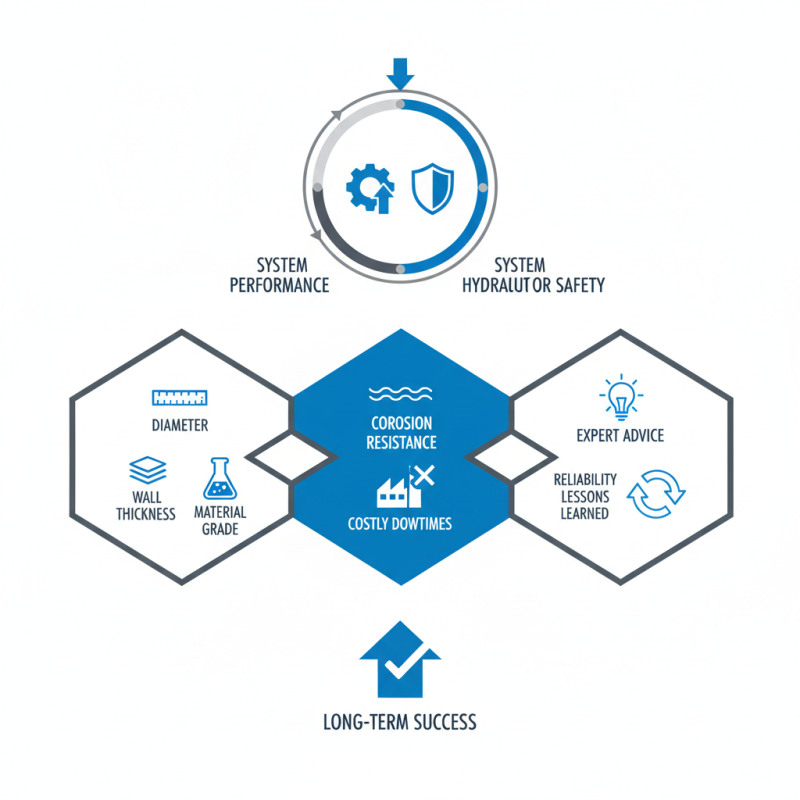
Choosing the right Stainless Hydraulic Tubing is crucial for various industrial applications. The tubing you select directly impacts system performance and safety. With many options available, it can be overwhelming.
Understanding your specific needs is essential. Factors such as diameter, wall thickness, and material grade must be considered. For example, corrosion resistance plays a significant role when exposed to harsh environments. A failure in the tubing can lead to costly downtimes.
Seeking expert advice can help clarify your choices. However, reflections on previous selections could reveal lessons learned. Mistakes in diameter or material choice might result in inefficient systems. Emphasizing reliability in your selection process is vital for long-term success.
Understanding Stainless Steel Grades and Their Properties for Tubing
When selecting stainless hydraulic tubing, understanding stainless steel grades is crucial. Different grades offer various properties, such as corrosion resistance and strength. Common grades include 304 and 316. Grade 304 provides good corrosion resistance but may not perform well in highly acidic environments. On the other hand, grade 316 excels in corrosive settings, making it ideal for marine applications.
Tips: Consider your environment. If you're working in a chemical plant, choose a grade with superior resistance to corrosion. Identify the pressures your tubing will face. Higher pressure ratings require stronger materials.
Choosing the right grade requires expertise. Consult with professionals if unsure. They can help clarify which grade fits your needs. Remember, using the wrong grade can lead to failures and costly repairs. Reflect on your long-term use cases. Are you considering future expansions? It’s better to invest in a higher grade now than deal with problems later.
Stainless Steel Grades Comparison for Hydraulic Tubing
This chart compares the key properties of different grades of stainless steel commonly used in hydraulic tubing applications. The performance characteristics include tensile strength, corrosion resistance, and drawability, which are crucial for selecting the appropriate grade for specific hydraulic needs.
Key Factors Influencing the Selection of Hydraulic Tubing Size
When selecting hydraulic tubing, size is a crucial factor. The diameter must match the application. Too small a diameter leads to pressure drops. This can hurt performance and efficiency. According to industry reports, about 30% of pressure loss occurs due to improperly sized tubing. Understanding flow rates is vital. A larger diameter allows for higher flow but requires more space.
Material also plays a role. Stainless steel offers corrosion resistance, vital in harsh environments. Reports suggest that using high-quality stainless steel can increase the lifespan of hydraulic systems by 50%. However, this comes at a cost. Balancing budget and requirements is necessary. Sometimes, cheaper alternatives might compromise safety.
Length is another consideration. Longer tubes can increase installation complexity. Strain might occur at bends or fittings. According to experts, each bend adds around 5% to the total length of the system. This needs evaluating, as it can lead to unexpected pressure drops. Striking the right balance in these factors can ensure optimal performance in hydraulic applications.
Evaluating Pressure Ratings and Temperature Resistance in Tubes
When selecting stainless hydraulic tubing, evaluating pressure ratings and temperature resistance is crucial. Tubing must be able to withstand the specific pressures of your system. A higher pressure rating generally ensures greater durability and safety. However, overestimating needs can lead to increased costs without significant benefits. Calculate the highest pressure your system will encounter.
Temperature resistance is another critical factor. Different stainless steel alloys offer varying temperature tolerances. High temperatures can lead to material weakening, while low temperatures may cause brittleness. Match the tube’s temperature rating with the application's operational conditions. Regular testing is vital to ensure the tubing maintains its properties under expected thermal and pressure stress.
**Tips:** Always consult with technical specifications before making a purchase. Don’t hesitate to ask for expert advice. Conduct routine inspections of your tubing, focusing on signs of wear that could affect performance. Each application has unique demands, so find a balance between cost, durability, and functionality.
Corrosion Resistance: Choosing Tubing for Specific Environments
When selecting stainless hydraulic tubing, corrosion resistance is crucial, especially in specific environments. Different environments expose tubing to various corrosion risks. For instance, marine settings bring saltwater exposure, while industrial applications may involve chemicals. Thus, understanding these environments is essential.
Consider the environment where the tubing will be used. Assess factors like humidity, temperature, and chemical exposure. Tubing made from types 304 and 316 stainless steel are common choices. Type 316 offers better resistance to chlorides. Sometimes, though, even these choices may not be sufficient. Maintenance often becomes necessary to prolong tubing life.
Reflection on real applications shows that improper selection leads to failures. Investing time in research pays off. You might find unexpected challenges in your environment. It’s vital to consult with experts who understand your specific needs. Gathering insights can prevent costly mistakes down the line.
The Role of Surface Finish in Hydraulic Tubing Performance
The surface finish of stainless hydraulic tubing plays a crucial role in overall performance. A smooth surface finish can significantly reduce friction and enhance flow rates. According to industry reports, approximately 70% of hydraulic failures are linked to surface issues. A rough surface can trap contaminants, increasing wear and tear on the system.
Different applications may require varying surface finishes. For instance, tubing used in high-pressure systems often benefits from a mirror finish. This type minimizes impurities, ensuring reliable performance over time. Conversely, in less demanding applications, a standard finish might suffice. However, engineers must evaluate the trade-offs. A smoother surface can be more challenging to achieve, and this can increase costs.
Unexpected issues may arise from selecting the wrong surface finish. Some users find that while a smoother surface reduces friction, it can also lead to galling under certain conditions. This phenomenon can cause significant damage, resulting in costly downtime. Thorough testing and consideration of specific operational environments are essential for selecting the right finish in hydraulic systems.