What Is the Best Rotary Converter in 2026?
What Is the Best Rotary Converter in 2026? The answer depends on the equipment it must run, not just its advertised horsepower. A rotary converter can supply three-phase power from a single-phase source, but its performance depends on correct sizing and setup. A machine that starts smoothly under light load may behave differently when a compressor or table saw kicks on. Those details matter.
This guide explains how to compare rotary converters by capacity, starting performance, voltage compatibility, build quality, and manufacturer support. It also considers practical details, such as available shop space, ventilation, noise, and whether the converter can handle more than one machine. Check the equipment nameplates and product documentation before choosing; rated horsepower alone may not tell the whole story. A qualified electrician can verify that the planned installation suits your supply and equipment.
No single model is best for every workshop. A compact unit may suit occasional use, while a larger setup could better serve several machines. Still, bigger is not automatically better. Costs, idle consumption, and installation needs deserve attention too. Product specifications can change, and marketing claims do not replace verified ratings. The comparisons ahead aim to make those trade-offs clearer, while recognizing that real-world performance can vary with the motor, load, and installation. Some decisions remain judgment calls. That is worth admitting.
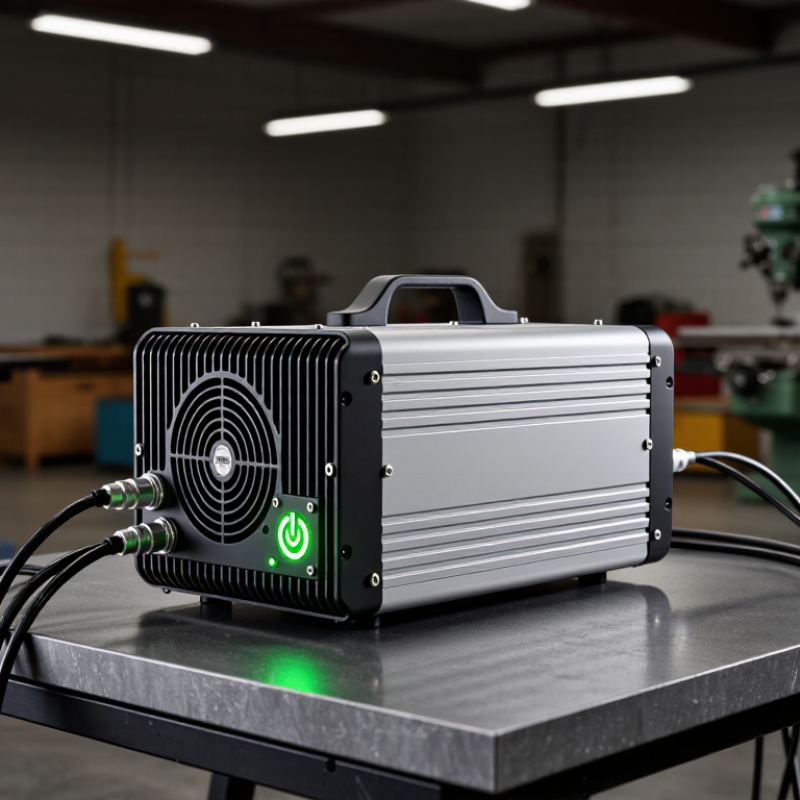
Rotary Phase Converters Explained: Three-Phase Power at 60 Hz
What Is the Best Rotary Converter in 2026?
Rotary Phase Converters Explained: Three-Phase Power at 60 Hz
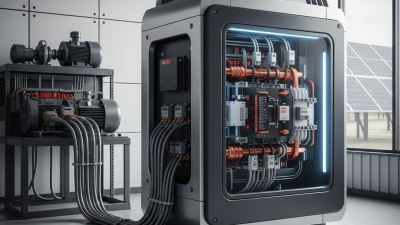
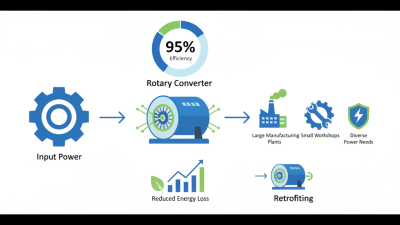
A rotary phase converter lets a single-phase supply run three-phase equipment.
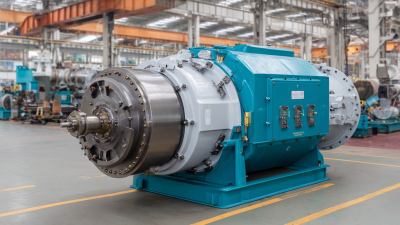
Inside, an idler motor spins and helps produce a third output leg. The goal is usable three-phase power at the supply’s 60 Hz frequency, not a new frequency. Think of a workshop compressor starting while lights stay steady. That depends on correct sizing, wiring, and load balance. Details matter.
The U.S. Department of Energy’s 2014 Improving Motor and Drive System Performance sourcebook reports that motor systems use about 54% of electricity in U.S. manufacturing. That figure helps explain why matching a converter to its motor load matters.
Check motor horsepower, starting current, and the combined load before choosing capacity. A machine with a heavy start may need more converter capacity than its running rating suggests. Still, a rotary converter is not magic. Output voltage can vary between legs, especially with uneven loads. I would verify voltage under real operating conditions, then check the machine’s specifications. That extra test is easy to overlook.
Sizing a Converter: Match Motor HP and Allow 1.5–2× Starting Capacity
Choosing the best rotary converter in 2026 starts with the motor’s nameplate, not the machine’s advertised horsepower. A 5 HP motor may run steadily yet demand much more power for a moment at startup. As an initial rule, target a converter rated for 1.5–2 times the largest motor’s horsepower. For a 5 HP motor, that suggests a 7.5–10 HP converter. Check the converter’s starting and continuous ratings; they are not interchangeable. That rule is useful, not magic.
The reason is visible in NEMA MG 1, an industry motor standard. Its locked-rotor code letters express starting demand in kVA per horsepower; codes F through M span 5.0–11.19 kVA/hp. Actual demand depends on the motor and load, so this range is a warning against sizing by running horsepower alone. A compressor starting under pressure or a loaded saw can be harder to start than an unloaded fan. Not always. Record nameplate voltage, full-load amps, and starting method, then compare them with the converter’s published limits. If several motors run together, account for the other loads while the largest motor starts. A little extra capacity can prevent stalled starts, but oversizing is not automatically better; it may add cost without solving a weak supply or poor wiring. Recheck the actual setup, because my first estimate can be wrong.
Comparing 230 V and 460 V Models by Amps, Load, and Phase Balance
Choosing the best rotary converter in 2026 starts with the machine’s nameplate, not a headline amp rating. Check voltage, full-load amps, motor horsepower, and starting demands. At the same power, a 460 V motor generally draws about half the current of a 230 V motor. That does not make every 460 V converter the better choice. Your supply, wiring, and equipment must support that voltage.
Compare converter ratings against the largest motor you expect to start and the loads that will run together. A saw starting under load can demand much more briefly than its running amps suggest. Some manufacturers specify separate ratings for running and starting; read both. A converter sized only for steady-state current may struggle, especially with several machines cycling on and off. That matters.
Phase balance deserves equal attention. Uneven voltage across the three output legs can cause excess motor heat, reduced performance, or nuisance trips. Ask how balance is specified and under what load conditions it was measured. A tidy specification sheet can still leave questions. I would not assume balance stays identical as loads change; real workshops rarely run one perfectly steady motor. Compare 230 V and 460 V models using actual equipment data, then have a qualified electrician verify the installation and protection settings. A little extra sizing may help, but oversized equipment is not automatically the right answer.
What Is the Best Rotary Converter in 2026? - Comparing 230 V and 460 V Models by Amps, Load, and Phase Balance
The figures below compare theoretical three-phase output capacity at selected line currents. They are calculated values, not ratings for a particular rotary phase converter. Actual suitability depends on the converter’s specifications, motor starting requirements, duty cycle, and connected load.
Apparent power is calculated as √3 × line voltage × line current ÷ 1,000. Values are rounded.
| Nominal output voltage |
Three-phase output current |
Calculated apparent capacity |
Load comparison |
Phase-balance consideration |
| 230 V |
10 A |
3.98 kVA |
Lower apparent load within this comparison |
Measure all three output line-to-line voltages under load; balance is not determined by current alone. |
| 230 V |
20 A |
7.97 kVA |
About twice the apparent capacity of 10 A at 230 V |
Check balance with the intended machine operating; voltage may change as load changes. |
| 230 V |
40 A |
15.93 kVA |
About four times the apparent capacity of 10 A at 230 V |
Confirm the converter’s continuous and starting-load limits, then verify balance at representative load. |
| 460 V |
10 A |
7.97 kVA |
About twice the apparent capacity of 10 A at 230 V |
Balance must be checked at the 460 V output under the actual operating load. |
| 460 V |
20 A |
15.93 kVA |
About twice the apparent capacity of 10 A at 460 V |
Use the converter’s specified balance limits and test with the connected motor running. |
| 460 V |
40 A |
31.87 kVA |
About four times the apparent capacity of 10 A at 460 V |
Verify converter, wiring, protection, and machine ratings; do not infer balance from the kVA figure. |
Selection notes
- Choose an output voltage that matches the motor and equipment nameplates. A 460 V load requires a converter and electrical system rated for that voltage.
- Amperage and kVA describe electrical capacity; they do not, by themselves, establish a safe motor horsepower rating. Power factor, efficiency, starting current, and the converter’s own limits matter.
- For multiple motors, account for the largest motor’s starting demand as well as the other loads that may run at the same time.
- Phase balance is installation- and load-dependent. Follow the converter’s instructions and have a qualified electrician measure output voltages under representative operating conditions.
Applying NEMA MG 1: Keep Motor-Terminal Voltage Unbalance at or Below 1%
What Is the Best Rotary Converter in 2026?
A good rotary converter should keep voltage unbalance at the motor terminals at or below 1%, in line with NEMA MG 1 guidance. That limit matters because unbalanced voltage can create greater current unbalance and extra motor heating. Small differences matter. Check voltage where the motor connects, not only at the converter’s output. Take all three line-to-line readings while the motor is running under a representative load. An unloaded reading can look reassuring, then shift when equipment starts.
Calculate unbalance by subtracting the average of the three readings from the reading furthest from that average, then dividing by the average and multiplying by 100. For readings of 230, 228, and 232 volts, the average is 230 volts. The greatest deviation is 2 volts, or about 0.87%. That passes the 1% target, but it leaves little margin for changing loads or wiring conditions. Under load. Recheck after other machines cycle on, and record the readings at different operating conditions. A converter’s advertised capacity alone cannot confirm balanced voltage at your motor. A steady meter reading is useful, but one snapshot is not the whole story.
Selecting the Best 2026 Converter for Duty Cycle, Load Mix, and Protection
Choosing the best rotary converter in 2026 starts with the work pattern, not a headline horsepower figure. A machine that runs a steady load differs from one that starts and stops all day. Check each motor’s nameplate, starting current, and expected run time. Check the plate. A brief startup surge can demand more capacity than normal operation, especially when several machines start together.
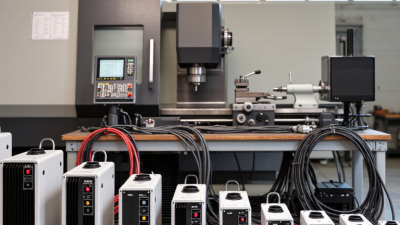
Match the converter to the load mix. A table saw and a compressor may have similar rated power but very different starting behavior. List which equipment may operate at the same time, then size for that combined demand. For frequent starts or long operating periods, ask the supplier or a qualified electrician to verify the converter’s duty rating and sizing assumptions. I would not size from horsepower alone; that shortcut can look tidy and still disappoint.
Protection deserves equal attention. Look for suitable overload protection and a clear plan for short circuits and phase-related faults. Confirm that the converter’s output works with the machine’s controls, and measure voltage under load during commissioning. No-load readings can hide imbalance. Keep wiring, disconnects, and protective devices matched to the installation. Real conditions vary; even a careful estimate may need adjustment after the first week of use.
What Is the Best Rotary Converter in 2026?
Compare duty cycle and load mix to identify the right selection priorities for your application.
These representative planning scenarios are illustrative, not product ratings or universal sizing rules. Before selecting a converter, verify actual motor horsepower, starting method, simultaneous loads, required duty rating, and protection needs such as overload and phase-loss protection.