How to Choose the Best Single Phase to 3 Phase Converter?

Choosing the right single phase to 3 phase converter can be daunting. With so many options, it's easy to feel overwhelmed. These converters play a crucial role in powering three-phase equipment from a single-phase supply. They are essential for businesses that rely on motors or heavy machinery.

Understanding your specific needs is vital. Consider the power requirements of your equipment. A converter must meet these to function effectively. Efficiency, reliability, and compatibility are also key factors. Not all converters are created equal. Some may fall short, exposing users to risks or inefficiencies.

Reflect on your experience with electrical systems. Have you faced challenges before? Learning from these can guide your choice. Research reputable brands and read reviews. Seek expert advice if unsure. Remember, investing time in choosing the right single phase to 3 phase converter can lead to long-term benefits and avoid costly mistakes.

How to Choose the Best Single Phase to 3 Phase Converter?

Understanding the Basics of Single Phase and Three Phase Power Systems

When choosing between single-phase and three-phase power systems, it’s essential to recognize their key differences. Single-phase systems are commonly used in residential settings. They deliver power through two wires and are suitable for smaller appliances like lights and fans. However, they have limitations. High-demand equipment often requires more power than a single-phase system can provide.

Three-phase systems, on the other hand, are used in commercial and industrial settings. They consist of three wires and provide a constant power flow. This setup allows for more efficient energy use, ideal for heavier machinery. Additionally, three-phase power systems can handle larger loads without requiring larger wires.

Understanding these fundamentals will help in your selection process. Assess the power needs of your equipment versus your existing system. Be mindful that converting single-phase to three-phase can be complex. Not every converter will meet your specific requirements. So, take the time to investigate your options and consult with experts when necessary.

How to Choose the Best Single Phase to 3 Phase Converter?

Feature Single Phase Converter Three Phase Converter
Power Output Up to 10 HP 10 HP and above
Efficiency 85% - 90% 90% - 95%
Cost $200 - $800 $800 - $2500
Best Use Case Small workshops and home applications Industrial machinery and large equipment
Installation Complexity Easy to install Moderate to complex installation
Weight 10 - 50 lbs 50 - 200 lbs

Key Factors to Consider When Choosing a Converter

Choosing a single phase to 3 phase converter involves careful consideration of several key factors. One important aspect is the power requirements of your equipment. Calculate the total wattage needed for your machinery. This will help ensure that the converter can handle the load effectively. Oversized converters can lead to inefficiencies, while undersized options may cause equipment damage.

Another factor is the starting method. Your equipment type influences the kind of starting methods needed. Direct on-line starting is simple but may be insufficient for electric motors with high starting currents. A soft starter may be necessary to protect your tools. Consider also the environment where the converter will operate. Dusty, humid, or extreme temperature conditions can affect performance.

Reliability is crucial. Look for converters that have a good track record. Some converters may claim high efficiency but fail under real-world conditions. A model with robust customer reviews can be a good indication of performance. Ultimately, a thoughtful choice can enhance your operations. Ensure to evaluate your needs comprehensively before deciding.

Types of Single Phase to Three Phase Converters Available

When selecting a converter, it's essential to understand the types available. Single phase to three phase converters mainly include rotary converters, static converters, and variable frequency drives (VFDs). Each type has its strengths and weaknesses.

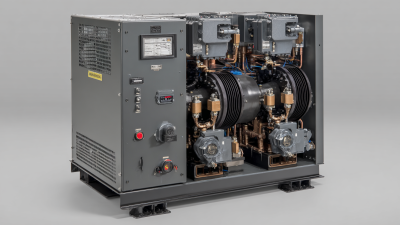
Rotary converters are often preferred for their ability to handle high loads. They use a rotating machine to convert power, providing high efficiency. However, they can be bulky and require more maintenance. Static converters, on the other hand, are compact and easy to install. They convert power without moving parts, but they may not support heavy-duty applications as effectively. VFDs add versatility by adjusting motor speed. Yet, they can be complex to set up and may require specific knowledge for optimal use.

Factors such as load type, required efficiency, and available space must be considered. Misjudging the needs can lead to performance issues. Evaluating the pros and cons of each type enables better decision-making. Ultimately, it's about balancing power requirements with ease of use. Each choice reveals a unique set of challenges, making it crucial to ponder thoroughly before finalizing a selection.

Types of Single Phase to Three Phase Converters

Analyzing the Power Requirements for Your Application

Choosing the right single phase to 3 phase converter requires a deep understanding of your power needs. Begin by analyzing the total power requirements of your application. Most industrial equipment typically operates between 208V to 480V. Data shows that a standard three-phase motor requires more power for efficient operation than a single-phase motor. According to industry statistics, properly selected converters can enhance performance by up to 30%.

It’s also crucial to consider the starting current. Starting a three-phase motor can create a significant surge in demand. The inrush current can peak at six times the normal running current. Understanding the kilowatt demand can prevent unexpected downtime. Evaluate the surge requirements in your calculations to ensure smooth operation. Additionally, check the load type – resistive, inductive, or capacitive. Each load type affects how power is converted and utilized.

Evaluate efficiency ratings as well. Not all converters offer the same level of efficiency. A high-efficiency converter can yield significant energy savings over time. Achieving optimal power management is essential. If you underestimate your application’s requirements, the outcome can be costly. Therefore, take the time to assess these variables carefully. Adjusting for the specifics of your application can lead to better performance and longevity of your equipment.

Comparing Costs and Benefits of Different Converter Models

How to Choose the Best Single Phase to 3 Phase Converter?

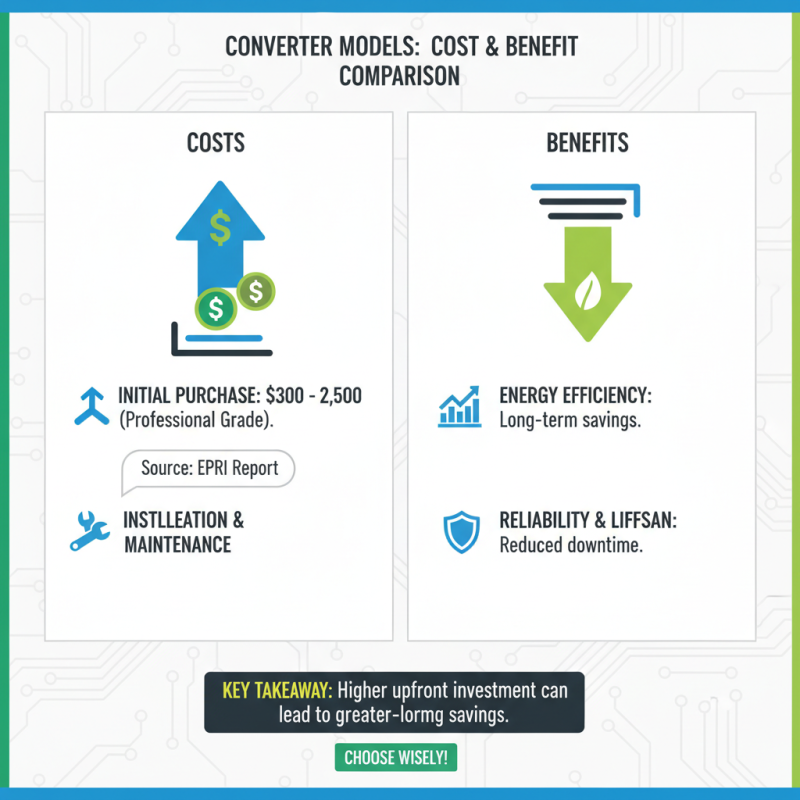
When choosing a single phase to three phase converter, comparing costs and benefits is crucial. Various models offer different features at varying price points. For example, a recent report from the Electric Power Research Institute noted that professional-grade converters can range from $300 to $2,500. The initial cost is important, but so is long-term efficiency. Higher upfront costs may lead to better energy savings.

Consider operational costs as well. Some converters have higher energy consumption. Regular maintenance can mitigate these extra expenses. According to industry data, converters that require minimal maintenance can save users up to 20% annually. This savings can offset higher initial investments over time.

**Tips:** Look for efficiency ratings. A model with an Energy Star label can save more energy. Compare warranty options, too. A longer warranty often indicates better reliability. Assessing these factors allows for a more informed decision, ensuring that the chosen converter meets both present and future needs. Balancing cost with performance is key, but remember, not all high-priced models guarantee excellent service.