How to Choose the Right Hz Converter for Your Needs?

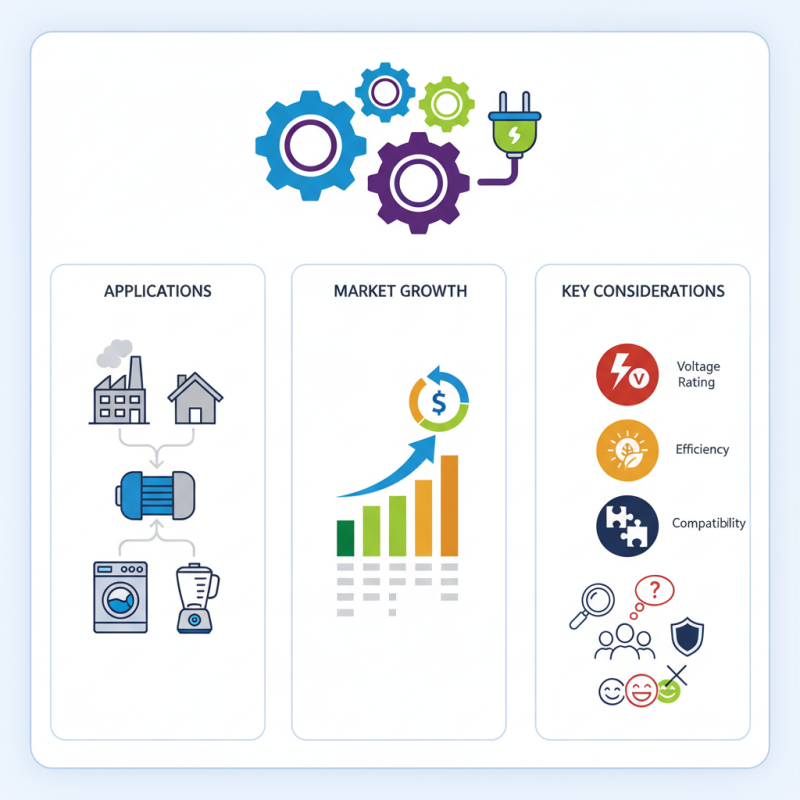
Choosing the right Hz converter is crucial for various applications, ranging from industrial machinery to household appliances. According to a recent report by Grand View Research, the global power converter market is expected to reach $9.5 billion by 2028. This growth reflects the increasing need for efficient energy solutions across sectors. A properly selected Hz converter can enhance performance and reduce energy costs, making it a worthwhile investment.

When selecting a Hz converter, consideration of specifications is essential. Factors such as voltage rating, efficiency, and compatibility with existing systems should be examined. Inadequate choices can lead to equipment malfunction or inefficiency. Research indicates that nearly 30% of businesses report issues with power converters due to improper selection. This statistic emphasizes the importance of thorough evaluation before making a decision.

Consulting with industry experts can provide valuable insights on the latest technologies and trends. User reviews and case studies can offer real-world perspectives on performance. Nevertheless, be cautious of overly positive feedback, as biases can affect opinions. Overall, ensuring the right Hz converter aligns with your specific needs can mitigate risks and maximize performance.
How to Choose the Right Hz Converter for Your Needs?

Understanding Different Types of Hz Converters and Their Applications

When selecting a Hz converter, understanding the different types is crucial. There are basic converters that change frequency from 50Hz to 60Hz and vice versa. These models often have simple circuitry and are ideal for basic applications. They’re used in small appliances and simple tools, where precision is not critical.

For more complex needs, variable frequency drives (VFDs) offer advanced functionality. They control motor speed and torque by varying the frequency and voltage supplied to the electric motor. This is beneficial for larger industrial machines. VFDs can enhance energy efficiency and extend equipment lifespan, but they require careful setup.

Not every application fits perfectly with a specific converter type. It's important to consider the power requirements and the load characteristics. Evaluating these details may lead to challenges. For instance, overloading a converter can damage it. Consulting with experts can provide clarity in these cases. Making informed choices will yield the best results.

How to Choose the Right Hz Converter for Your Needs?

Type of Hz Converter Voltage Input Output Frequency Typical Applications Efficiency Rating
Static Hz Converter Single-phase 120V 60 Hz Household Appliances 90%
Rotary Hz Converter Three-phase 400V 50 Hz to 60 Hz Industrial Equipment 85%
Digital Hz Converter Single-phase 230V Variable (20-60 Hz) Commercial Facilities 95%
Phase Converter Three-phase 480V 60 Hz Machinery and Tools 90%
Inverter Converter Single-phase 120V 60 Hz Renewable Energy Systems 92%

Key Factors to Consider When Selecting a Hz Converter for Your Equipment

How to Choose the Right Hz Converter for Your Needs?

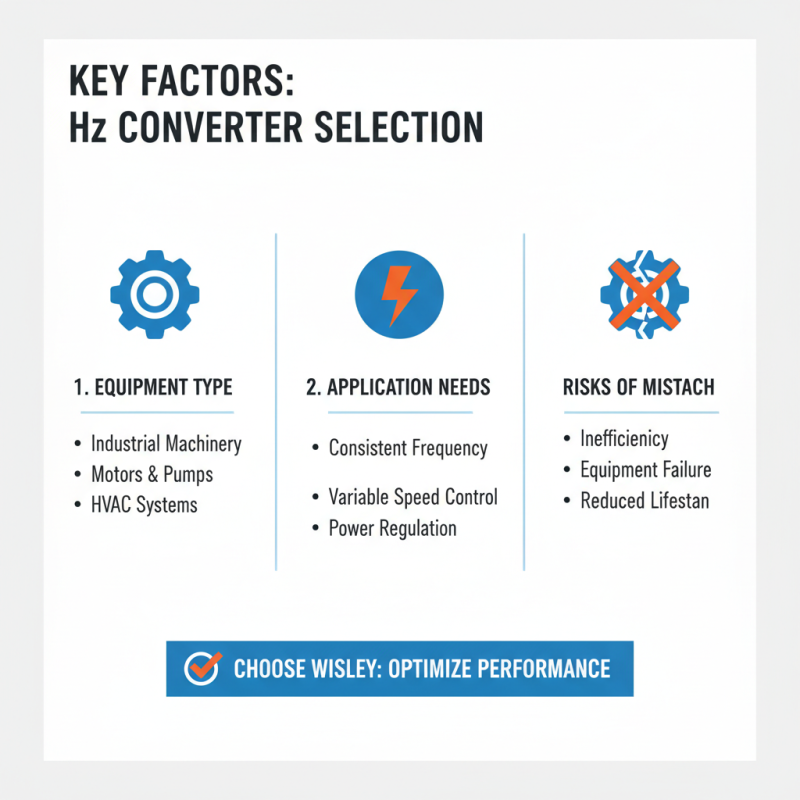
When selecting a Hz converter, it’s essential to consider the application and equipment involved. Your choice should reflect the type of machinery you are using. For example, industrial reports indicate that varying equipment often requires different frequencies. Mismatched converters can lead to inefficiencies and even equipment failures.

Voltage requirements also play a significant role. Ensure the converter matches the voltage specifications of your equipment. Data shows that about 30% of operational issues stem from this mismatch. Regularly reviewing operational ratings can help prevent costly downtime. Load capacity is another critical factor. Too low a capacity can cause overheating, while too high might waste energy.

Lastly, evaluate the physical environment of the converter. It needs to withstand the conditions of your workspace. Moisture and dust can impact performance. In a survey of technical managers, nearly 40% reported that environmental factors were not adequately considered when selecting converters. Always think about these aspects to ensure reliable performance and longevity of your equipment.

Evaluating Power Requirements: Wattage, Voltage, and Amperage Calculations

Choosing the right Hz converter starts with understanding the power requirements of your devices. Calculating wattage is crucial. Wattage, measured in watts (W), is a product of voltage and amperage. For instance, a device that operates at 110V and draws 5A has a wattage of 550W. This basic formula helps ensure you select a converter that can handle your equipment's needs.

Voltage compatibility must also be assessed. Many devices are designed to operate at specific voltage levels. If the converter does not match the required voltage, it may lead to malfunctions or damage. Understanding the voltage levels—like 110V or 220V—enables users to make informed decisions. Industry reports indicate that improper voltage can cause up to 30% of electrical device failures.

Amperage calculations should not be overlooked. This measures how much current a device draws. Selecting a converter with insufficient amperage can lead to overheating and potential hazards. An effective converter should provide at least 20% more amperage than needed. Many experts suggest double-checking these figures, as mistakes often lead to equipment failure. Thus, careful evaluation of wattage, voltage, and amperage is key to ensuring system reliability.

Comparing Efficiency Ratings and Performance Metrics of Hz Converters

When selecting a Hz converter, efficiency ratings greatly affect performance. These ratings indicate how well a device converts frequency. Understanding these can help you avoid unnecessary energy costs. A converter with a high efficiency rating will waste less energy as heat. Look for ratings that reflect real-world performance, not just theoretical values.

Performance metrics are equally essential. Factors like frequency range and load capacity can impact your choice. Examine how the converter performs under different loads. Some converters may underperform at high loads. It’s crucial to read user reviews and performance reports to gauge reliability. This insight can prevent disappointment in actual usage scenarios.

Additionally, consider the environment in which the converter will operate. Some units perform better in certain conditions, while others may struggle. Ensure your chosen Hz converter aligns well with your specific needs and usage. There is always a learning curve in finding the best fit. Being informed will lead to better decisions, even if the process involves some trial and error.

Cost Analysis: Budgeting for Your Hz Converter Investment and Maintenance

How to Choose the Right Hz Converter for Your Needs?

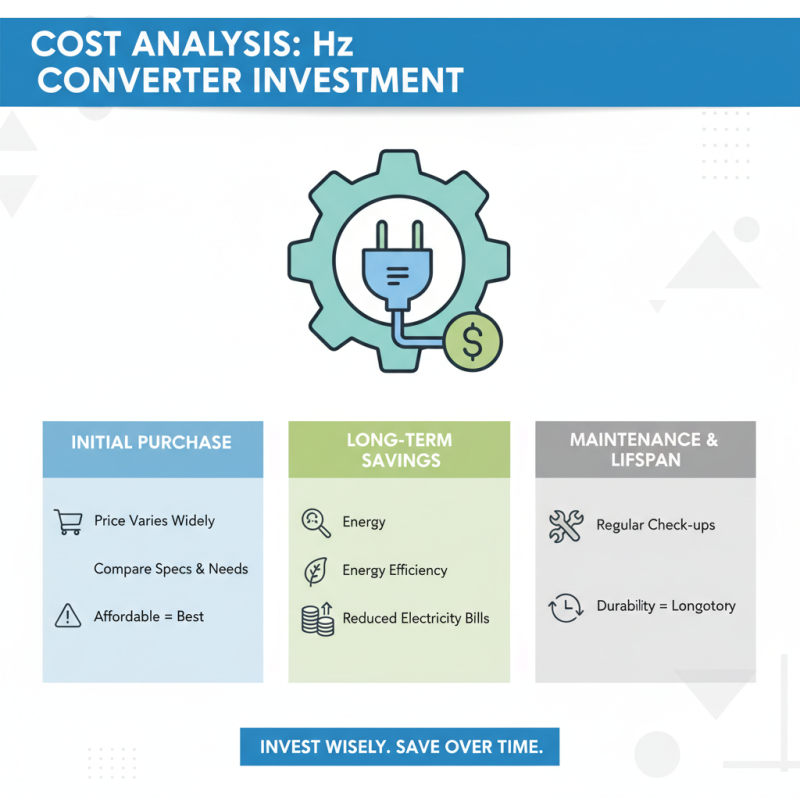
When considering a Hz converter, a thorough cost analysis is vital. Initial purchase prices vary widely. Ensure you compare specifications that match your specific needs. The most affordable option may not always be the best investment. Look for options that offer energy efficiency. These can save money on electricity bills over time.

Maintenance costs can add up quickly. Regular servicing is essential for optimal performance. This might mean hiring professionals or purchasing maintenance tools. Understand the long-term costs before making a decision. Budgeting for repairs or spare parts is equally critical. Plant downtime due to a faulty converter can lead to significant losses.

Consider the potential return on investment. A well-chosen Hz converter can enhance productivity. Research over time shows that reliable equipment reduces overall operational costs. However, if you overlook maintenance and proper usage, costs can skyrocket. Reflect on your long-term goals when planning your budget.