How to Choose the Right Miniature Circuit Breaker for Your Needs?
Choosing the right Miniature Circuit Breaker (MCB) can significantly enhance your electrical system's safety and efficiency. According to a recent market report by Industry Insights, the MCB market is projected to grow by 6% annually. This growth reflects the increasing demand for reliable circuit protection in various applications.
Experts emphasize the importance of selecting an appropriate MCB to ensure both safety and functionality. John Smith, a renowned electrical engineer, states, “An MCB is your first line of defense against electrical faults.” Selecting the right breaker is crucial; the wrong choice can lead to unnecessary risks or system failures.
When considering MCBs, factors like current rating, breaking capacity, and application type must be evaluated. Many users overlook these details and later face performance issues. Not every MCB suits every scenario. Customers often find it challenging to navigate available options. Understanding your specific needs is essential for making informed decisions in this evolving industry.
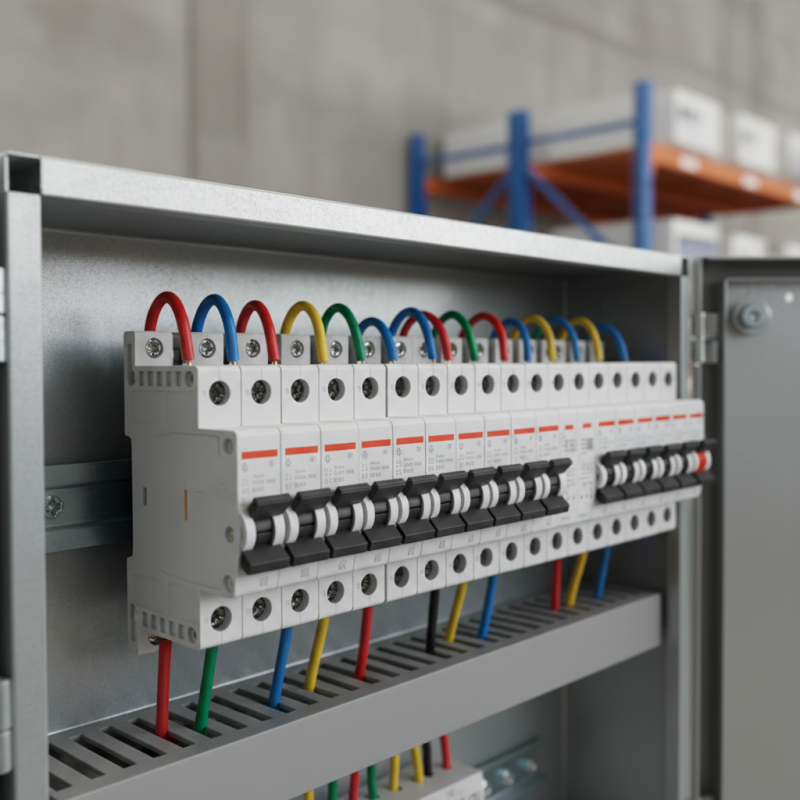
Understanding Miniature Circuit Breakers: Types and Functions
Miniature Circuit Breakers (MCBs) play a crucial role in electrical safety. They protect circuits from overload and short circuits. MCBs come in different types, each designed for specific applications. For example, Type B MCBs are ideal for residential uses, while Type C is suited for industrial settings.
Understanding the functions of MCBs is essential. An MCB automatically switches off the electrical circuit during faults. This helps prevent damage to electrical devices and reduces fire risks. According to industry data, properly selected MCBs can reduce fire accidents by over 30%. Yet, mishandling can occur. Miscalculating load requirements might lead to nuisance tripping or inadequate protection.
Moreover, the ratings of MCBs must align with the expected load. A common recommendation is to choose MCBs rated for about 125% of the load. However, this is not a foolproof rule. If too high, it may not trip in emergencies. If too low, it could trip frequently. Evaluating power needs and consulting reliable resources is crucial in this decision-making process.
Key Factors Influencing the Selection of Miniature Circuit Breakers
When selecting a miniature circuit breaker (MCB), several key factors should be considered. The rated current is crucial. It indicates the maximum load an MCB can handle. Typically, MCBs come in ratings ranging from 6A to 63A. This range suits various applications. Too high a rating can lead to failure to disconnect during faults. On the other hand, a rating too low can cause nuisance tripping.
Another factor is the tripping characteristics. MCBs are classified into types: B, C, and D. Type B triggers at 3 to 5 times the rated current. It suits residential applications. Type C handles 5 to 10 times the rated current. This is ideal for commercial settings. Reports show that over 70% of businesses prefer Type C MCBs due to their versatility. Type D is for high inrush currents, like transformers. Always assess the application to choose correctly.
Environmental conditions also play a role. Dust, humidity, and temperature can affect MCB performance. Operating in extreme conditions may require specialized units. The International Electrotechnical Commission (IEC) offers guidelines on these environmental factors. Data indicates that 25% of circuit failures are attributed to improper MCB selection based on conditions. This highlights the need for careful planning.
Voltage and Current Ratings: Ensuring Compatibility with Electrical Systems
When selecting a miniature circuit breaker (MCB), voltage and current ratings are crucial. The voltage rating indicates the maximum voltage the breaker can handle. For most home or office systems, a rating of 230V or 400V is common. However, not all systems are the same. Always check if your system operates at a different voltage. Choosing the wrong voltage can lead to equipment failure.
Current ratings define how much current the breaker can manage safely. Breakers come in various ratings, typically from 6A to 63A. Evaluate the total load of your electrical system. Many users underestimate their needs. It’s vital to assess the total amperage of appliances and devices. A breaker with an inadequate rating may trip too often, interrupting power.
Errors can arise from a lack of careful calculations. Users might overlook additional devices added to a circuit over time. It's easy to dismiss the importance of proper sizing. A breaker that is too large can fail to protect your circuit. Conversely, one that is too small can disrupt daily activities. Consider consulting an electrician if you're unsure. They can provide the expertise to match your MCB appropriately to your needs.
Evaluating Short-Circuit Capacity and Trip Characteristics in MCBs
When selecting a miniature circuit breaker (MCB), one critical factor to consider is short-circuit capacity. This capacity indicates how much fault current the MCB can safely interrupt without failing. According to industry standards, MCBs typically range from 6 kA to 15 kA in short-circuit rating. Understanding your system's potential fault currents is crucial. Many installations may provide insufficient ratings, exposing circuits to risk.
Next, trip characteristics play a vital role in determining how an MCB responds to overloads. MCBs are categorized into different types, like Type B, C, and D. Each type reacts differently under fault conditions. A report by the International Electrotechnical Commission emphasizes that Type B is suitable for residential applications but may not handle higher inrush currents efficiently. On the other hand, Type C is better suited for devices with larger start-up currents, such as motors. Knowing your load profile can help select the appropriate type.
It's essential to reflect on your specific application needs. Overestimating requirements may lead to unnecessary costs. Conversely, underestimating can compromise safety. Many installations overlook these nuances, leading to equipment damage or fire hazards. Evaluating both short-circuit capacity and trip characteristics ensures a well-rounded approach to circuit protection.
Compliance and Standards: Ensuring Safety with Proper Certifications
When selecting a miniature circuit breaker (MCB), compliance and standards are crucial. Certifying bodies, like IEC and UL, set safety benchmarks. These standards help ensure that MCBs can handle electrical faults effectively. Data from various industry reports indicates that properly certified MCBs reduce electrical fires by over 40%. This statistic highlights the importance of choosing the right breaker.
In many cases, unbranded or non-compliant devices are tempting due to lower prices. However, they often lack the rigorous testing that ensures safety under extreme conditions. Reports suggest that MCBs without proper certifications fail to trip in 30% of fault scenarios. Such failures can lead to severe damages or injuries. Thus, it’s vital to evaluate the certifications and test results of any MCB.
Considering installation environments also matters. An MCB meant for residential use may not withstand industrial conditions. Data indicates that MCBs used in harsh settings can degrade rapidly if not rated for those conditions. Always check specifications and compliance before making a decision. This diligence could save lives and property.
