How to Choose the Right Voltage Frequency Converter for Your Needs
When it comes to selecting the appropriate voltage frequency converter for your specific needs, understanding the various options available can make all the difference in optimizing your equipment's performance. A voltage frequency converter plays a crucial role in converting electrical energy from one frequency and voltage level to another, which is essential for ensuring the compatibility of electrical devices operating on different power standards.
With a plethora of models and features available in the market, it is vital to consider factors such as the load requirements, application environment, and the converter's efficiency. This guide aims to simplify the decision-making process by outlining key considerations and essential features to look for in a voltage frequency converter, enabling you to make an informed choice that aligns with your operational objectives.
Identifying Your Specific Voltage and Frequency Requirements
When selecting the appropriate voltage frequency converter, it is crucial to identify your specific voltage and frequency requirements. In power systems, particularly large interconnected grids, low-frequency oscillations (LFO) can pose significant challenges. Understanding the inherent characteristics of your power system can help in deciphering the voltage and frequency specifications that best suit your application. By leveraging advanced technologies, such as PMU measurements, one can effectively detect and mitigate these oscillations, ensuring stable voltage and frequency levels.
Additionally, the increasing complexity of electrical systems calls for precise parameter analysis. For instance, studies focusing on dynamic electrochemical impedance spectroscopy can enhance our understanding of the frequency-dependent behaviors of energy storage systems, like lithium-ion batteries. As power systems transition to smart grids, the integration of non-intrusive load monitoring solutions can further aid in identifying the specific electrical characteristics needed for optimal voltage frequency converter performance. This analytical approach not only sharpens the selection but also augments the operational efficiency of your power management strategy.
Understanding the Differences Between Single-Phase and Three-Phase Converters
When selecting a voltage frequency converter, it is essential to understand the distinctions between
single-phase and three-phase converters, as each type serves different applications and technical requirements.
Single-phase converters are ideal for smaller, less power-intensive applications, such as
residential and light commercial uses, where the power demand is relatively low. These converters are easier to install and
typically less expensive, making them suitable for simple electrical systems that do not require high efficiency.
In contrast, three-phase converters are designed for more demanding industrial applications, where higher power and efficiency are critical. They are capable of handling larger loads and are more efficient in distributing power, making them preferable for commercial settings such as manufacturing and large-scale operations.
A three-phase converter not only provides a more stable output but also can reduce the risk of electrical imbalances, which is crucial in complex systems like grid-connected PV power systems. Therefore, understanding your specific needs and the scale of your operation is vital in choosing the right type of converter that will optimize performance and ensure longevity in your electrical systems.
Evaluating the Power Rating and Efficiency of Voltage Frequency Converters
When selecting a voltage frequency converter, evaluating its power rating and efficiency is crucial for optimal performance. The power rating indicates the maximum load the converter can handle without overheating or malfunction. According to a report by the International Electrotechnical Commission (IEC), a well-sized converter should have a power rating at least 20% above the peak load requirements to ensure reliability and longevity. For instance, if your equipment requires 10 kW, choosing a converter with a 12 kW or higher rating can help accommodate transient loads without compromising performance.
Efficiency is another vital factor to consider. High-efficiency voltage frequency converters typically operate above 90%, minimizing energy loss during conversion. A study published by the IEEE indicates that using high-efficiency models can reduce operational costs by approximately 5-15% annually. This efficiency not only leads to cost savings but also contributes to a lower environmental impact, aligning with increasing corporate responsibilities toward sustainability. By thoroughly evaluating the power rating and efficiency of available converters, users can make informed decisions, ensuring both performance and cost-effectiveness for their applications.
Exploring Features and Technologies for Enhanced Performance
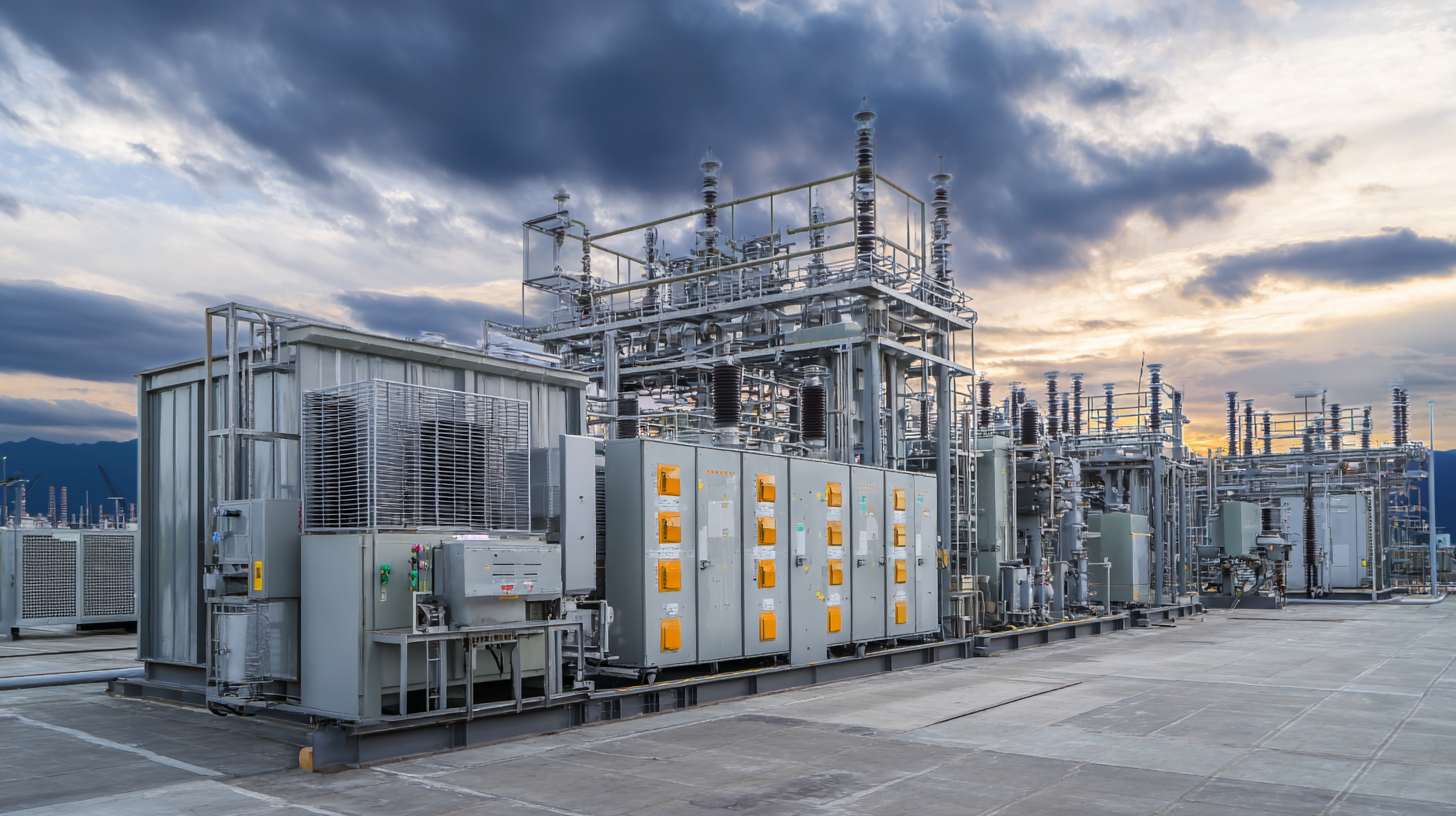
When selecting a voltage frequency converter, understanding its features and technologies is crucial for optimal performance. These converters are designed to adapt power supply systems, enabling equipment to function effectively across different voltage and frequency standards. Key features to look for include programmable output settings, which allow for customization according to specific equipment requirements. This programmability ensures versatility, whether for industrial machinery or sensitive electronic devices.
Another important technology to consider is the efficiency of the converter. High-efficiency models minimize energy loss and often come with built-in protection features, such as overload, short-circuit, and thermal protection, which enhance their reliability. Additionally, converters equipped with advanced digital control systems can provide real-time monitoring and diagnostics, making it easier to maintain operational efficiency and prevent downtime. By focusing on these aspects, users can ensure they choose a converter that not only meets their immediate voltage and frequency needs but also offers reliable long-term performance.
Assessing Budget and Brand Reliability for Your Converter Selection
When selecting a voltage frequency converter, assessing your budget is crucial. Understanding how much you can allocate for this equipment will help narrow down your options. Keep in mind that while it may be tempting to choose the cheapest model available, investing in a higher-quality converter often pays off in terms of longevity and performance. Additionally, consider the operational costs associated with running the converter, including energy efficiency and potential maintenance expenses.
Brand reliability is another essential factor in your decision-making process. Opt for brands that have established a solid reputation in the industry. Research customer reviews and testimonials to gauge user satisfaction. Look for warranties or guarantees that indicate the manufacturer stands behind their product.
Tips: Ensure to check the compatibility of the converter with your specific equipment. This will save you time and money in the long run. Additionally, do not hesitate to reach out to manufacturers or distributors for detailed information on their products, which can help clarify your options. Lastly, attending industry expos or trade shows can provide insight into the latest technologies and offerings in voltage frequency converters.