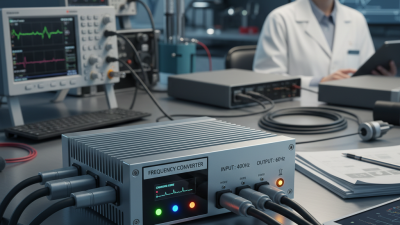
How to Convert 400hz to 60hz Efficiently?
In the field of electrical engineering, the conversion from 400Hz to 60Hz is crucial for various applications. Industries increasingly rely on efficient energy solutions. According to a recent industry report by TechInsights, the global demand for 400Hz to 60Hz converters is expected to rise by 30% over the next five years. This trend is driven by advancements in aviation and military technologies, where 400Hz systems are common.
One prominent expert in this field, Dr. Michael Reynolds, emphasizes the importance of efficiency in conversion technology. He states, "A quality 400Hz to 60Hz converter can significantly enhance system performance." Despite this knowledge, many existing solutions still face challenges. Some converters display inefficiencies, leading to energy losses and increased operational costs. Engineers must continuously evaluate these systems for optimal performance.
Achieving efficiency in these conversions can be complex. Factors such as load voltage and frequency stability play a role. As industries grow, the demand for reliable converters becomes paramount. Innovating and refining these technologies will determine future progress.
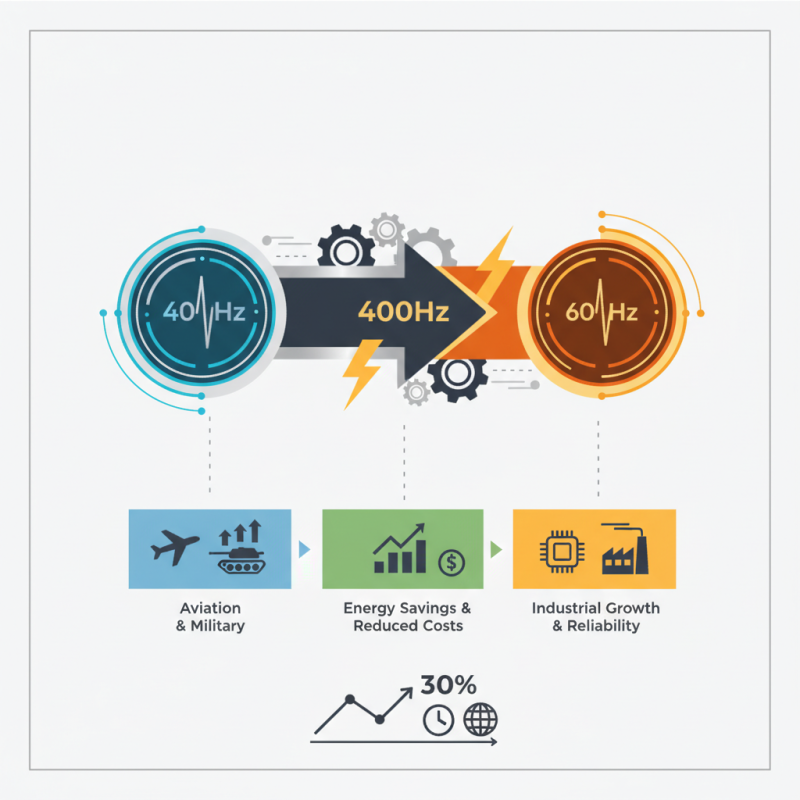
Understanding the Basics of Frequency Conversion: 400Hz to 60Hz
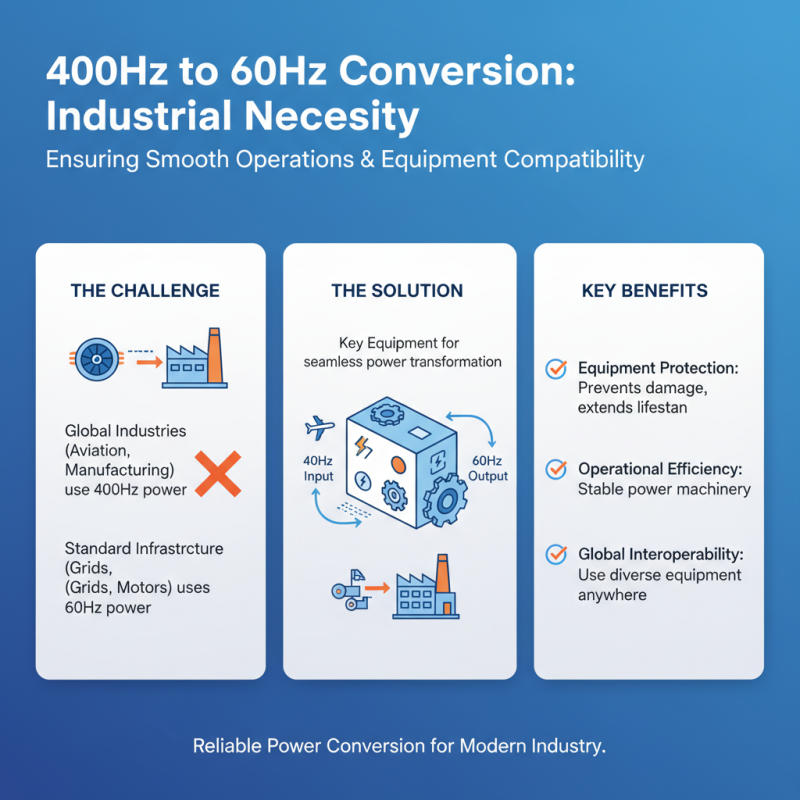
Frequency conversion is essential for adapting devices from one power standard to another. In this case, converting 400Hz to 60Hz is crucial for optimal performance in various applications, especially in the aviation and marine industries. Understanding how these frequencies work is the first step in this process.
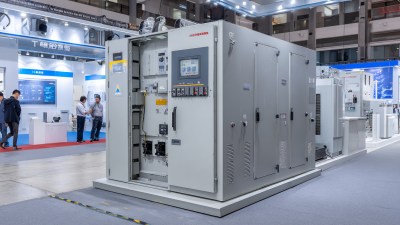
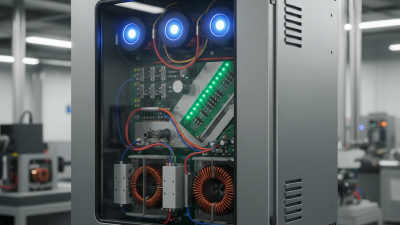
The most common method for this conversion involves the use of frequency converters. These devices help to transform the input frequency efficiently. They typically include an inverter that changes the 400Hz input to 60Hz output. However, choosing the right converter can be tricky. The power rating must match your equipment’s needs. Oversizing or undersizing can lead to inefficiencies.
Tips: Always check compatibility before installation. A mismatch can result in equipment damage. Additionally, consult with experts if unsure about the specifications. Regular maintenance of converters ensures longevity and reliability. Don't overlook the importance of testing the system after conversion to catch any potential issues early on. Many overlook this step and face problems later.
Common Applications Requiring Conversion from 400Hz to 60Hz
Converting 400Hz to 60Hz is essential in various industries. Many aircraft systems operate at 400Hz.
Ground support equipment (GSE) often needs 60Hz power sources. This conversion is crucial for compatibility.
Military applications also commonly require this conversion. Communication devices and radar systems often run at 400Hz. These systems need 60Hz for functionality on base.
Ensuring reliable power is a challenge in these situations.
Power supplies play a vital role. They must be efficient and reliable. Voltage regulation is also essential. Sometimes, converters can introduce noise or instability.
Choosing the right technology is key to maintain performance. This process requires some trial and error, which can be frustrating.
Methods for Efficiently Converting 400Hz Power to 60Hz Power
Converting 400Hz power to 60Hz power can be a challenge. It's essential to choose the right method. A good place to start is with frequency converters. These devices change the frequency of power without altering voltage levels. They are often used in aviation and military applications.
Using transformers is another option. They can adapt voltages, but frequency conversion might not be straightforward. The efficiency can drop if the wrong transformer is used. This can lead to overheating or unnecessary energy loss. Regular maintenance of transformers is crucial.
**Tips:** Always check the specifications of your machinery. Some equipment may not handle frequency changes well. It's also wise to consult with a professional. They can guide you on the best approach. Consider the application where the converted power will be used. Not all methods suit every scenario.
Keep in mind that sometimes, solutions may not be perfect. Testing may reveal unexpected results. Adjustments might be needed to optimize performance. Flexibility in approach often yields the best outcomes.
How to Convert 400Hz to 60Hz Efficiently? - Methods for Efficiently Converting 400Hz Power to 60Hz Power
| Method |
Efficiency (%) |
Cost (USD) |
Application |
| Static Frequency Converter |
95 |
5000 |
Aerospace, Military |
| Rotary Frequency Converter |
90 |
7000 |
Industrial Machinery |
| Inverter Based Converter |
97 |
3000 |
Renewable Energy Systems |
| Capacitor Based Converter |
85 |
2000 |
Small Scale Applications |
Best Practices for Maintaining Efficiency During the Conversion Process
Converting 400Hz to 60Hz can be tricky.
Efficiency is key in this process. Start by using a reliable transformer.
This device can help step down the frequency effectively. Ensure that the transformer is rated for the power levels you need.
An improper rating can lead to overheating or inefficiencies.
Precision is essential during the setup. Faulty wiring may cause voltage drops.
Double-check connections to avoid surprises later. Regular maintenance of your equipment can prevent issues.
Dust and debris can accumulate, degrading performance. Set a schedule for cleaning and inspecting your devices.
Keep an eye on load management. It is easy to overload systems during conversion.
Monitor usage closely to avoid damaging your equipment. Sometimes, unexpected fluctuations occur.
They can affect efficiency severely. Addressing these fluctuations promptly is vital for smooth operation.
Always consider your specific needs for the conversion process.