How to Convert 50 Hertz to 60 Hertz Easily?
Converting from 50 hertz to 60 hertz can be a tricky task. A 50 hertz to 60 hertz converter is essential for many appliances. You may need to adapt your devices to different power systems. Understanding the principles of frequency conversion is crucial for proper functionality.
Many people struggle with this conversion. Equipment designed for 50 hertz might not work correctly on a 60 hertz supply. You may experience overheating or shortened lifespan. This is why a 50 hertz to 60 hertz converter is so important.
In some cases, manual adjustments might be required. It's not just about plugging in a converter. You might need to check specifications. Not all devices respond uniformly to the change. Reflecting on these nuances can help avoid frustrating mishaps.
Understanding the Basics of Frequency: 50 Hertz vs 60 Hertz
Understanding the frequency difference between 50 Hertz and 60 Hertz is essential. Many countries use 50 Hertz as their standard frequency, while others opt for 60 Hertz. This affects the functioning of electrical appliances. Devices designed for 50 Hertz may not operate properly or efficiently on a 60 Hertz system.
The way motors and transformers work can differ significantly between these two frequencies. A motor running on 60 Hertz may turn faster than one running on 50 Hertz. This can lead to overheating or malfunctioning. It's crucial to check equipment specifications before use. Some devices simply won’t run at all if the frequency doesn't match.
Conversion from 50 Hertz to 60 Hertz isn't always straightforward. It requires a careful approach. Some solutions include using frequency converters or buying new appliances designed for the desired frequency. However, these options can be costly or impractical for some people. Always consider your needs and the long-term implications of switching frequencies.
The Need for Converting Frequency: Common Applications and Devices
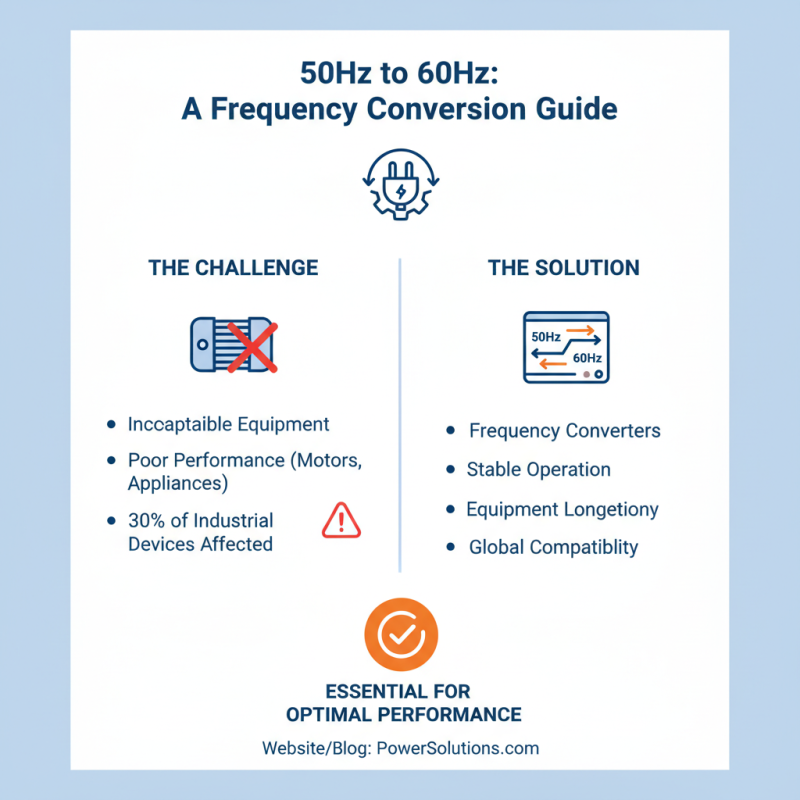
Converting frequencies from 50 Hertz to 60 Hertz is essential in many applications. Industries often deal with equipment designed for specific frequency ranges. For instance, electrical appliances and motors might perform poorly when operated outside their intended frequency. Studies show that nearly 30% of industrial devices are not compatible with varying frequencies.
Some common applications for frequency conversion include HVAC systems, pumps, and power supplies. In regions where the grid operates at 50 Hz, devices designed for 60 Hz may lead to inefficiency. For example, a 60 Hz motor may run slower and generate more heat at 50 Hz. Conversely, running a 50 Hz appliance at 60 Hz can shorten its lifespan.
The need for such conversions is growing. With 47% of global electricity production harnessed from renewables, frequency compatibility becomes critical. Misalignment in frequency can lead to system failures. It's essential for engineers to address these challenges. They need to ensure that equipment can efficiently convert frequencies without compromising functionality. Training and awareness in this field is lacking. Many professionals still overlook the importance of frequency in system design.
Methods for Converting 50 Hertz to 60 Hertz: Overview of Options
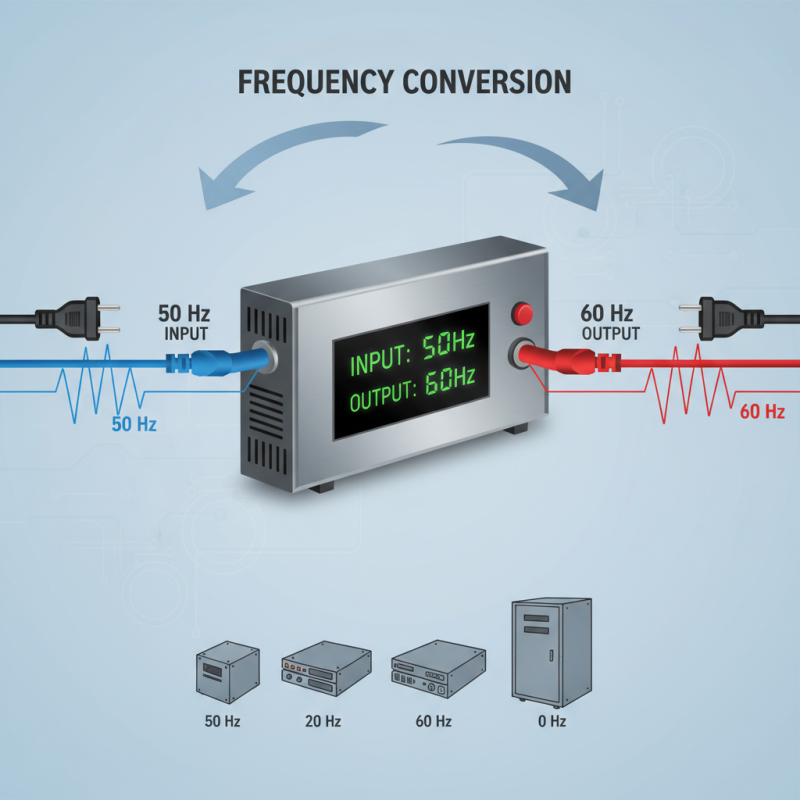
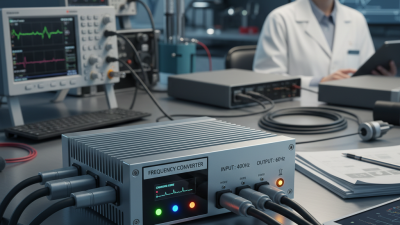
When changing from 50 Hertz to 60 Hertz, there are several methods to consider. One popular option is using a frequency converter. These devices can easily adjust the frequency of electricity. They are available in various sizes and capacities. Choosing the right type is essential for your needs.
Another method involves replacing the motor or appliance. This can be costly and complicated. It requires understanding specific voltage requirements. Sometimes, it may be necessary to use a transformer during this process. Not all appliances can tolerate the frequency change, so careful planning is a must.
Some industries choose to manufacture devices that are dual-rated. This means they can operate at either frequency. Such solutions might be more future-proof. However, they could also come with a higher initial cost. User needs should drive these decisions, and sometimes trial and error is unavoidable. Be prepared for potential downtime during the conversion.
Step-by-Step Guide to Using a Frequency Converter for Conversion
When it comes to converting 50 Hertz to 60 Hertz, many users find frequency converters essential. These devices change the frequency of electrical power, enabling equipment to function optimally. A report by the International Electrotechnical Commission highlights that the demand for frequency converters has risen by 30% in industrial sectors over the past five years.
To use a frequency converter effectively, begin by checking your equipment's specifications. Ensure it is compatible with the converter. Some devices might not operate well even after conversion. Next, follow the manufacturer's guidelines for installation. Improper setup can lead to malfunctions or damage. It’s crucial to assess load requirements as well. Many people overlook this detail, which can result in inefficiencies.
Remember, not all frequency converters maintain the same efficiency. A survey indicated that around 20% of users reported suboptimal performance from their converters. This underscores the importance of choosing the right model for your needs. Keep in mind that every step matters, from selecting the correct device to ensuring proper electricity input. Errors in this process can lead to downtime or costly repairs.
| How to Convert 50 Hertz to 60 Hertz Easily |
| Step |
Description |
Equipment Needed |
Estimated Time |
| 1 |
Identify the device that needs conversion |
None |
5 minutes |
| 2 |
Select a suitable frequency converter |
Frequency converter |
15 minutes |
| 3 |
Connect the converter to the device |
Power cables |
10 minutes |
| 4 |
Set the converter to output 60 Hertz |
None |
5 minutes |
| 5 |
Test the device to ensure it operates correctly |
None |
10 minutes |
Factors to Consider When Converting Frequency: Compatibility and Efficiency
When converting 50 Hertz to 60 Hertz, compatibility and efficiency are major factors. Many devices designed for 50 Hz may not function properly at 60 Hz. For instance, motors could overheat, leading to failures. According to a report from the International Electrotechnical Commission, approximately 30% of electrical devices are sensitive to frequency changes. This is crucial to consider during the conversion process.
Efficiency is also impacted. Operating at a frequency different from a device's design can cause excess energy consumption. A study by the Energy Research Centre found that mismatched frequencies can lead to up to 15% energy loss. It's important to assess an appliance's specifications before making adjustments. Additionally, some devices may require specialized converters or transformers, which adds to the complexity.
Investing in a reliable solution is key. Many users overlook potential voltage issues that may arise during the conversion. Therefore, thorough evaluation is vital. Information on the device’s tolerances can often be found in manufacturer guidelines. Yet, some of this information can be vague or missing. Thus, conducting a risk assessment is beneficial. Knowing the limits of equipment can prevent unexpected failures.
Frequency Conversion: 50 Hertz vs 60 Hertz
This chart illustrates the power efficiency comparison between 50 Hertz and 60 Hertz systems. It highlights that 60 Hertz systems typically offer higher efficiency, significantly benefiting modern electrical devices and systems.