How to Convert 60Hz to 50Hz Easily at Home without Any Complications
In today's interconnected world, the need for electrical compatibility is paramount, particularly when dealing with the transition between different power frequency standards. Countries like the United States predominantly utilize a 60Hz frequency for their electrical systems, while many others, particularly in Europe and parts of Asia, operate on a 50Hz frequency. This disparity can create issues for households and businesses looking to use electrical appliances that are designed for different geographical markets. According to the International Electrotechnical Commission (IEC), approximately 80% of the world's electrical systems operate at either 50Hz or 60Hz, emphasizing the importance of understanding how to adapt to these standards.
Converting 60Hz to 50Hz can seem daunting, but with the right knowledge and tools, it can be accomplished easily at home, ensuring that your appliances function properly without the risk of damage. Reports indicate that improper frequency usage can lead to significant operational issues, with appliances running inefficiently or even sustaining hardware damage over time. Thus, understanding the mechanisms behind converting 60Hz to 50Hz is not only beneficial but essential for optimal appliance performance and longevity.
By exploring simple yet effective methods of frequency conversion, homeowners can enhance their electrical experience, maintaining the functionality of their cherished devices while avoiding the complications often associated with international electrical systems. This article will guide you through the process, outlining effective techniques that can be employed without the need for professional intervention, effectively bridging the gap between these two prevalent power frequency standards.
Understanding the Difference Between 60Hz and 50Hz Electrical Systems
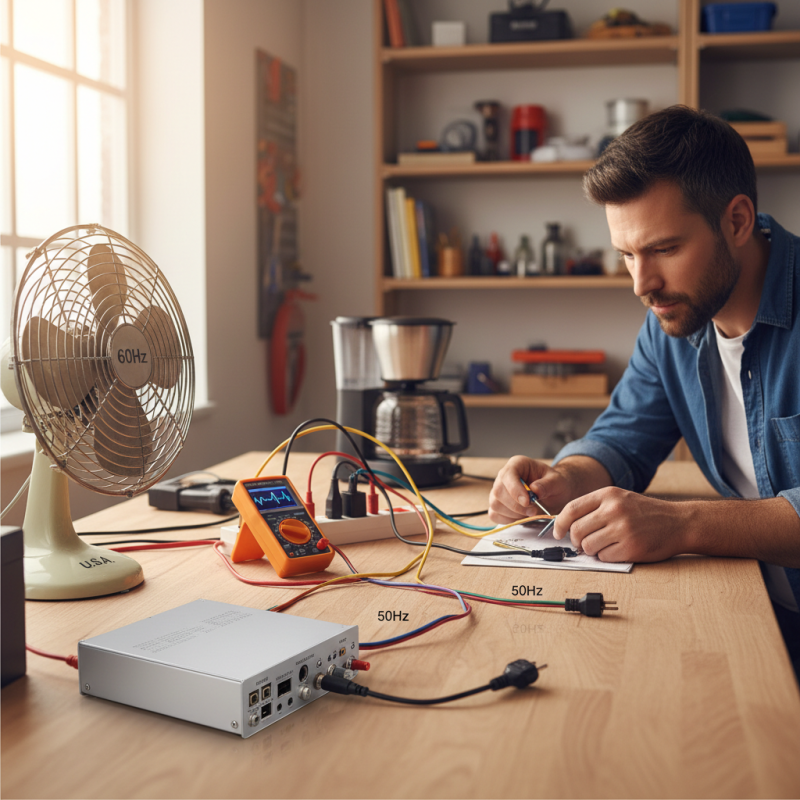
The distinction between 60Hz and 50Hz electrical systems primarily lies in the frequency of the alternating current (AC) provided by power supplies. In simple terms, 60Hz means that the current alternates 60 times per second, while 50Hz signifies an alternation 50 times per second. This difference can significantly impact the performance of electrical devices, particularly in terms of efficiency and compatibility. For instance, many appliances designed for 60Hz may experience overheating or reduced performance when operated on a 50Hz supply.
When considering appliances or devices, it's essential to recognize how this frequency difference influences motor speed and timing. AC motors typically run at a speed that is directly proportionate to the supply frequency. Therefore, a motor designed for 60Hz will run slower and may not operate efficiently on a 50Hz system, leading to potential operational issues. Similarly, devices such as clocks or timers, which rely on the frequency for accurate timekeeping, may also demonstrate faulty performance under varying frequencies. Understanding these differences is crucial for anyone looking to convert or utilize equipment across different electrical systems effortlessly.
Identifying Appliances and Devices Compatible with 50Hz
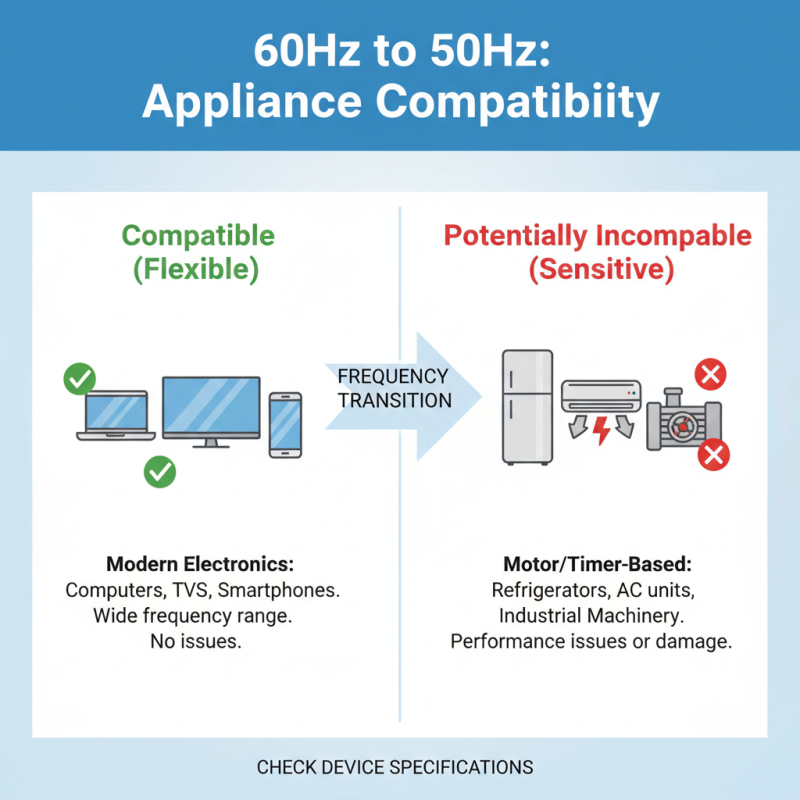
When considering the transition from 60Hz to 50Hz, it is essential to first identify which appliances and devices in your home are compatible with the lower frequency. Typically, many modern electronics such as computers, TVs, and smartphones are designed to operate within a wide range of frequencies and will function without issues. However, some specific equipment, especially those reliant on electric motors or timers, may be sensitive to frequency changes. Devices such as refrigerators, air conditioners, and industrial machinery can experience performance issues or even damage if used with an incompatible frequency.
To determine the capabilities of your appliances, check the labels or manuals for frequency specifications. Look for markings indicating the device can operate at 50Hz. If the device is marked with a range like “50/60Hz,” it’s designed to handle both frequencies seamlessly. Additionally, consult technical forums or manufacturer guidelines if there is any uncertainty. Ensuring that your devices are compatible with 50Hz before making any adjustments will prevent complications in functioning and extend the longevity of your appliances.
Using a Frequency Converter: Selection and Installation Guide
When it comes to converting 60Hz to 50Hz at home, choosing the right frequency converter is crucial for ensuring seamless operation of your appliances. A frequency converter alters the power frequency, allowing devices designed for one frequency to operate smoothly on the other. According to industry reports, utilizing a frequency converter can improve device efficiency by up to 30%, making it a favored solution among consumers looking to adapt their equipment for different electrical standards.
When selecting a frequency converter, consider factors such as power requirements, voltage compatibility, and the specific devices you'll be using. Many converters available on the market can handle a significant range of wattages, but it's essential to ensure that the converter matches the requirements of your specific appliances. Additionally, the installation process should be straightforward, typically involving connecting the converter to your power supply and the device in question. Ensuring proper installation will help avoid potential damage to your devices.
Tips: Always check the specifications of both your device and the frequency converter to avoid mismatches. If you’re dealing with sensitive electronics, consider using a converter with voltage stabilization features. Lastly, consult product manuals and guidelines frequently provided in industry reports to better understand compatibility to maximize performance and longevity.
DIY Methods to Convert Voltage from 60Hz to 50Hz at Home
When converting voltage from 60Hz to 50Hz at home, DIY methods often provide effective solutions without the need for complex wiring or expensive equipment. One popular technique is using a frequency converter, which can be purchased for home use. These devices efficiently change the frequency of the electrical supply, allowing you to run appliances designed for 50Hz without any issues. Setting up a frequency converter typically involves simply plugging it into a power outlet and connecting your appliance, making it a straightforward option for those seeking a quick fix.
Another practical method involves using a transformer combined with an inverter. By first stepping down the voltage using a transformer that matches the required specifications, you can then utilize an inverter to convert the 60Hz input into a stable 50Hz output. Although this approach may require some initial setup and understanding of electrical components, it allows for flexibility in powering various devices while maintaining the desired frequency. Always ensure that the transformer and inverter you choose are rated appropriately for the devices you plan to use, safeguarding against potential damage or inefficiencies.
Safety Precautions to Consider When Converting Frequencies
When converting electrical frequencies from 60Hz to 50Hz at home, safety should be the foremost concern to prevent any mishaps or damage to your appliances. Firstly, ensure that you are well-informed about the specific requirements of the devices you intend to use with the modified frequency. Overloading circuits or using incompatible appliances can lead to overheating and potential fire hazards. It is advisable to measure the voltage and current ratings of your devices to ensure they can handle the altered frequency without risk.
Additionally, using appropriate equipment and tools is critical during the conversion process. Make sure that any converters or transformers used are designed to handle the power output required for your household items. Always inspect your devices for any signs of wear or damage before proceeding with the conversion. Taking the time to follow these guidelines will not only ensure the safety of your electrical systems but also prolong the life of your appliances. Remember to consult with a professional if you are uncertain or have questions about the process.
How to Convert 60Hz to 50Hz Easily at Home without Any Complications - Safety Precautions to Consider When Converting Frequencies
| Component |
Function |
Safety Precautions |
Installation Complexity |
| Voltage Converter |
Converts voltage levels for device compatibility |
Ensure proper wattage matching to avoid overheating |
Easy |
| Frequency Converter |
Changes the frequency of the electrical supply |
Use with certified devices to ensure safe operation |
Moderate |
| Transformer |
Adjusts voltage for device compatibility |
Double-check input and output voltage ratings |
Easy |
| Generac System |
Provides backup power and stable frequency |
Ensure installation by a professional |
Complex |