How to Convert 60Hz to 50Hz: A Step-by-Step Guide for Your Electrical Devices
If you are planning to use electrical devices designed for a 50Hz frequency in an area where the standard frequency is 60Hz, or vice versa, understanding the process of converting 60Hz to 50Hz is essential. This guide provides a detailed overview of the necessary steps to ensure your devices operate safely and efficiently, regardless of the electrical standards in your region.
Converting 60Hz to 50Hz can seem daunting at first, but with the right tools and knowledge, you can successfully adapt your appliances. Various methods, such as using frequency converters or adjusting the device settings, may be available depending on the type of equipment you are working with. It’s crucial to follow precise instructions to prevent damage to your devices and to ensure optimal performance.
Throughout this article, we will outline the step-by-step procedures for converting 60Hz to 50Hz, including the advantages and potential challenges of each method. By the end, you will have a clearer understanding of how to adjust your electrical devices for different frequency requirements, making your transition smoother and more reliable.
Understand the Difference Between 60Hz and 50Hz Electrical Systems
When discussing electrical systems, the difference between 60Hz and 50Hz plays a crucial role in determining the compatibility of devices across various regions. The fundamental distinction lies in the frequency at which the alternating current (AC) changes direction. In countries like the United States, a frequency of 60Hz is standard, whereas many parts of Europe and Asia operate on a 50Hz system. This difference affects the performance and efficiency of electrical devices, potentially leading to malfunction or damage if a device is used in an incompatible system.
Understanding this frequency variation is vital for anyone looking to use electrical appliances internationally. Devices designed for 60Hz may experience overheating or reduced lifespan when connected to a 50Hz supply due to the slower cycle of electricity. Conversely, 50Hz devices may not operate effectively, if at all, on a 60Hz supply. Therefore, it is essential to check the specifications of electrical devices before using them abroad, ensuring that the frequency aligns with the local electrical system to avoid risks and ensure optimal performance.
Identify Devices That Can Be Converted from 60Hz to 50Hz
When considering converting electrical devices from 60Hz to 50Hz, the first step is to identify which devices can actually accommodate this change. Many household appliances and electronics are designed to operate seamlessly at either frequency, while others may suffer reduced performance or become inoperable. According to a report by the International Electrotechnical Commission, around 30% of electrical devices in the consumer market are dual-frequency compatible, enabling users to enjoy flexibility in their electrical setups.
In particular, devices such as universal power adapters, some computer power supplies, and select audio equipment are designed to handle both 60Hz and 50Hz. Reports indicate that industrial equipment is more likely to be built with compatibility in mind, with estimates showing that approximately 60% of machinery can be adapted without significant modifications. However, it is crucial to carry out thorough research or consult product manuals to confirm compatibility, as failure to do so may lead to equipment damage or non-compliance with local electrical standards. By identifying the right devices, users can ensure a smoother transition during the conversion process.
Explore Solutions: Frequency Converters and Their Functionality
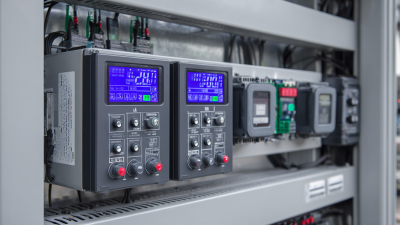
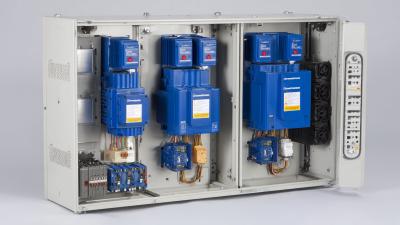
When converting electrical appliances from 60Hz to 50Hz, one of the most effective solutions is the use of frequency converters. These devices allow electronic equipment designed for one frequency to operate efficiently on another. By providing the necessary adjustments in frequency, they not only ensure compatibility but also enhance operation performance, reducing wear and tear on the devices over time.
Recent advancements in technology have led to significant innovations in frequency conversion. Companies are actively developing modules that extend the operational capabilities of various devices to meet modern demands, including high-frequency applications. Such developments are critical in industries like renewable energy and power electronics, where efficiency and performance are paramount. As the need for effective frequency management continues to grow, these solutions play a crucial role in enabling seamless transitions between different operational standards.
Step-by-Step Guide to Converting Your Devices
When converting devices from 60Hz to 50Hz, it’s essential to understand the electrical compatibility of your appliances. Many electronic devices are designed to operate on a specific frequency. According to industry reports, approximately 25% of appliances in the global market are sensitive to frequency variations, which can cause malfunctions or even permanent damage. Before attempting a conversion, it's advisable to check the voltage and frequency specifications on the device label, ensuring that it can handle a different frequency setting.
The process of converting the frequency usually involves using a frequency converter. According to a recent market analysis by industry experts, the demand for frequency converters has surged by over 15% in the last three years, owing to the rising number of international travelers and expatriates relying on portable electronic devices. For an effective conversion, ensure that you choose a converter appropriate for the power rating of your gadgets. Additionally, using a multi-frequency power supply can help in mitigating risks associated with frequency conversion, making your devices more versatile and safe for use across different regions.
Frequency Conversion Efficiency: 50Hz vs 60Hz
Safety Precautions and Best Practices During Conversion
When converting electrical devices from 60Hz to 50Hz, safety must be a top priority. First and foremost, ensure that all power sources are completely turned off before beginning any work. This includes unplugging devices and turning off circuit breakers. Using insulated tools can further reduce the risk of electrical shock.
It’s also crucial to wear appropriate personal protective equipment, such as rubber gloves and safety goggles, to safeguard against any accidental contact with live wires or components.
Additionally, familiarize yourself with the specific requirements of the devices you are converting. Some appliances may have built-in transformers designed to handle different frequencies, while others may not be compatible at all. Always refer to the manufacturer's guidelines to avoid damaging your devices.
If uncertain, consider consulting a professional electrician to ensure the conversion is performed correctly and safely. By taking these precautions, you can minimize risks and ensure a smoother transition for your electrical devices.