Unlocking Efficiency: How Single to Three Phase Converters Transform Your Electrical Systems
In an era where efficiency and performance are paramount, the transformation of electrical systems through innovative technology is more important than ever. One such revolutionary advancement is the single to three phase converter, which plays a crucial role in bridging the gap between varying power demands and system capabilities. By converting single-phase electrical power into three-phase power, these converters not only enhance the performance of electrical equipment but also significantly improve energy utilization.
 This technology is not just about boosting efficiency; it also facilitates the integration of modern machinery and automation processes in industrial settings, leading to increased productivity and reduced operational costs. As we delve deeper into the functionalities and benefits of single to three phase converters, we will uncover how these devices are reshaping the landscape of electrical systems for businesses seeking to optimize performance and drive innovation.
Types of Single Phase to Three Phase Converters: An Overview
Single-phase to three-phase converters play a pivotal role in modern electrical systems, especially in enhancing efficiency and performance. There are various types of converters designed to cater to specific applications. For instance, the single-phase direct step-up AC-AC converter reduces component count while providing a high boost factor, making it suitable for applications that require efficient voltage conversion with fewer resources. Additionally, multi-level inverters (MLI) have gained prominence due to their ability to interface effectively with grid-connected solar PV systems, showcasing a wide array of topologies that enhance performance and reduce harmonics.
Moreover, three-phase converters, including current source inverters, provide inherent boost capabilities, which are particularly beneficial in applications such as electric vehicle (EV) charging setups and industrial machinery. Innovations like the three-phase induction motor leverage advanced control strategies such as Volts/Hz control to optimize performance across different load conditions. This diverse spectrum of single to three-phase converters not only contributes to more efficient electrical systems, but also aligns with the growing demand for renewable energy integration and improved power management in various sectors.
Unlocking Efficiency: How Single to Three Phase Converters Transform Your Electrical Systems
| Converter Type |
Input Phase |
Output Phase |
Efficiency (%) |
Common Applications |
| Rotary Converter |
Single Phase |
Three Phase |
90-95 |
Industrial Machinery |
| Static Converter |
Single Phase |
Three Phase |
80-90 |
Small Tools |
| Inverter |
Single Phase |
Three Phase |
85-98 |
Renewable Energy Systems |
| Phase Converter |
Single Phase |
Three Phase |
75-90 |
Agricultural Equipment |
| Transformer Type Converter |
Single Phase |
Three Phase |
85-95 |
Commercial Applications |
Benefits of Converting Single Phase Power to Three Phase Systems
Converting single-phase power systems to three-phase systems offers numerous benefits that enhance efficiency and overall performance in electrical applications. Three-phase systems provide a consistent power supply and are more efficient in handling electrical loads, which is particularly crucial in industrial settings. For instance, according to industry reports, three-phase systems can reduce energy losses by up to 30% compared to single-phase systems, ultimately leading to cost savings and improved operational efficiency.
Recent innovations, such as hybrid power electronic transformers (HPET), highlight the transformation in energy distribution systems. By developing power flow models, HPETs facilitate the quantification of controllability requirements for voltage and active power management, significantly improving the integration of renewable energy sources. Moreover, the implementation of intelligent MPPT strategies in grid-connected converters enhances energy storage utilization in applications such as railways, further demonstrating the versatility and efficiency gains attainable through three-phase systems. As industries seek sustainable solutions amidst growing environmental concerns, converting single-phase power to three-phase systems becomes not only beneficial but essential for modern electrical infrastructure.
Common Applications for Single to Three Phase Converters
 Single to three phase converters play a crucial role in various industries by enhancing the efficiency of electrical systems. One of the most common applications is in manufacturing facilities, where heavy machinery often operates on three-phase power. By converting single-phase supply into three-phase power, these converters enable the use of large motors and equipment, resulting in improved productivity and reduced operational costs. This application is particularly beneficial for systems requiring high torque and consistent power delivery, such as conveyor systems and industrial mixers.
Another significant application is in HVAC systems, where three-phase motors are essential for compressors and blowers. Single to three-phase converters allow residential or smaller commercial buildings, which may only have a single-phase supply, to efficiently use these advanced HVAC systems. This not only enhances climate control but also ensures energy efficiency and reduced wear on equipment. Additionally, they are increasingly utilized in renewable energy systems, such as wind turbines, where the power generated can be converted to three-phase for better integration into the grid. These practical applications highlight the versatility and importance of single to three-phase converters in modern electrical systems.
Key Considerations When Choosing a Converter
When choosing a converter for transforming electrical systems from single to three phase, several key considerations should be prioritized.
First, it’s essential to evaluate the power rating and efficiency of the converter, as these factors directly influence the performance and reliability of the system.
High-quality converters typically provide better efficiency, leading to energy savings and decreased operational costs.
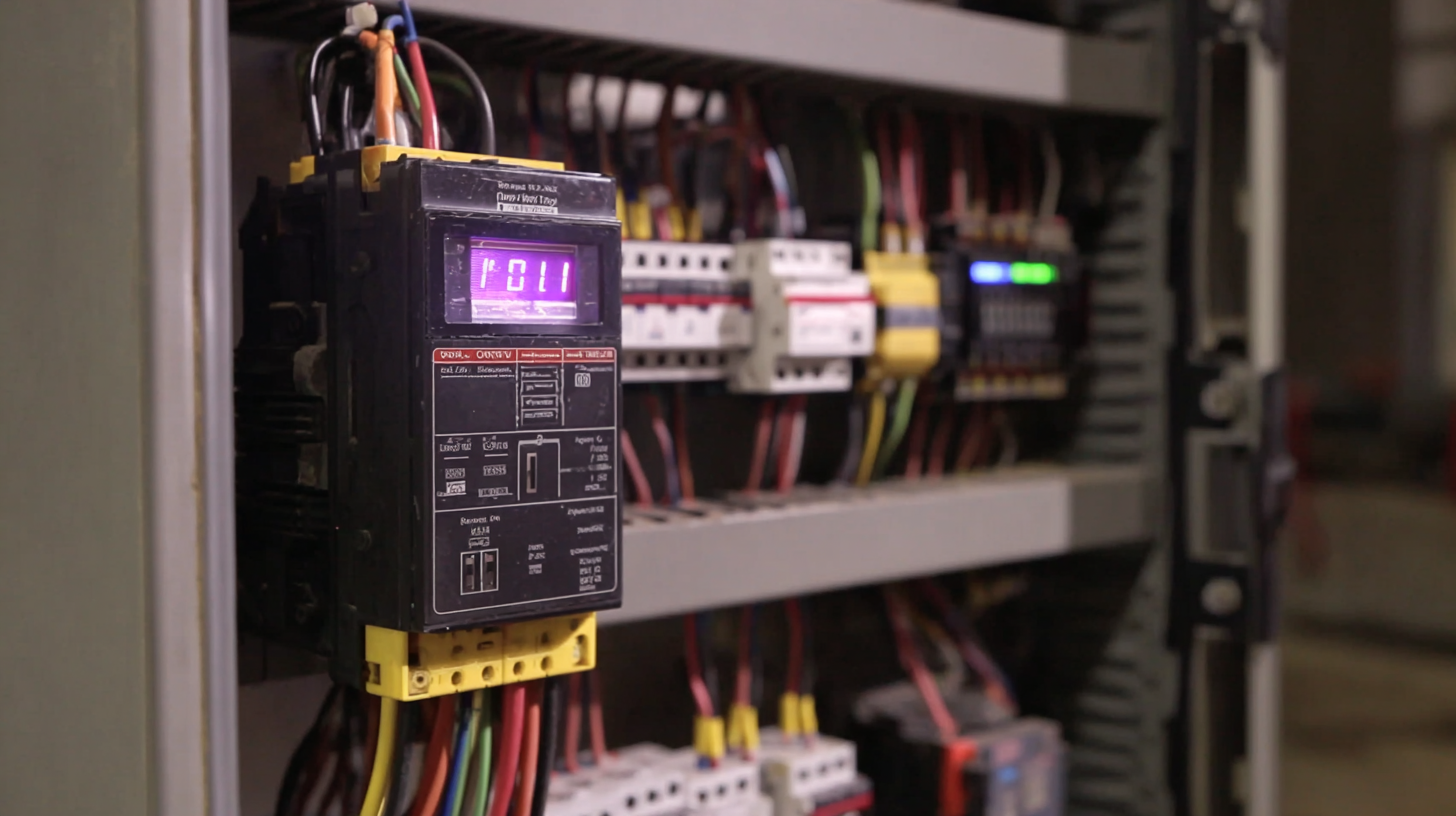
Tips: Always check compatibility with your existing system to ensure seamless integration.
In cases where the application demands different voltages, opt for a converter that offers adjustable settings to accommodate varying requirements.
Another critical aspect is the load type—whether it's inductive, resistive, or capacitive—since each requires different handling characteristics.
Additionally, consider the environmental conditions where the converter will be used, making sure that it can withstand those specific circumstances.
Tips: Look for converters with robust thermal management features to prevent overheating.
If your applications are sensitive to disturbances, investing in models with advanced filtering capabilities can enhance overall stability and performance.
Impact on Efficiency and Performance in Electrical Systems
The transition from single-phase to three-phase converters plays a significant role in enhancing the efficiency and performance of electrical systems. In single-phase systems, power fluctuations can often lead to inefficiencies, causing motors to struggle under loads and reducing overall performance. Conversely, three-phase systems provide a more balanced power load, allowing for smoother operation of machinery and appliances. This increased stability not only minimizes energy losses but also extends the lifespan of electrical equipment, resulting in lower maintenance costs.
Additionally, three-phase systems can handle higher power loads without requiring larger conductors, which optimizes space and reduces installation costs. They also improve torque and speed regulation in motors, empowering industrial applications to operate more effectively. As businesses and industries look for ways to maximize productivity while minimizing energy consumption, the adoption of phase converters becomes vital. By providing a seamless transformation, these converters lead to greater operational efficiencies, allowing organizations to meet growing demands while maintaining sustainability in their energy usage.