What is an Electric Water Heater and How Does It Work?
Electric Water Heaters are essential appliances in modern households. They provide hot water for various needs, from bathing to cooking. John Smith, a leading expert in heating technology, says, "Electric water heaters are energy-efficient and deliver quick hot water on demand." This statement captures the convenience they offer.
These appliances operate by using electric resistance elements. When the elements heat up, water in the tank reaches the desired temperature. This process is efficient but can sometimes lead to higher energy costs if not managed properly. Users should consider their usage patterns to optimize efficiency.
While electric water heaters have numerous advantages, they also come with considerations. For instance, the risk of sediment buildup can affect performance. Regular maintenance can prevent this issue. Understanding how an electric water heater works helps users appreciate its benefits and limitations.
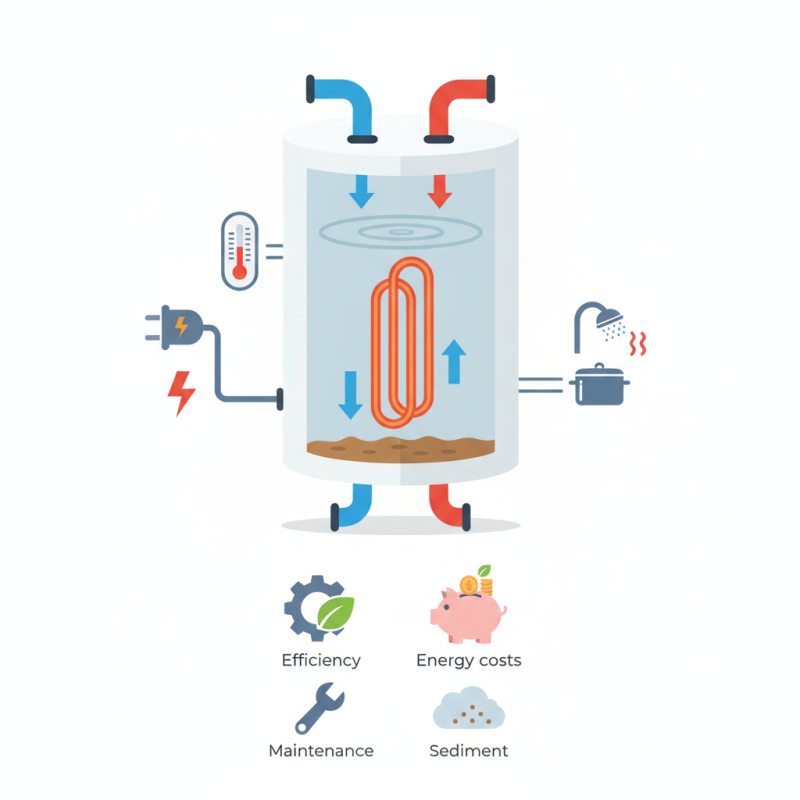
What is an Electric Water Heater: Definition and Key Features
An electric water heater is a device that heats water using electrical energy. It usually consists of a tank and heating elements. The tank stores heated water for use in showers, sinks, and appliances. Understanding its operation is essential for homeowners.
Key features include adjustable temperature settings, energy efficiency, and safety mechanisms. Many models offer quick heating, allowing for a steady supply of hot water. However, users should consider energy costs, as electricity can be expensive. Proper installation and regular maintenance are crucial for optimal performance.
One notable aspect is the potential for breakdowns. Over time, elements can corrode. Sediments may accumulate in the tank. These problems can affect water quality and efficiency. Regular inspections can help identify issues early. While electric water heaters are reliable, users should be aware of maintenance needs.
Types of Electric Water Heaters: Storage vs. Tankless Models
Electric water heaters come in two main types: storage and tankless models. Storage water heaters are the traditional choice, featuring a large tank. They hold a significant amount of heated water, typically ranging from 20 to 80 gallons. When you turn on the hot tap, this pre-heated water flows out. However, when the tank runs out, you may have to wait for it to refill and reheat. This can be inconvenient during peak usage times.
Tankless water heaters, on the other hand, offer an endless supply of hot water. They heat water on demand, which means there’s no waiting. Instead of a bulky tank, they use powerful heating elements that activate when you need hot water. While they often have a higher initial cost, they save energy and space. It's essential to analyze your household's needs before choosing between these technologies.
Both options have their pros and cons. Storage models may save you upfront costs but may lead to higher energy bills. Tankless units are efficient but can struggle to meet high demands. This choice depends on your usage patterns and budget. Reflecting on these details can guide you to a better decision.
Comparison of Electric Water Heater Types: Storage vs. Tankless
This chart illustrates the average efficiency of two types of electric water heaters. Storage water heaters have an average efficiency of 80%, while tankless models have a higher efficiency at 95%. This efficiency difference is an important consideration when choosing the type of water heater that best suits your needs.
How Electric Water Heaters Generate Heat: Elements and Functionality
Electric water heaters are common household appliances that use electricity as a source of energy to heat water. They typically consist of two primary heating elements: an upper element and a lower element. These elements heat water as it flows through them. When you turn on a hot water tap, cold water fills the tank, triggering the elements to warm it up.
Electric water heaters operate on the principle of resistance heating. When an electric current passes through the heating elements, resistance generates heat. This heat is transferred to the surrounding water. According to the U.S. Department of Energy, around 90% of an electric water heater’s energy is used to heat the water.
Tips: Regular maintenance can improve efficiency. Check the temperature settings on your thermostat; 120 degrees Fahrenheit is often sufficient. Also, consider flushing the tank yearly to remove sediments. Poor maintenance can lead to decreased performance and higher energy bills. Keep an eye on signs of wear in the heating elements; replacing them may be necessary to maintain optimal function.
Efficiency Ratings of Electric Water Heaters: Understanding ENERGY STAR Standards
When selecting an electric water heater, efficiency is key. ENERGY STAR standards provide a clear framework for evaluating performance. These ratings help consumers identify water heaters that use less energy while providing reliable hot water. Choosing an efficient model can save money and reduce environmental impact.
Understanding these ratings can be tricky. Efficiency isn't just about energy use; it also includes recovery times and the initial heating capacity. A higher efficiency rating means the heater can heat water faster, but the upfront cost may be higher. Weighing the costs against potential savings can be challenging for homeowners.
Some electric water heaters might appear efficient at first glance. However, various factors can affect their performance in real-world settings. For example, improper installation can lead to energy loss. Regular maintenance is essential to keep efficiency levels high. It’s crucial to look beyond the label and consider the heater's overall performance.
Common Issues and Maintenance Tips for Electric Water Heaters
Electric water heaters are essential in many homes. They provide hot water for various daily activities. However, they can experience common issues that may disrupt their efficiency. Regular maintenance is crucial for optimal performance and longevity.
One common problem is sediment buildup in the tank. This occurs when minerals from water settle at the bottom. Reports suggest that about 80% of household water contains minerals. Regular flushing of the tank can reduce this buildup, enhancing heating efficiency. Ignoring this maintenance can lead to overheating and even tank corrosion.
Another issue is the heating element failure. A malfunctioning element can stop hot water production entirely. Homeowners should periodically check these elements for signs of wear. Additionally, checking the thermostat settings ensures the water heats to the desired temperature. Regular maintenance not only resolves issues but also saves on energy costs over time. Despite best efforts, some homeowners may overlook these checks, leading to inefficient systems. Keeping a maintenance schedule can help avoid these pitfalls.
