Essential Isolation Switch Tips for Safety and Efficiency?
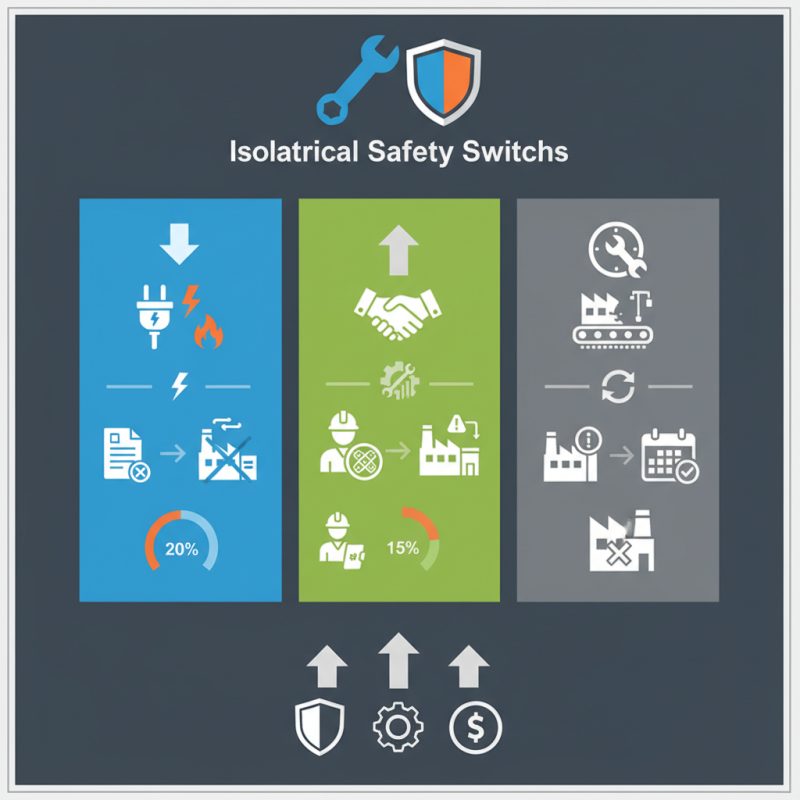
Isolation Switches are crucial for electrical safety and system efficiency. According to a recent report from the National Fire Protection Association, improper isolation can lead to costly accidents. In fact, around 20% of electrical failures are linked to inadequate isolation practices. This statistic underscores the importance of proper use and maintenance of isolation switches.
The design and installation of these switches should align with industry standards, such as the International Electrotechnical Commission guidelines. Neglecting these standards can jeopardize safety. Moreover, a study by the Institute of Electrical and Electronics Engineers found that 15% of workers risk injury due to faulty switch usage. This is alarming and calls for improved training.
Yet, isolation switches are often overlooked in regular maintenance schedules. Many facilities do not inspect them regularly, which can lead to unexpected failures. There's a paradox: essential components, if ignored, can lead to unplanned shutdowns. Reflecting on this, businesses must prioritize their training and review practices concerning isolation switches to enhance operational safety and efficiency.
Understanding the Purpose of Isolation Switches in Electrical Systems
Isolation switches are crucial in electrical systems. They serve to disconnect the source of power safely. This disconnection is vital during maintenance or emergencies. By isolating circuits, technicians ensure safety. They prevent accidental energizing of equipment. A reliable isolation switch can save lives.
Understanding isolation switches goes beyond their basic function. Users often overlook their role in enhancing efficiency. A properly installed switch minimizes unnecessary downtime. It can improve system performance. However, not all users understand their operation. Some might forget to engage the switch during repairs. This oversight can lead to risks.
Training staff on isolation switch use is essential. Regular drills can keep everyone sharp. Familiarity reduces mistakes over time. Safety signs near these switches can remind workers to check them. Isolation switches should be easily accessible, yet secure. Ultimately, their purpose should never be taken for granted. Regular checks and maintenance can prevent failures, ensuring safety is a continuous commitment.
Key Safety Considerations When Using Isolation Switches
Isolation switches play a crucial role in maintaining safety and efficiency in electrical systems. When using these switches, proper installation and maintenance are essential. According to the National Fire Protection Association (NFPA), electrical failures cause approximately 21 percent of fires in industrial settings. This statistic emphasizes the need for reliable isolation systems to prevent hazardous situations.
One key safety consideration is regular inspections. An estimated 30 percent of electrical incidents arise from equipment failure. Ensuring that isolation switches are functioning correctly can reduce risks. Visual checks and operational tests should be carried out routinely. Additionally, proper labeling of isolation switches is critical. Incorrect labels can lead to mishaps, especially in high-stress environments.
Another aspect to consider is employee training. A report from the Occupational Safety and Health Administration (OSHA) shows that inadequate training contributes to 10 percent of electrical accidents. Workers must understand the purpose and use of isolation switches. Clear guidelines help avoid misuse and improve overall safety. Monitoring and feedback are also important. Collecting data on incidents can lead to better practices.
Essential Isolation Switch Tips for Safety and Efficiency
| Tip | Description | Safety Considerations | Efficiency Benefits |
| Regular Maintenance | Frequent checks to ensure functionality. | Prevents failure during critical operations. | Minimized downtime enhances productivity. |
| Proper Installation | Ensure compliance with local electrical codes. | Reduces risk of electrical hazards. | Optimizes switch operation and reliability. |
| User Training | Train staff on correct usage and safety protocols. | Prevents accidents and misuse. | Increases confidence and efficiency in operations. |
| Visual Indicators | Use clear labels and indicators for states. | Enhances awareness of switch status. | Improves response time in emergencies. |
| Emergency Access | Position switches where they can be quickly accessed. | Allows rapid response to emergencies. | Reduces recovery time after faults. |
Best Practices for Installing Isolation Switches Efficiently
When installing isolation switches, planning is key. Consider the location carefully. It should be accessible for quick intervention. Think about the switch's visibility as well. A well-placed switch can save time during emergencies. Also, ensure it is mounted securely. Loose installations can lead to failures. Use appropriate tools and check the specifications for any compatibility issues.
Next, follow the correct wiring practices. Double-check connections and strip wires properly. Each connection should be tight and secure. Any loose ends could cause interruptions. Don’t rush through this step. Testing the system after installation is crucial. An untested system can be a risk. Remember, even minor mistakes can lead to significant issues. Regular maintenance checks are vital as well. They help in identifying wear or damage that could affect performance.
Isolation switches must stay reliable in any situation.
Routine Maintenance Tips for Keeping Isolation Switches Functional
Routine maintenance is crucial for keeping isolation switches functional and safe. Regular inspections help identify wear and tear. Check for loose connections. Ensure that the switch is clean and free from debris, which can cause malfunctions. Dust and grime build-up can lead to overheating. Use a soft cloth to wipe away dirt. Schedule these checks every few months.
Testing the operation of the switch is essential. This can be done by turning it on and off several times. Listen for any unusual sounds during operation. If something seems off, it might indicate a problem. Don’t ignore flickering lights or strange noises. These small signs can lead to larger issues if not addressed.
Documentation of maintenance is also important. Keep a log of inspections and actions taken. This helps in tracking performance over time. Regular monitoring can prevent unexpected failures. Reflect on past maintenance work and adjust practices as needed. Stay proactive about isolation switch care for efficiency and safety.
Troubleshooting Common Issues with Isolation Switches
Isolation switches are vital for safely disconnecting electrical circuits. However, they can encounter issues that may compromise safety and efficiency. One common problem is inadequate maintenance, which leads to dust and debris buildup on contacts. This can cause poor connections that result in arcing and overheating. Regular inspections and cleanings can prevent these issues effectively.
Another frequent issue is operator error. Users may misunderstand how to properly engage or disengage these switches. Providing clear, detailed training for staff is essential. Sometimes, confusion can stem from unfamiliarity with the equipment or safety protocols. This highlights the need for ongoing education. Additionally, incorrect placement can hinder access, making troubleshooting more difficult. Assessing the installation location can help ensure that the switches are both safe and practical.
While isolation switches are designed for safety, their effectiveness depends on proper use and maintenance. It’s crucial to address any signs of malfunction early. Even minor issues should not be ignored, as they can escalate quickly. Reflecting on these aspects can prevent costly downtime and enhance overall efficiency in any setting.
Essential Isolation Switch Tips for Safety and Efficiency
This bar chart illustrates the frequency of common issues encountered with isolation switches based on a survey of electrical professionals. The issues analyzed include Contact Wear, Improper Installation, Insulation Failure, and Environmental Damage.
