Understanding the Essential Role of Power Converters in Modern Energy Systems
In the rapidly evolving landscape of modern energy systems, power converters have emerged as a fundamental component, playing a vital role in the efficient conversion and management of electrical energy. According to a recent report by the International Energy Agency (IEA), the global market for power converters is projected to reach USD 32 billion by 2025, driven by the increasing demand for renewable energy integration and energy storage solutions. These devices facilitate the conversion of various forms of energy, including solar, wind, and battery storage, into usable electricity, thereby enhancing system reliability and performance. As the transition to sustainable energy solutions accelerates, understanding the technical intricacies and advancements in power converter technology becomes essential for industry stakeholders aiming to optimize energy utilization and reduce carbon footprints. Thus, a comprehensive exploration of power converters not only highlights their essential contributions to energy systems but also underscores the innovation necessary for future developments in the energy sector.
The Importance of Power Converters in Renewable Energy Integration
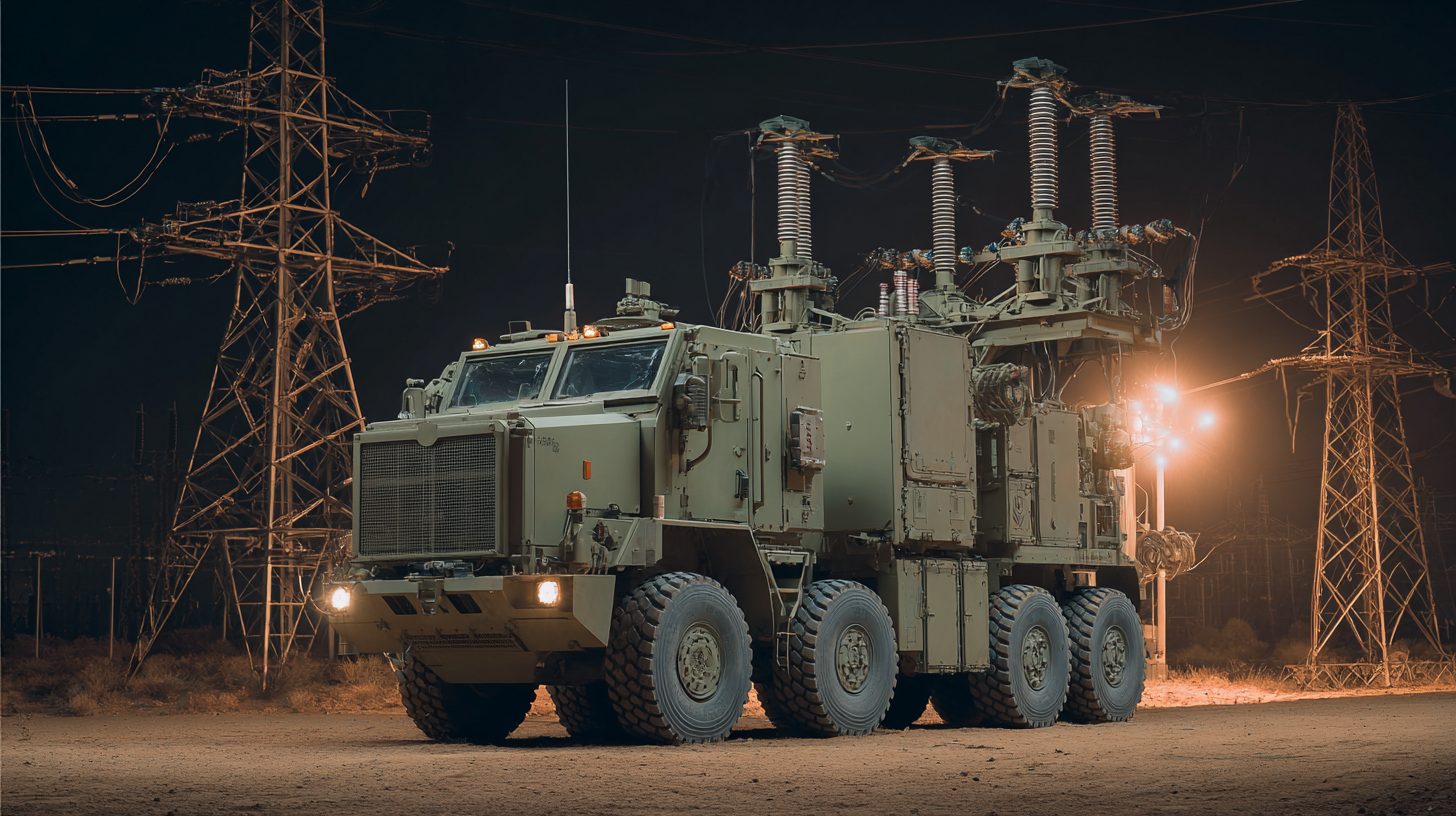
Power converters are vital components in modern energy systems, particularly when it comes to integrating renewable energy sources like solar and wind power. According to a report by the International Renewable Energy Agency (IRENA), the global installed capacity of renewable energy reached over 2,800 GW in 2020, which highlights the increasing reliance on renewables. Power converters enable the efficient transformation of DC electricity generated by solar panels or the variable output from wind turbines into stable AC electricity that can be fed into the grid, ensuring compatibility with existing infrastructure.
In addition, the role of power converters in enhancing grid stability cannot be understated. A study by the National Renewable Energy Laboratory (NREL) indicates that advanced power converter technologies can provide essential services such as frequency regulation and voltage support. These capabilities are crucial as more variable renewable energy sources are integrated into the grid. By 2030, it is projected that around 70% of electricity generation will come from renewable sources, necessitating robust power conversion solutions to manage the complexities of energy supply and demand. This underscores the importance of investing in innovative power converter technologies to facilitate a sustainable energy future.
Understanding the Essential Role of Power Converters in Modern Energy Systems
This chart illustrates the contribution of different types of power converters in the integration of renewable energy sources into the grid. The data represents the percentage share of each converter type in supporting renewable energy systems in 2023.
Key Statistics: Power Converters in the Global Energy Landscape
Power converters play a crucial role in modern energy systems, significantly impacting the global energy landscape. As of June 2025, India has reached a total installed power capacity of 476 GW, demonstrating a remarkable reduction in power shortages from 4.2% in 2013-14 to just 0.1%. This achievement underscores the importance of advanced power conversion technologies in enhancing grid stability and ensuring reliable energy supply, particularly in rapidly developing economies.
The Clean Power 2030 Action Plan in the UK is another vital initiative, aiming to establish a sustainable energy system that not only lowers electricity costs for households and businesses but also emphasizes the integration of clean technologies. As energy markets transform, emerging trends such as the increased adoption of renewable energy sources reveal how vital power converters are in optimizing energy flow and enabling efficient energy management. This period of transformation highlights the essential role that power converters will continue to play in facilitating energy transition worldwide, helping to meet the growing demand while minimizing environmental impact.
Types of Power Converters: A Breakdown of Functions and Applications
Power converters are crucial components in modern energy systems, serving various functions from converting AC to DC power and vice versa, to adapting electricity levels for different applications. The primary types include DC-DC converters, AC-DC converters, DC-AC converters (inverters), and AC-AC converters. Each type plays a distinct role in energy management and distribution. For instance, DC-DC converters are essential in renewable energy systems, such as solar panels, where they optimize voltage outputs for battery storage and grid feeding. According to a report by Research and Markets, the global power converter market is expected to reach $50 billion by 2025, driven largely by the rising demand for renewable energy solutions.
In electric vehicles (EVs), AC-DC converters play a significant role in charging systems, converting AC from the grid to DC for battery use. Meanwhile, inverters are vital for integrating renewable energy sources into the grid, allowing for the conversion of stored DC power from batteries or solar panels back to AC for household and commercial use. Emerging technologies in power conversion are contributing to improved efficiency and reduced costs, making these devices more accessible.
Tips: When selecting a power converter for your system, consider efficiency ratings as they directly impact energy savings. Look for converters with features like built-in protections against over-voltage and overheating to ensure durability and reliability. For renewable energy applications, prioritize converters that offer maximum power point tracking (MPPT) functionalities, which optimize energy extraction from solar panels.
Impact of Power Converters on Energy Efficiency and Cost Savings
Power converters play a crucial role in modern energy systems, facilitating the efficient transformation of electrical energy. These devices enable the integration of renewable energy sources, such as solar and wind, into the power grid by converting the varying output of these sources into stable electricity that can be used by consumers. This conversion is essential for maximizing the utilization of renewable energy, which directly impacts overall energy efficiency.
Moreover, power converters significantly contribute to cost savings for both consumers and energy providers. By improving the efficiency of energy conversion processes, they reduce losses that occur during electricity transmission and distribution. This efficiency not only translates to lower energy bills for consumers but also minimizes the operational costs for companies. As energy systems continue to evolve towards more sustainable practices, the importance of efficient power converters cannot be overstated; they play an integral role in enhancing energy performance while driving down costs for a wide range of applications.
Future Trends: Innovations in Power Converter Technology and Their Implications
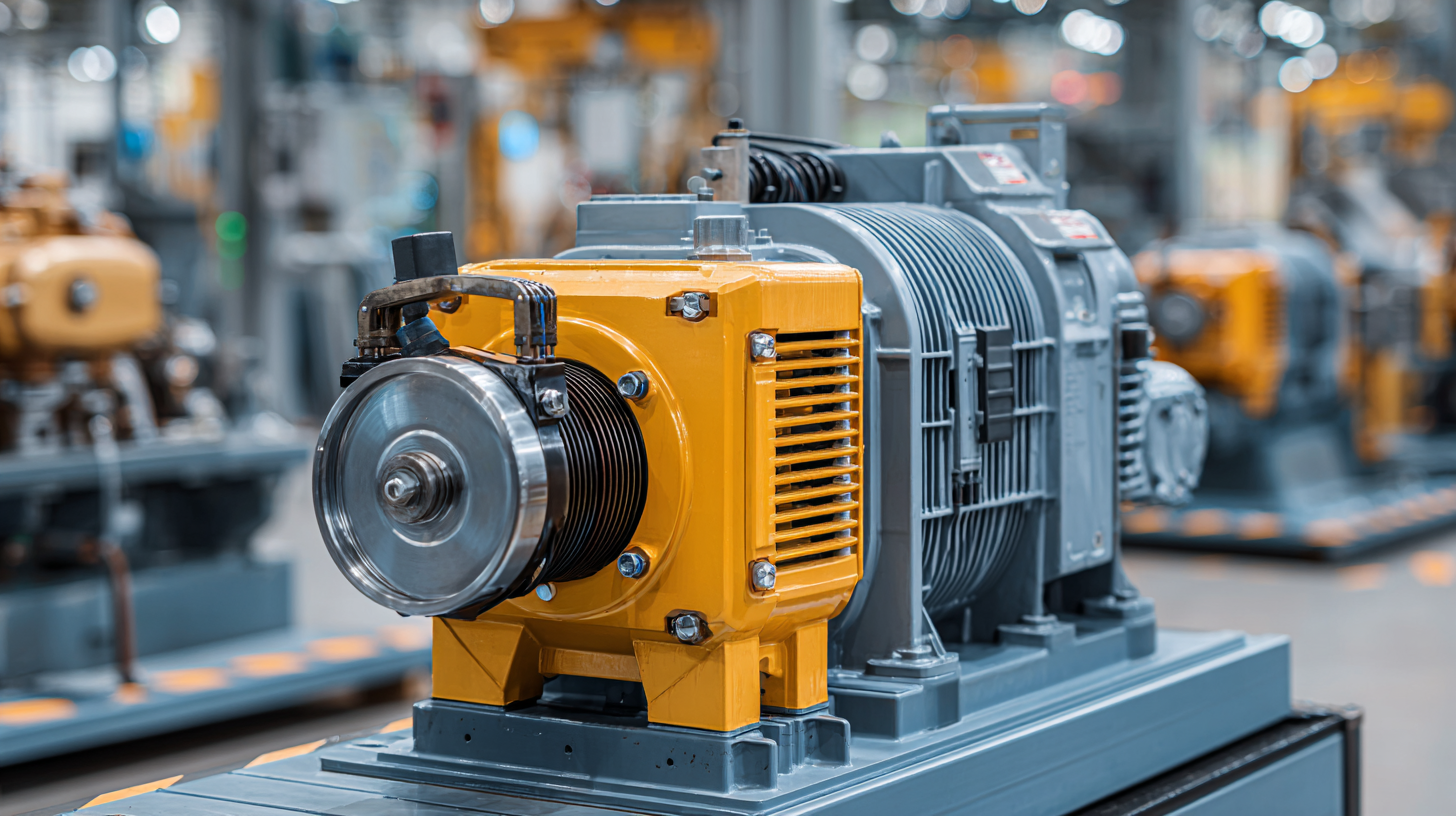
The advancement of power converter technology is poised to significantly impact modern energy systems. Innovations such as wide bandgap semiconductors—including silicon carbide (SiC) and gallium nitride (GaN)—are revolutionizing efficiency and thermal performance in power conversion applications. These materials enable converters to operate at higher voltages and temperatures, thereby increasing power density and reducing overall system size. As a result, renewable energy sources like solar and wind can be more effectively integrated into the grid, enhancing sustainability.
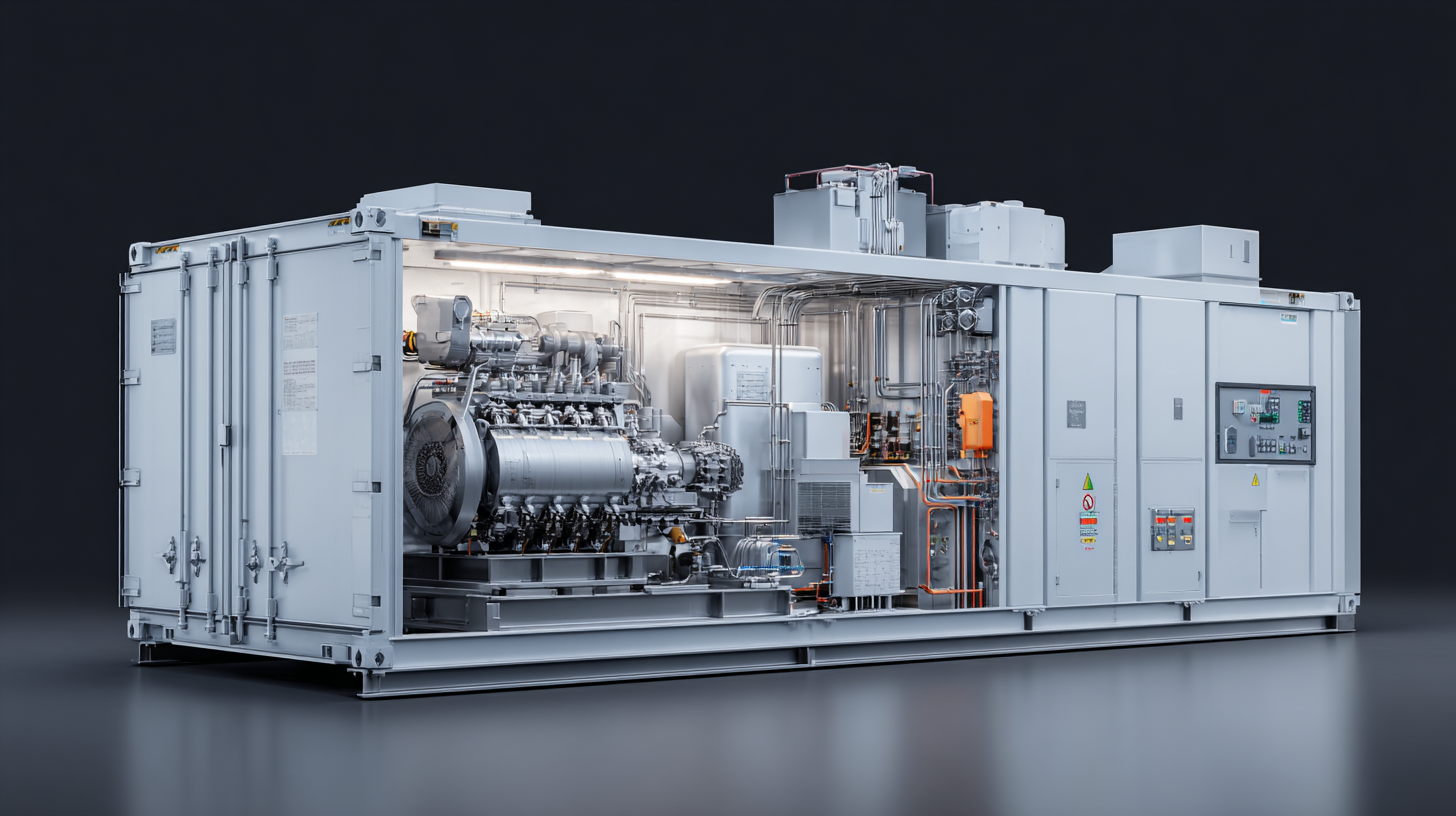
Moreover, the emergence of intelligent power converters equipped with artificial intelligence and machine learning capabilities is paving the way for smarter energy management. These advanced systems not only optimize energy flow but also provide predictive maintenance and adaptive control, significantly improving reliability and efficiency. Additionally, innovations such as modular multilevel converters are facilitating the use of more flexible and scalable power conversion solutions in various applications, from electric vehicles to industrial automation. As these technologies continue to evolve, their implications will extend beyond mere efficiency gains, driving the transformation of energy systems towards greater resilience and sustainability.