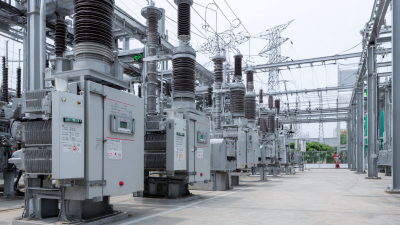
5 Essential Tips for Choosing the Right VFD Phase Converter to Maximize Efficiency
In today's rapidly evolving industrial landscape, the efficiency of machinery and equipment plays a pivotal role in ensuring productivity and cost-effectiveness. One critical component that significantly impacts operational efficiency is the VFD phase converter. According to a report by the Electric Power Research Institute, implementing variable frequency drives (VFDs) can lead to energy savings of up to 50% in specific applications, highlighting the necessity of selecting the right VFD phase converter for optimal performance. With diverse options available in the market, understanding the key factors that influence their selection is paramount for businesses aiming to enhance their operational capabilities. This article outlines five essential tips for choosing the right VFD phase converter, helping manufacturers and facility managers make informed decisions that maximize efficiency and minimize energy costs.
Understanding the Different Types of VFD Phase Converters for Optimal Performance
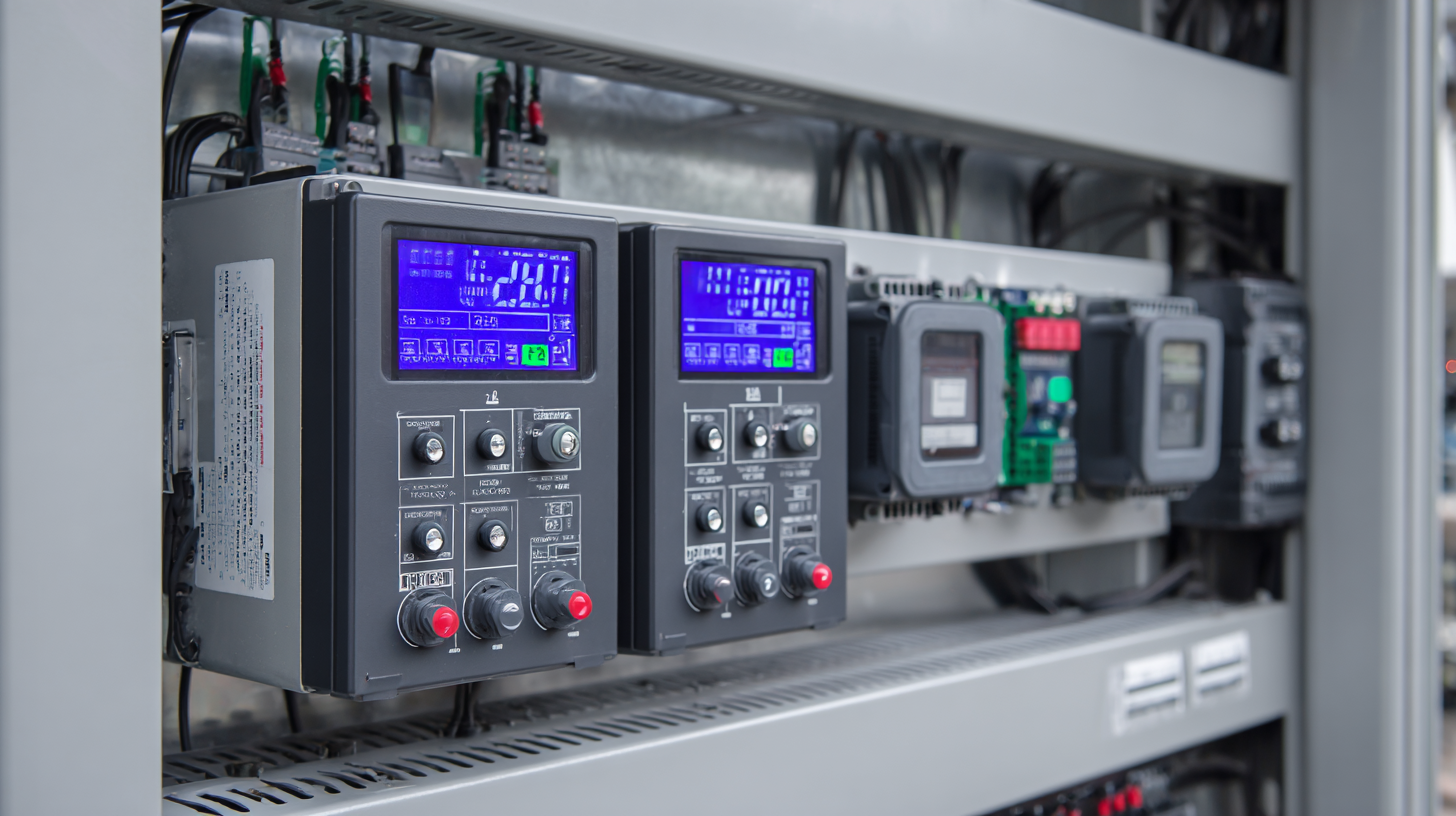
When selecting a Variable Frequency Drive (VFD) phase converter, it's crucial to understand the various types available to optimize performance. The most common types include rotary and static phase converters. Rotary converters are often preferred for their ability to provide a balanced three-phase output, making them ideal for applications with high starting torque requirements, such as heavy machinery. They offer stable voltage and current, effectively managing the load of large motors and ensuring smooth operation.
On the other hand, static phase converters are simpler and more cost-effective, but they come with limitations. While suitable for smaller loads, they typically only run the motor at about two-thirds of its full capacity and may lead to reduced efficiency when dealing with more demanding applications. Choosing the right type depends on the specific motor applications and the overall efficiency goals of the operation, highlighting the importance of assessing load requirements and performance expectations before making a decision. Understanding these differences can lead to better operational efficiency and longevity of equipment.
Efficiency Comparison of Different VFD Phase Converters
This chart shows the efficiency ratings of different types of VFD phase converters. The data represents the average efficiency percentage for various converter types commonly used in industrial applications.
Evaluating Motor Load Requirements: Key Metrics for VFD Efficiency Calculation
Evaluating motor load requirements is crucial when selecting a variable frequency drive (VFD) phase converter. Understanding the specific needs of the motor, including voltage, current ratings, and the nature of the load, can significantly enhance VFD efficiency. Key metrics such as horsepower rating, service factor, and operational duty cycle should be closely examined. These factors impact not only the VFD's performance but also its ability to maintain optimal energy consumption, which is essential in maximizing efficiency.
Furthermore, assessing the application's unique demands, such as startup torque and running speed ranges, helps ensure that the chosen VFD can adapt to variations in load conditions. By accurately calculating these requirements, users can select a converter that aligns with their operational goals and extends the lifespan of both the VFD and the motor. In an industry projected to grow steadily, understanding these metrics becomes increasingly important for companies looking to invest wisely in their equipment.
Importance of Voltage Compatibility: Ensuring Maximum Output from Your Converter
When selecting a VFD (Variable Frequency Drive) phase converter, one of the most critical factors to consider is voltage compatibility. According to a report by the Electric Power Research Institute (EPRI), mismatched voltage levels can lead to significant inefficiencies, potentially reducing the system’s overall performance by up to 30%. This loss in efficiency can result not only in increased energy costs but also in premature wear and tear on electrical components.
It is essential to ensure that the converter's input and output voltage ratings align with the requirements of the connected motor or load. The National Electrical Manufacturers Association (NEMA) emphasizes that using appropriately matched voltage specifications is crucial for maximizing the reliability and lifespan of equipment. Moreover, a study by the International Electrotechnical Commission (IEC) has shown that maintaining voltage compatibility helps in optimizing energy consumption, ensuring that your converter operates under ideal conditions. By prioritizing voltage compatibility, one can enhance the efficiency of the system, leading to substantial long-term savings and improved operational performance.
Assessing Harmonics: Minimizing Distortion for Enhanced Energy Efficiency
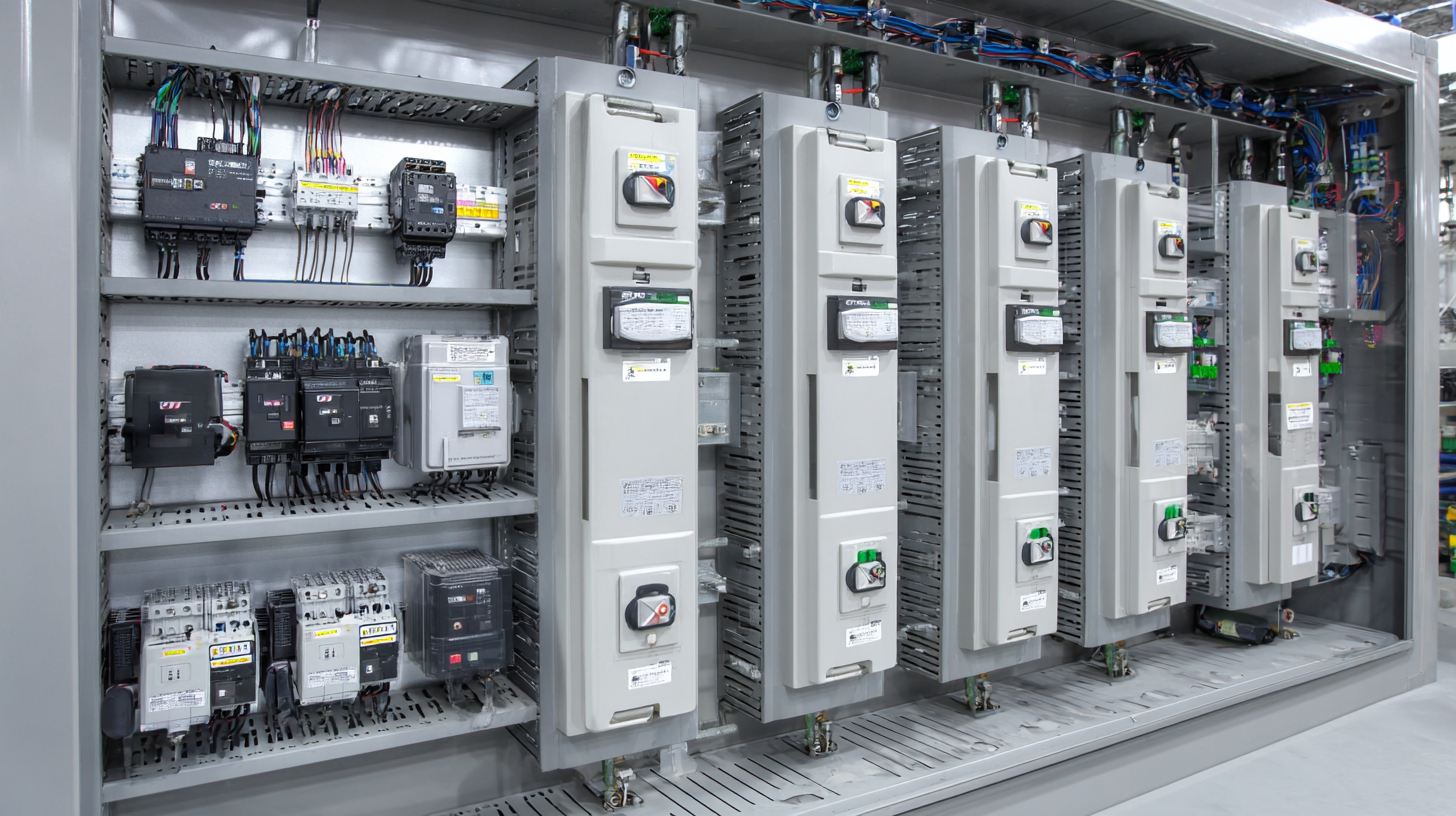
When selecting a VFD phase converter, assessing harmonics is crucial for optimizing energy efficiency. Harmonics arise from non-linear loads and can lead to significant distortion in electrical systems. According to the IEEE 519 standard, excessive harmonic distortion can result in increased heating, equipment failures, and reduced system performance. Maintaining total harmonic distortion (THD) below 5% is often recommended to safeguard efficiency and equipment longevity.
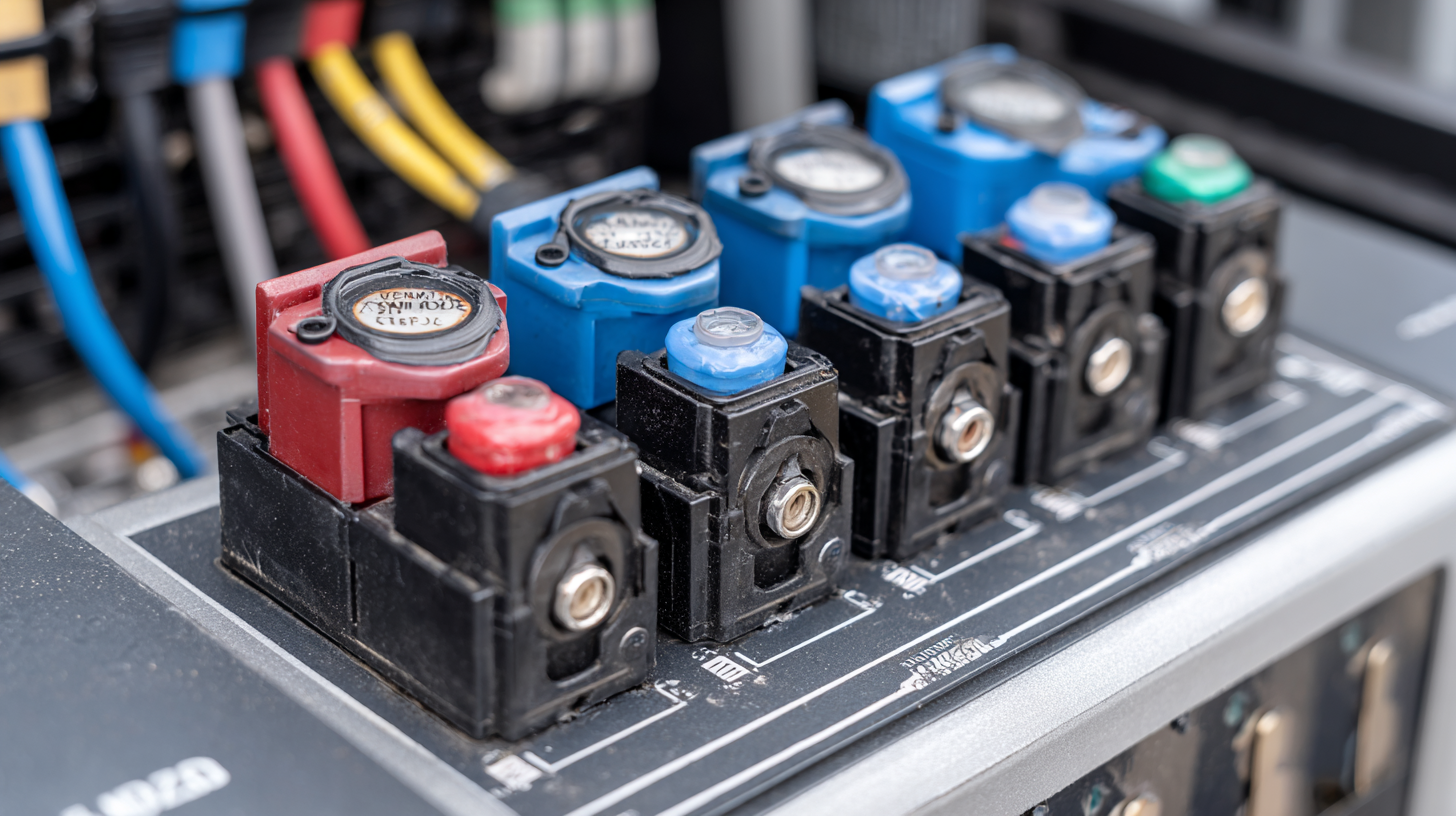
To minimize distortion, consider these essential tips. First, invest in a high-quality VFD phase converter designed with advanced filtering capabilities. This technology can effectively dampen harmonic frequencies, reducing overall THD and enhancing system reliability. Second, implement regular monitoring of harmonics in your electrical system. Utilizing tools such as power quality analyzers can provide valuable insights into your setup's performance, allowing for adjustments as needed. Lastly, ensure that your VFD phase converter is compatible with your specific motor and load requirements to avoid unnecessary harmonic generation.
Incorporating these strategies not only minimizes distortion but also contributes to a more efficient energy footprint. According to a report by the U.S. Department of Energy, addressing harmonics in industrial settings can lead to energy savings of up to 30%. This highlights the importance of choosing the right VFD phase converter, making informed decisions that significantly boost operational efficiency and sustainability.
Budgeting for Maintenance and Upgrades: Long-Term Cost Considerations in VFD Selection
When selecting a Variable Frequency Drive (VFD) phase converter, long-term cost considerations are crucial. Effective budgeting for maintenance and upgrades can significantly influence operational efficiency and overall expenditure. Industry studies indicate that efficient VFD systems can reduce energy consumption by 30-50%, translating into substantial cost savings over time. The initial investment should therefore factor in not just upfront costs but the potential for operational savings through increased efficiency and reduced maintenance needs.
Moreover, regular maintenance is essential to maximizing the lifespan and performance of VFD systems. Reports have shown that systems with proactive maintenance schedules can operate 20-30% more efficiently over their lifetime compared to those without. This data highlights the importance of choosing a VFD that supports easy upgrades and maintenance, ensuring that any investment made today will continue to yield efficiency gains in the future. By prioritizing these cost considerations, businesses can ensure that their VFD choices align with their long-term operational goals and budgetary constraints.
5 Essential Tips for Choosing the Right VFD Phase Converter to Maximize Efficiency
| Tip |
Description |
Cost Considerations |
Maintenance Frequency |
| 1. Determine Power Requirements |
Assess the total horsepower needed based on your application. |
Initial cost may vary based on sizing. |
Annual inspection recommended. |
| 2. Evaluate Phase Conversion Type |
Choose between rotary or static converters based on your needs. |
Consider long-term operational costs. |
Check quarterly for efficiency. |
| 3. Analyze Efficiency Ratings |
Select VFDs with high-efficiency ratings to reduce energy consumption. |
Higher initial cost might save on energy bills. |
Annual efficiency assessment. |
| 4. Consider Control Features |
Look for programmable features to enhance control and flexibility. |
Increased upfront cost for advanced features. |
Periodic updates needed. |
| 5. Plan for Future Upgrades |
Select a VFD that can accommodate future technology advancements. |
Potentially higher installation costs initially. |
Evaluate compatibility during maintenance checks. |