Maximizing Efficiency with the Best Single to Three Phase Converters for Your Business Needs
In today's competitive business landscape, optimizing energy efficiency is paramount, particularly for enterprises relying on varying power supply requirements. As highlighted by the International Energy Agency (IEA), implementing advanced energy technologies can lead to efficiency improvements of up to 30%, subsequently reducing operational costs. One such technology that has gained traction is the single to three phase converter, which allows businesses to adapt their existing single-phase power systems to three-phase configurations, thus enhancing overall performance.
The U.S. Department of Energy reports that the increased use of three-phase systems can improve electric motor efficiency and operational reliability, fostering higher productivity levels. This guide will explore the best single to three phase converters on the market, ensuring your business can harness the full potential of its power infrastructure while maximizing operational efficiency and profitability.
Understanding the Basics of Single and Three Phase Power Systems
Single and three-phase power systems play a crucial role in the efficiency of electrical operations for businesses across various sectors. Single-phase power, typically used in residential applications, provides a simpler and cost-effective solution for low-power needs, generally supporting loads up to 5 kW. According to a report from the Electrical Engineering Research Institute, approximately 70% of small businesses operate primarily on single-phase systems due to their lower installation and maintenance costs. However, as operations scale and power demands increase, the transition to a three-phase system often becomes necessary to ensure adequate power supply and efficiency.
Three-phase power systems, on the other hand, offer significant advantages in terms of reliability and energy efficiency, especially for industrial applications. They can deliver higher power levels sustainably, with the capacity to support loads upwards of 15 kW or more. A study from the International Journal of Electrical Engineering & Technology indicates that three-phase systems can improve energy efficiency by up to 30% compared to their single-phase counterparts, due to reduced losses in transmission and the ability to run larger machinery smoothly. With the growing emphasis on energy efficiency and operational effectiveness, understanding the differences and applications of single and three-phase power is essential for any business aiming to maximize efficiency.
Maximizing Efficiency with the Best Single to Three Phase Converters for Your Business Needs - Understanding the Basics of Single and Three Phase Power Systems
| Converter Type |
Input Phase |
Output Phase |
Power Rating (kW) |
Efficiency (%) |
Typical Applications |
| Static Converter |
Single Phase |
Three Phase |
5 - 30 |
90 - 95 |
Industrial Machinery |
| Rotary Converter |
Single Phase |
Three Phase |
10 - 50 |
85 - 90 |
CNC Machines |
| Phase Converter |
Single Phase |
Three Phase |
5 - 40 |
92 - 96 |
Pumps and Compressors |
| Inverter Converter |
Single Phase |
Three Phase |
1 - 25 |
90 - 97 |
Renewable Energy Systems |
| Digital Rotary Converter |
Single Phase |
Three Phase |
20 - 60 |
95 - 98 |
Heavy Duty Equipment |
Key Benefits of Utilizing Phase Converters in Commercial Applications
Utilizing phase converters in commercial applications offers significant benefits that can enhance operational efficiency and increase productivity. One of the primary advantages is the ability to power three-phase machinery using a single-phase power source. This is particularly beneficial for small to medium-sized businesses that may not have access to three-phase electricity, allowing them to utilize high-performance industrial equipment without the hefty costs associated with upgrading their electrical infrastructure.
Another key benefit is the improved energy efficiency that phase converters provide. By enabling seamless operation of three-phase motors, businesses can reduce energy consumption and minimize waste. This efficient power usage not only leads to lower electricity bills but also contributes to a more sustainable operation by decreasing the overall carbon footprint. Furthermore, the reliability of phase converters ensures that businesses experience fewer disruptions and downtime, which is critical for maintaining consistent production levels and meeting customer demands.
Types of Single to Three Phase Converters and Their Applications
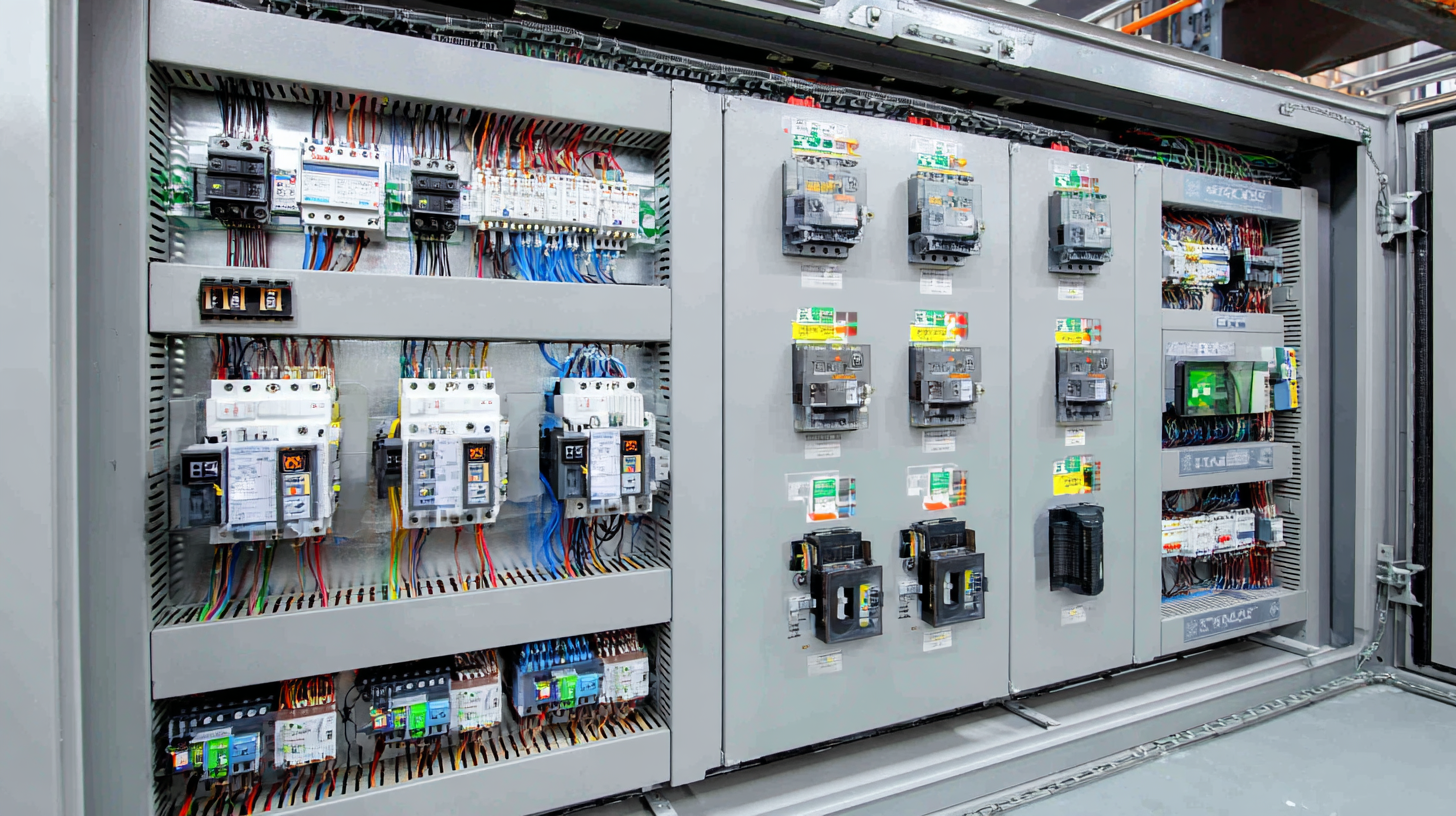
When selecting the best single to three-phase converters for business needs, it's essential to understand the various types available and their specific applications. Single-phase to three-phase converters primarily come in two forms: rotary converters and static converters. The former, often used in applications requiring higher torque and consistent power, can handle multiple types of loads effectively. Static converters, on the other hand, are increasingly popular in modern applications due to their compact size and efficiency. Recent advancements, such as the development of high-efficiency step-up converters for electric vehicle (EV) applications, highlight the industry's push towards optimizing energy conversion across various sectors.
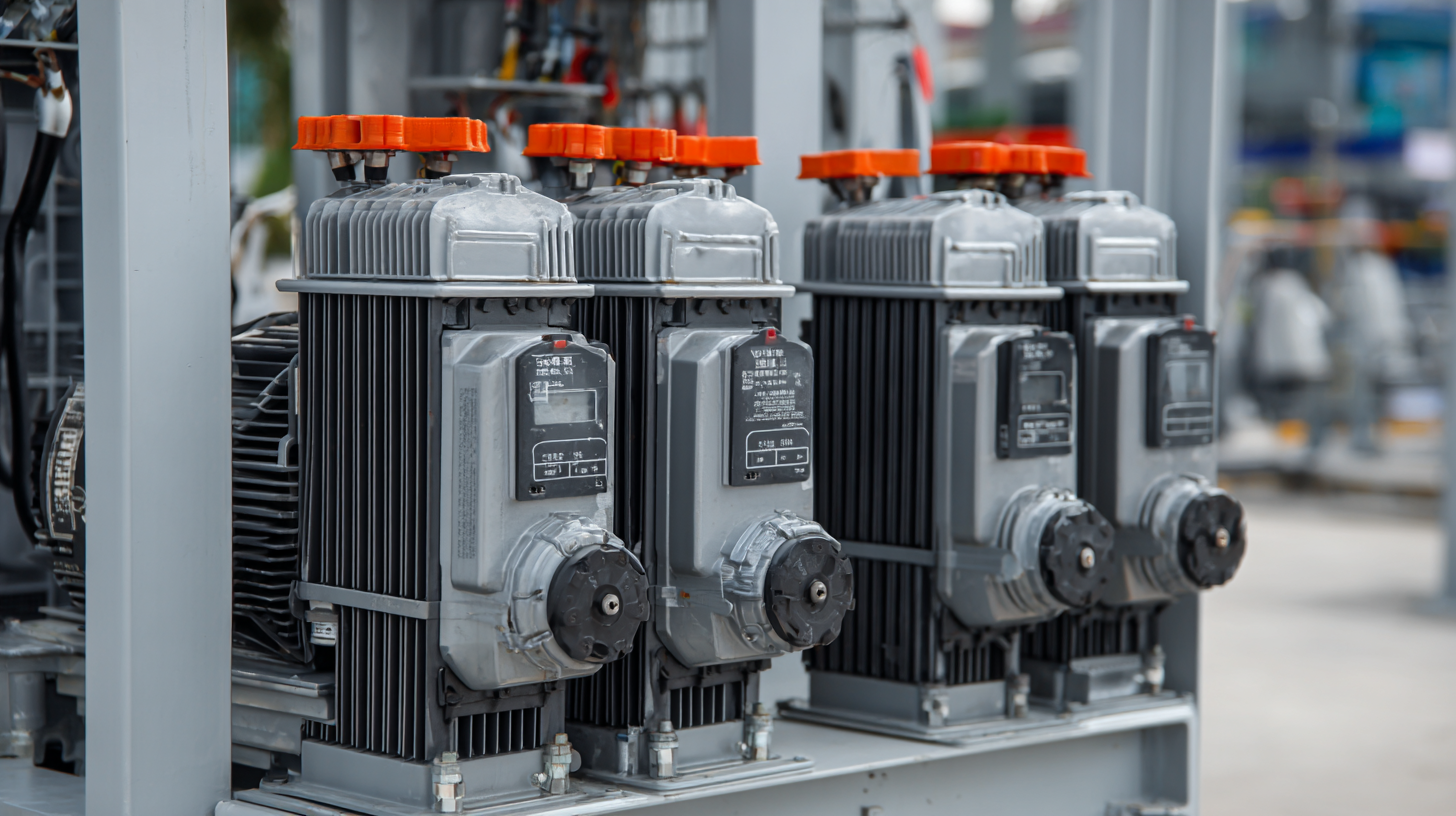
Moreover, ongoing research into the optimization of switching sequences in AC-AC converters plays a critical role in enhancing both safety and performance, particularly in conveyor and automation systems. The importance of this optimization is underscored by a report predicting the data center UPS market size to reach USD 12.47 billion by 2030, showing an increasing demand for reliable power solutions. As technologies continue to evolve, including innovations like the few-shot learning method for fault diagnosis in three-phase converters, businesses can leverage these findings to maximize their operational efficiency and ensure a reliable energy supply for their specific needs.
How to Choose the Right Converter for Your Business Needs
When selecting a single to three-phase converter for your business needs, it's crucial to evaluate your operational requirements and power demands. According to a report by the Electrical Power Research Institute (EPRI), an efficient converter can increase productivity by up to 30% in industrial settings, ensuring that machinery runs smoothly and minimizes downtime. A converter must match or exceed the total loading of your equipment; otherwise, it might not operate at optimal efficiency.
Additionally, consider the specific characteristics of your machinery. A study by the National Electrical Manufacturers Association (NEMA) indicates that using a properly sized converter can lead to significant cost savings, with businesses reporting reductions in energy expenses by as much as 15%. Pay attention to features such as input power compatibility, harmonic distortion, and overload capacity. These factors play a vital role in maintaining equipment longevity and reducing maintenance costs, making informed decisions essential for maximizing efficiency and ensuring a return on investment.
Best Practices for Installing and Maintaining Phase Converters
Proper installation and maintenance of phase converters are crucial for maximizing efficiency in your business operations. When installing a single to three-phase converter, it's essential to select a location that is well-ventilated and free from moisture and dust. The distance between the converter and the machinery it powers should be minimized to reduce voltage drop and potential energy loss. Additionally, ensuring that all electrical connections are secure and that the converter is rated appropriately for your business's electrical load will help prevent overheating and equipment damage.
Routine maintenance further enhances the longevity and performance of your phase converter. Regularly inspect electrical connections for signs of wear or corrosion, and tighten any loose terminals to ensure efficient conductivity. It's also advisable to check the cooling fans and filters for any blockages, keeping them clean to allow for optimal airflow. Scheduling periodic professional inspections can help identify potential issues before they become serious problems, ensuring that your phase converter operates seamlessly and effectively supports your business's power requirements.
Efficiency of Single to Three Phase Converters