Understanding the Mechanisms Behind Single Phase to Three Phase Converters in Modern Energy Systems
As the demand for efficient energy systems continues to rise, understanding the mechanisms behind single phase to three phase converters becomes critical. These converters play a pivotal role in enhancing the performance and reliability of modern electrical systems, particularly in industrial applications where three-phase power is essential.
According to a report by the International Energy Agency, the global market for electric converters is expected to witness a compound annual growth rate (CAGR) of 6% from 2020 to 2025, underscoring the growing reliance on technologies that allow for effective energy conversion. The transition from single to three-phase systems not only improves power distribution but also increases the efficiency of energy utilization, paving the way for advancements in renewable energy integration and smart grid technologies. This blog aims to delve into the intricacies of single phase to three phase converters, exploring their operational principles, advantages, and implications for future energy systems.
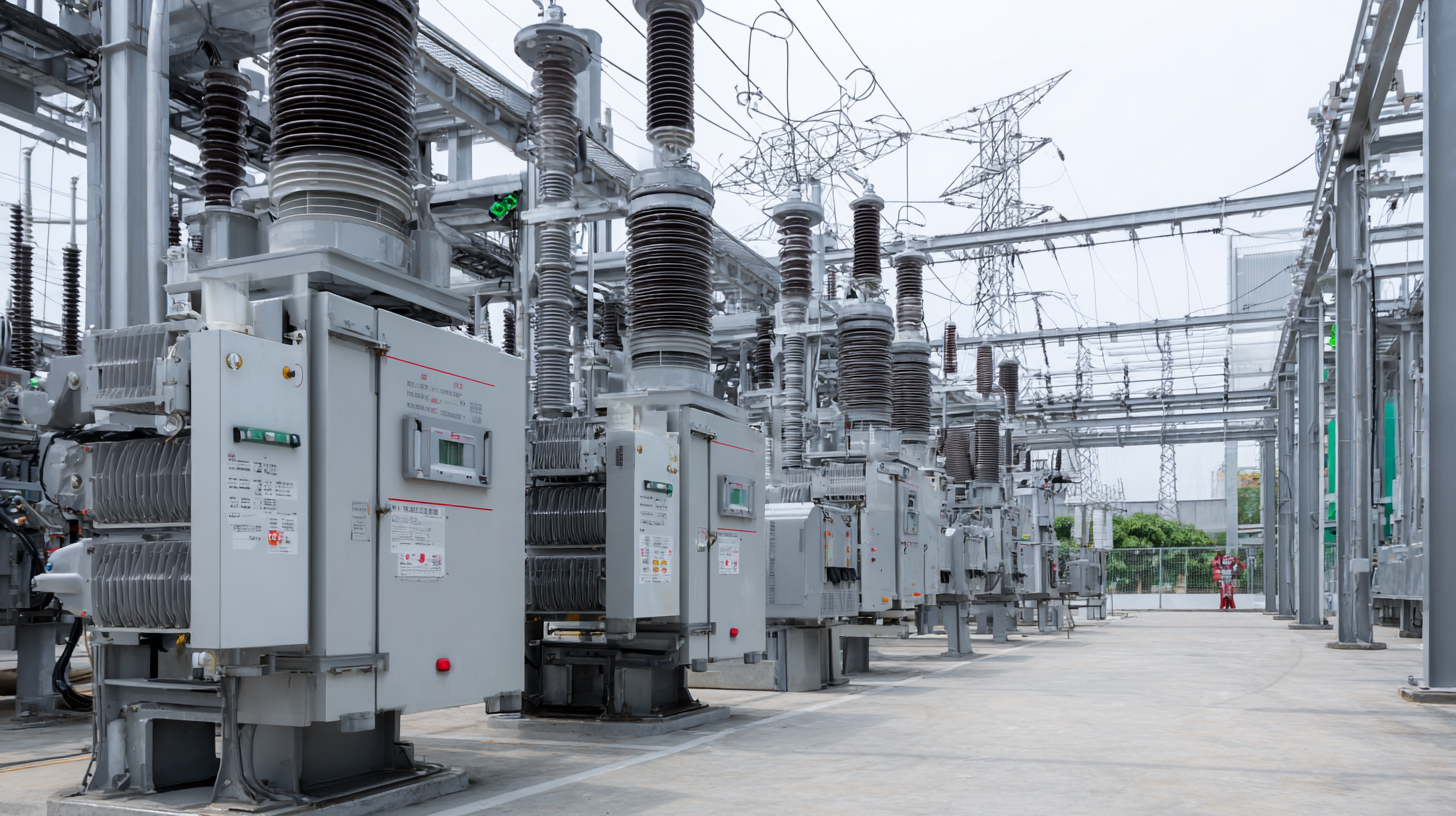
Understanding the Fundamentals of Single Phase and Three Phase Power Systems
In modern energy systems, the distinction between single phase and three phase power systems plays a crucial role in efficiency and performance. Single phase systems are commonly used in residential applications, providing adequate power for everyday appliances. They operate with two wires, delivering alternating current (AC) in a sine waveform, which is suitable for lower power needs. However, when it comes to industrial and commercial applications, three phase systems become indispensable. By utilizing three conductors, these systems deliver a more consistent power flow, reducing flicker and losses often associated with single phase systems.
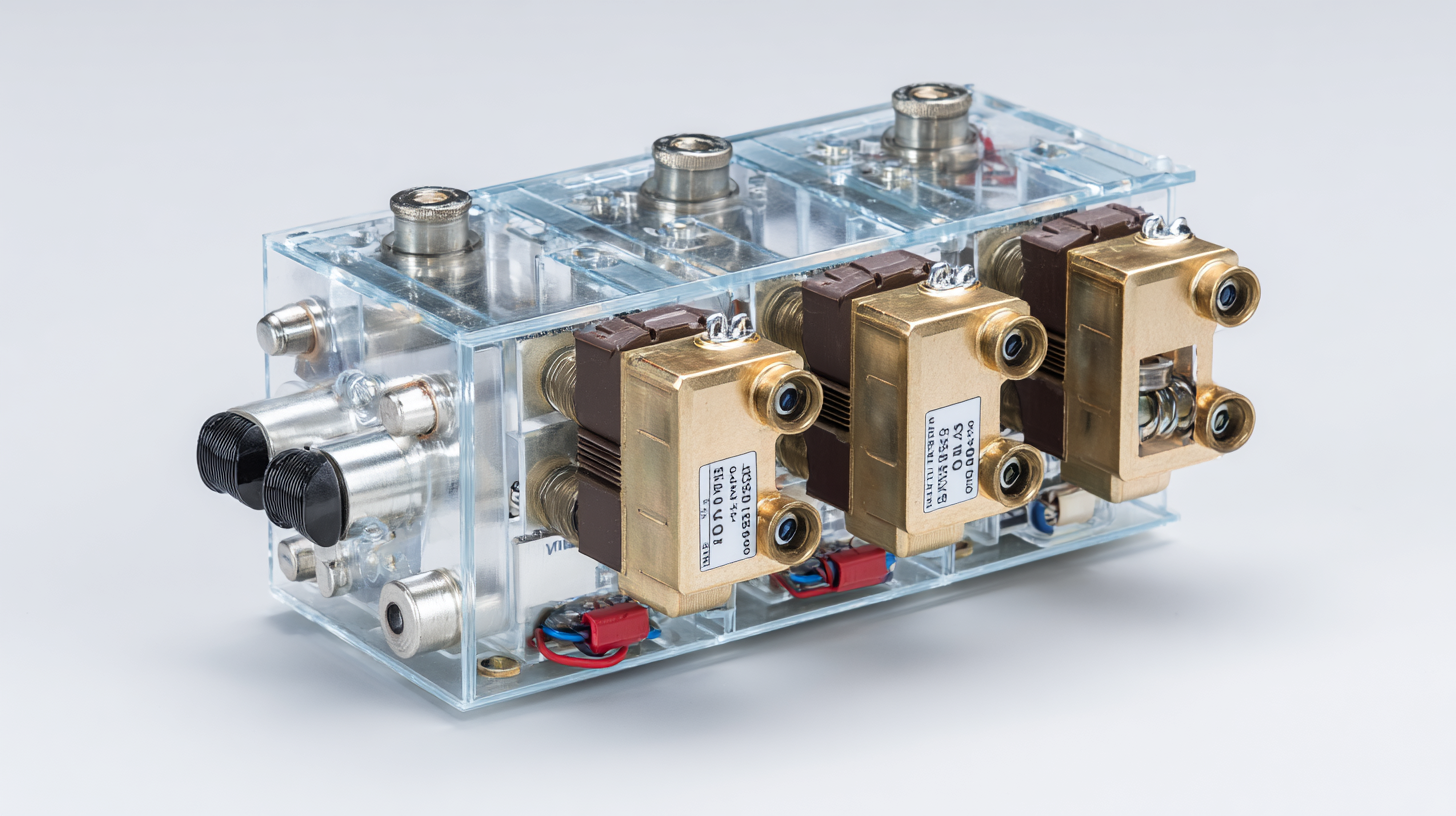
Tips for optimizing your power systems include ensuring proper load balancing in three phase systems, which can prevent equipment damage and increase efficiency. Additionally, when considering a transition from single phase to three phase, it’s essential to evaluate your equipment's specifications and compatibility to avoid any operational issues. Regular maintenance and monitoring of your systems can also help in identifying inefficiencies early, allowing for timely interventions to enhance performance and reliability.
The Role of Power Electronics in Converter Technology for Energy Efficiency
Power electronics play a pivotal role in modern converter technology, particularly when transitioning from single-phase to three-phase systems. By utilizing advanced semiconductor devices, such as insulated gate bipolar transistors (IGBTs) and MOSFETs, these converters manage energy more efficiently and reduce losses. This efficiency is critical in applications ranging from renewable energy integration to industrial motor drives, where maintaining optimal performance is essential for overall energy systems' sustainability.
One of the primary advantages of using power electronics in converters is the ability to control voltage and frequency precisely. This capability not only enhances the conversion process but also ensures that energy utilized is maximized, thereby reducing wastage. Innovative modulation techniques, like pulse-width modulation (PWM), enable smoother operation and better performance, which is increasingly important as industries strive for greener practices. Additionally, these technologies contribute significantly to the grid's stability, allowing for a more resilient energy infrastructure in the face of growing demand and fluctuating supply scenarios.
Key Components and Their Functions in Single to Three Phase Conversion
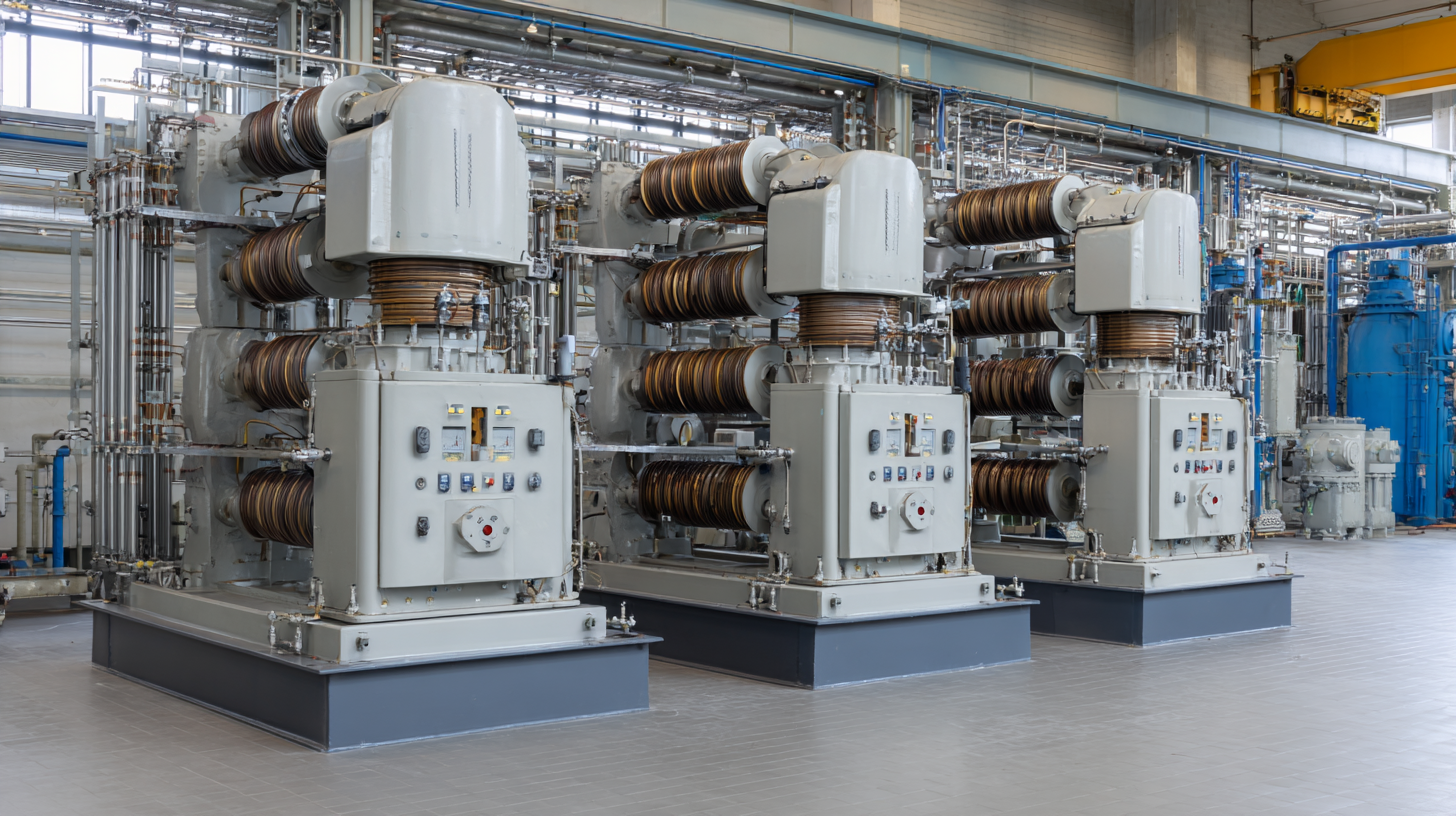 In modern energy systems, the conversion from single-phase to three-phase power is essential for various applications, such as industrial motors and efficient power distribution. The key components involved in this process include the inverter, transformer, and control circuit, each playing a critical role in ensuring smooth and effective conversion. The inverter transforms direct current (DC) into alternating current (AC), which is crucial for enabling the transition from single-phase to three-phase currents.
The transformer then adjusts the voltage levels to match the requirements of the connected equipment, while the control circuit manages the operation and synchronizes the output frequency. Understanding these components and their functions is vital for the reliable performance of modern electrical systems.
Tip: When selecting a single-phase to three-phase converter, consider the total load requirements to ensure the system can handle peak demands without overheating or failing. Additionally, ensure that the inverter's output matches the voltage and frequency standards of your specific equipment to avoid compatibility issues. Proper maintenance of these components is crucial, so schedule regular checks to prevent unexpected downtimes.
Challenges and Solutions in Implementing Phase Converters in Modern Systems
In modern energy systems, the transition from single-phase to three-phase power presents a unique set of challenges. One of the primary difficulties is the compatibility of existing infrastructure. Many residential and small commercial setups originally designed for single-phase power may not accommodate the higher voltage and load capacities required for three-phase systems. This necessitates careful assessment and potential upgrades to transformers and wiring, which can be both costly and time-consuming.
Tip: When considering the implementation of phase converters, prioritize a thorough analysis of your current systems. This can help identify necessary modifications early on, ensuring a smoother transition and minimizing unexpected expenses.
Another challenge lies in the technical complexity of phase converters themselves. While there are various types available, selecting the appropriate converter based on specific load characteristics is crucial. Incorrect sizing or type can lead to inefficiencies and possible equipment damage.
Tip: Work with experienced professionals to evaluate your load demands and recommend the most suitable phase converter. Their expertise can help mitigate risks and ensure optimal performance in your energy system.
Understanding the Mechanisms Behind Single Phase to Three Phase Converters in Modern Energy Systems - Challenges and Solutions in Implementing Phase Converters in Modern Systems
| Dimension |
Value |
Remarks |
| Converter Efficiency |
95% |
High efficiency achieved with advanced control techniques. |
| Power Rating |
10 kW |
Suitable for residential applications. |
| Input Voltage Range |
220V - 240V |
Standard residential voltage range. |
| Output Voltage |
400V |
Ideal for industrial applications. |
| Control Technique |
Vector Control |
Improves performance in dynamic conditions. |
| Major Challenge |
Harmonics |
Requires filtration to comply with IEEE 519 standards. |
| Solution Example |
Active Harmonic Filtering |
Reduces total harmonic distortion effectively. |
Future Trends and Innovations in Single to Three Phase Conversion Technologies
The transition from single-phase to three-phase power systems is revolutionizing energy distribution, with innovations driving efficiency and reliability. As per the International Energy Agency (IEA), the share of three-phase systems in industrial applications is expected to grow by 30% over the next decade, driven by the increasing need for higher power and efficiency in various sectors. Emerging technologies such as advanced inverter designs and digital control systems are at the forefront of this transformation, allowing for smoother conversion processes and enhanced grid stability.
Moreover, the integration of renewable energy sources with three-phase systems presents new opportunities and challenges. A report by the U.S. Department of Energy highlights that nearly 67% of newly installed solar photovoltaic systems are now being designed for three-phase connections, emphasizing the shift towards cleaner sources of energy. Innovations like smart inverters, which can dynamically adjust their output based on grid demands, are essential for maximizing the efficiency of these systems. As the demand for sustainable energy solutions increases, future developments in conversion technologies will be critical in ensuring a seamless transition to more robust and resilient energy infrastructures.