What is a Phase Converter 3 to 1 and How Does It Work?
Phase converters are essential devices in industrial settings. The phase converter 3 to 1 stands out among them. It provides three-phase power from a single-phase source, supporting various equipment. According to a report by the U.S. Department of Energy, three-phase systems enhance efficiency and reliability in motors. This conversion is vital for operating heavy machinery where three-phase power is standard.
In the manufacturing sector, about 75% of industrial processes require three-phase power. Yet, many facilities rely on single-phase sources. The phase converter 3 to 1 bridges this gap, allowing businesses to utilize existing infrastructure efficiently. However, the performance of phase converters can vary widely. Users must understand the specifications to avoid potential issues, such as inadequate power supply or equipment damage.
As industries grow, the demand for reliable power solutions increases. The phase converter 3 to 1 offers a viable alternative. Its capability to adapt single-phase inputs into useful three-phase energy is crucial. Still, operators should remain vigilant in assessing their specific needs. Proper selection and installation can lead to significant savings and operational efficiency.
What is a Phase Converter 3 to 1?
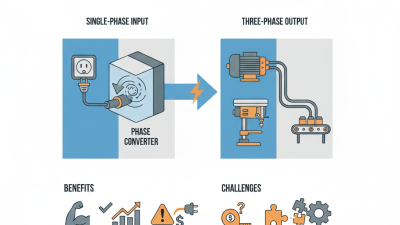
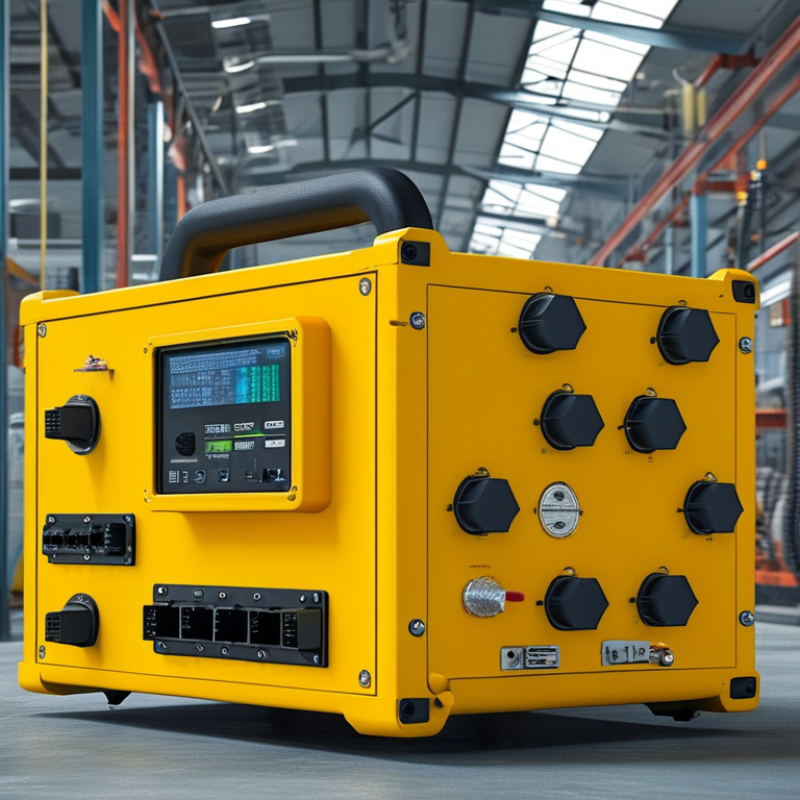
A phase converter 3 to 1 is a device that converts single-phase electrical power to three-phase power. This is essential for running heavy machinery that requires three-phase current. Many industrial applications rely on this type of power for efficiency. Understanding how it functions is crucial for proper installation and usage.
The operation of a 3 to 1 phase converter involves a rotary mechanism. It essentially generates a third phase needed for connected equipment. This converter is particularly useful in settings where three-phase power is not readily available. However, users should keep in mind that some equipment may not perform optimally with a phase converter. It’s important to check compatibility before usage.
Tips: Always consult a professional when installing a phase converter. Proper installation can prevent damage to your equipment. If you're unsure, don’t hesitate to ask for help. Regular maintenance of the converter will ensure longevity and performance. Monitoring the device can help identify potential issues early on.
Phase Converter Performance Analysis
Types of Phase Converters and Their Applications
Phase converters play a crucial role in various industries by enabling the use of three-phase machinery in locations where only single-phase power is available. A 3 to 1 phase converter is one of the most common types, ideal for small to medium-sized operations. It not only helps in running three-phase motors effectively but also ensures a balance between voltage and current, which is vital for efficient operation.
There are mainly three types of phase converters: static, rotary, and digital. Static converters are the simplest. They convert single-phase power to three-phase power during startup. However, they are less efficient for sustained use.
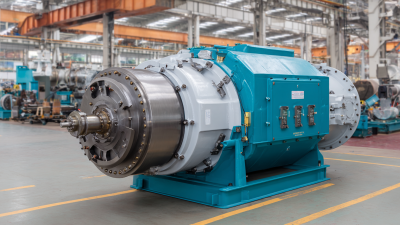
Rotary converters involve a rotating machine that generates three-phase power continuously. They provide better performance for larger motors but require more space and maintenance. Digital phase converters offer superior control and efficiency, adapting to the load dynamically. According to industry data, rotary converters have an efficiency rate of around 95%, making them a favorable choice for industrial applications.
Applications of phase converters vary widely. They are often used in manufacturing facilities, agricultural settings, and workshops. Reports highlight that over 30% of small manufacturers rely on phase converters to operate their equipment. This dependence highlights the significance of understanding the right type of phase converter for each application—a task that may feel intricate yet is essential for optimizing operational efficiency. Selecting the wrong type can lead to underperformance and increased operational costs.
How a Phase Converter 3 to 1 Works: The Mechanism Explained
A phase converter 3 to 1 is an essential device for those needing three-phase power from a single-phase source. Many industrial applications rely on three-phase systems for efficiency and performance. A phase converter allows users to operate three-phase equipment without a direct three-phase power supply. Understanding how it works helps to appreciate its advantages.
The mechanism behind a phase converter 3 to 1 is fascinating. It typically employs a rotating generator system. This generator uses single-phase input to produce a balanced three-phase output. Inside, the converter creates a rotating magnetic field, essential for generating the additional phases. This process ensures a smooth and stable operation, but sometimes, it may not perfectly balance the phases. Users might notice some fluctuations in voltage, which requires careful monitoring.
Performance can vary based on the load. An overload condition could lead to inefficient operation. Therefore, proper sizing and configuration are critical. Regular maintenance is key to prolonging lifespan. Troubleshooting issues should occur promptly to avoid operational disruptions. Awareness of these details contributes to the smooth function of a phase converter and ensures reliability in demanding environments.
Benefits of Using a Phase Converter 3 to 1 in Industrial Settings
In industrial settings, phase converters are essential for powering three-phase equipment from single-phase sources. A 3 to 1 phase converter allows for the conversion of single-phase power to three-phase power in a cost-effective manner. According to the National Electrical Manufacturers Association, around 90% of industrial machines require three-phase power for efficient operation.
Using a 3 to 1 phase converter can significantly enhance productivity. Machines powered by three-phase power typically exhibit less heat and improved torque, leading to a prolonged lifespan and reduced downtime. The installation of such converters can result in energy savings of up to 30%, as they improve equipment performance and optimize energy consumption.
Additionally, the reliability of phase converters should not be overlooked. While they can be an excellent solution, improper installation or sizing can lead to inefficiencies. Research indicates that 15% of industrial sites experience high-energy losses due to incorrect phase converter applications. Regular maintenance and consulting with professionals ensure they operate optimally. Proper attention to detail is key; minor errors can result in significant costs over time.
Installation and Maintenance Tips for Phase Converter 3 to 1
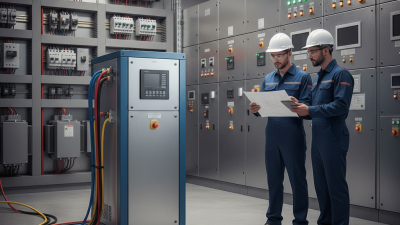
Installing a Phase Converter 3 to 1 can be a straightforward process, but attention to detail is crucial. Before installation, ensure you have the right tools at hand. Check the electrical supply and verify it meets the converter’s requirements. Familiarize yourself with local electrical codes to ensure compliance. Each installation may present unique challenges, so adapt as needed according to your specific setup.
Regular maintenance is essential for longevity. Inspect connections frequently to prevent wear. Look for signs of overheating or loose wiring. These issues can lead to bigger problems later. Performing routine checks, such as cleaning dust and debris away from the converter, helps maintain optimal performance. Listening for unusual noises during operation can also indicate issues that require immediate attention.
Tips: Always keep a maintenance log. Document any issues, repairs, or parts replaced. This practice can help catch recurring problems early. Engage a professional electrician for troubleshooting complex issues. Sometimes, it’s best to seek expert guidance. This ensures safety and reliability, especially for industrial applications.