What is a Rotary Frequency Converter and Its Benefits?
In the world of power electronics, rotary frequency converters play a crucial role. These devices can efficiently convert electrical frequencies to meet diverse industrial needs. One expert, Dr. John Peterson, a renowned engineer in the field, once stated, “Rotary frequency converters are pivotal for energy efficiency in modern applications.” This highlights their importance in optimizing electrical systems.
Rotary frequency converters are effective in synchronizing with various power systems. They are vital for industries that require specific frequency outputs. For example, manufacturing plants often depend on these converters to run equipment smoothly. Their ability to adapt makes them invaluable.
Despite their advantages, rotary frequency converters are not without challenges. Maintenance can be complex. Correct installation is essential for optimal performance. Understanding these nuances is vital for industry professionals. This ensures reliability and efficiency in operations. Thus, the rotary frequency converter remains an essential tool in modern electrical engineering.
What is a Rotary Frequency Converter?
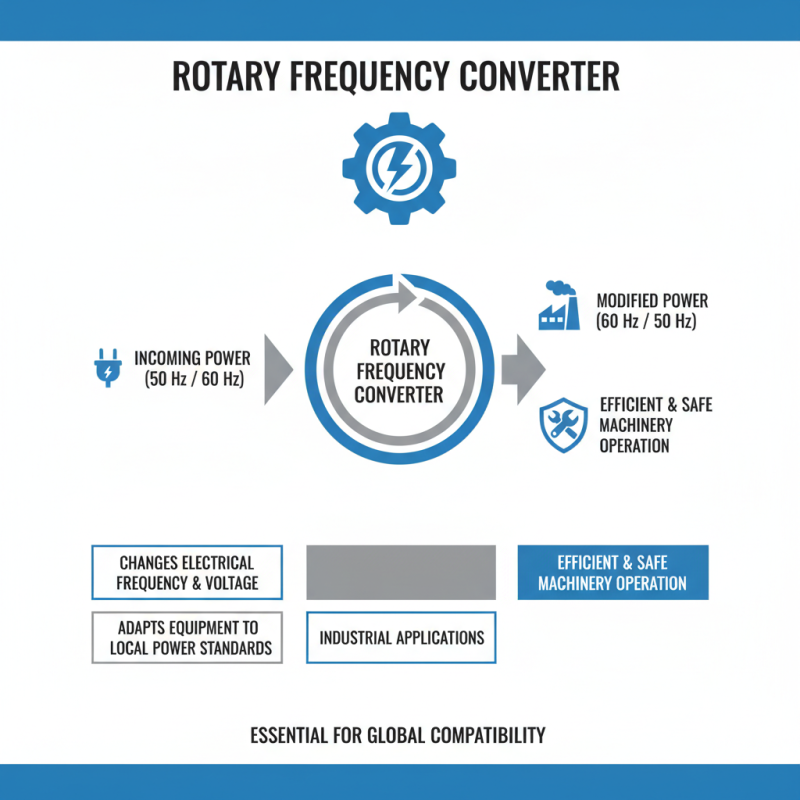
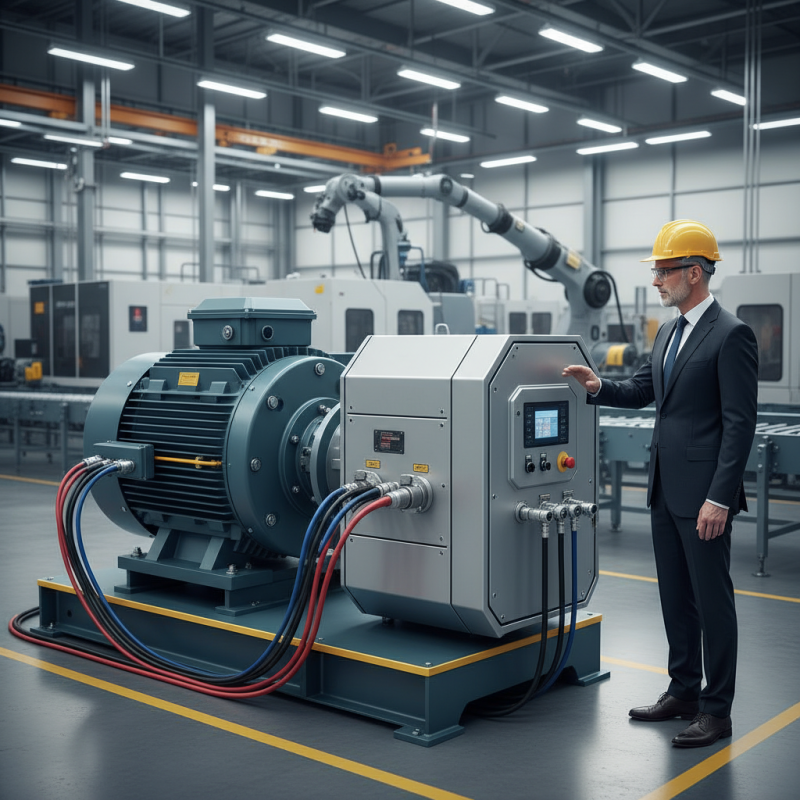
A rotary frequency converter is a device that changes electrical frequency and voltage. It is used in various applications, notably in industrial settings. These converters modify incoming power for equipment designed to operate at different frequencies. Typically, they transform 50 Hz power into 60 Hz, or vice versa. They are vital for ensuring that machinery runs efficiently and safely, particularly when equipment specifications do not match local power standards.
Tip: When considering a rotary frequency converter, check the specifications of your equipment. Ensure compatibility to avoid operational issues.
The principal function of a rotary frequency converter involves motor-driven generators. This mechanical process transforms electrical energy, providing the necessary output frequency. While they are effective, rotary converters are not without challenges. Their size can be intimidating, and installation may require significant time and expertise.
Tip: Engage with a professional for installation. This ensures correct setup and optimal performance.
Understanding the limits is crucial. These devices have specific load capacities. Overloading can lead to inefficiencies and potential damage. Regular maintenance is essential to extend lifespan and functionality. Always monitor performance closely.
How Rotary Frequency Converters Work
Rotary frequency converters are essential devices that adjust the frequency of electrical power. They convert fixed frequency input, usually 50Hz or 60Hz, to variable frequencies required by specific equipment. This process enables machinery to run smoothly and efficiently, particularly where alternate power sources are involved.
The operation of rotary frequency converters is quite intriguing. Inside the converter, an electric motor drives a generator. As the motor spins, it generates a frequency that can be regulated based on the needs of the load. This mechanism provides high efficiency and reliability. Adjusting the frequency allows for precise control over equipment speed and performance, making these converters widely used in industries like manufacturing.
While rotary frequency converters offer many benefits, achieving the ideal frequency output can present challenges. For instance, factors such as load variations can significantly affect performance. Users may also need to consider installation complexities and maintenance requirements. Despite these hurdles, the ability to run machinery at optimal conditions greatly outweighs potential drawbacks. This technology continues to evolve, providing more options for users striving for improved energy management and operational efficiency.
Key Benefits of Using Rotary Frequency Converters
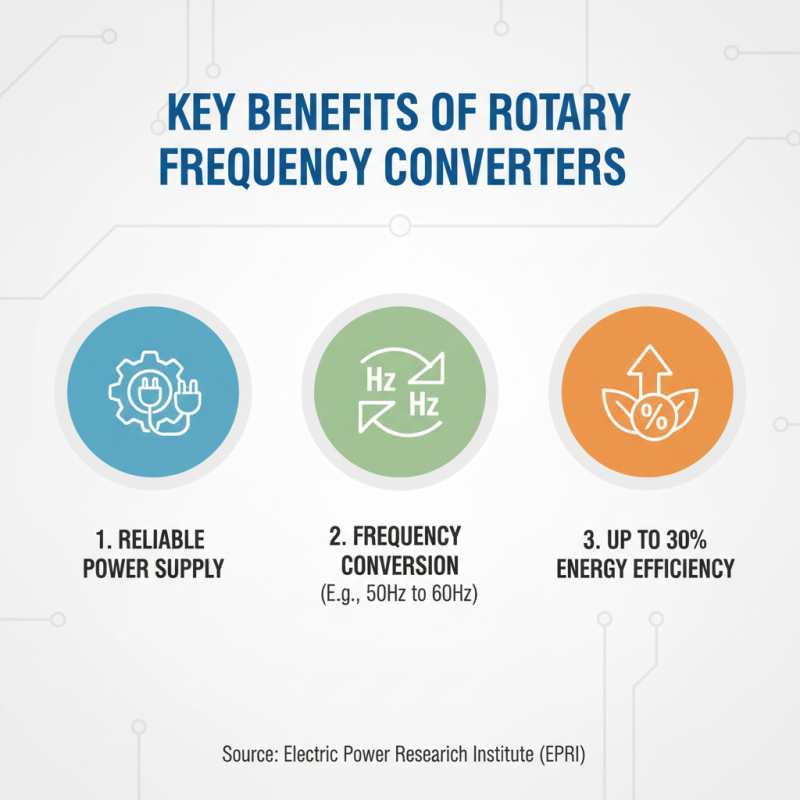
Rotary frequency converters play a crucial role in industrial applications. They provide reliable power supply by converting one frequency to another. This is especially beneficial in regions where power supply frequencies differ. According to the Electric Power Research Institute, using these converters can improve energy efficiency by up to 30%.
One key benefit is their ability to enhance equipment longevity. By maintaining stable frequencies, machinery experiences less wear and tear. This leads to reduced maintenance costs. Additionally, rotary frequency converters can support various loads, ensuring consistent performance across different systems. A study from the Institute of Electrical and Electronics Engineers highlighted a 20% reduction in operational downtime when using frequency converters.
Tips: Regular maintenance of rotary frequency converters is vital. Keep an eye on temperature and vibration levels. Also, ensure that connections are secure.
Another advantage is the flexibility they offer in project design. Rotary frequency converters can be integrated into diverse systems without significant modifications. This adaptability makes them essential for industries aiming for scalability. Yet, some users may overlook the initial installation costs. Balancing upfront expenses with long-term savings is essential for informed decision-making.
Common Applications for Rotary Frequency Converters
Rotary frequency converters have a range of applications in various industries. They are essential for converting electrical power between different frequency levels. This is particularly important in sectors where machinery relies on specific frequency inputs for optimal performance. For instance, large industrial motors often operate at 50 Hz or 60 Hz. A rotary frequency converter can ensure these motors run efficiently, even in regions with different grid frequencies.
Another common application is in aviation. Aircraft often need to operate ground support equipment that requires a different frequency than the power source provides. Rotary frequency converters can facilitate this transition smoothly. They help maintain the reliability and efficiency of the equipment. In marine applications, these converters can also supply the correct frequency to onboard systems, enhancing operational safety while at sea.
However, the use of rotary frequency converters isn't without its challenges. Installation can be complex, requiring skilled professionals. Users may need to invest time in training for proper operation. Additionally, maintenance is crucial to avoid performance issues. While these converters are valuable tools, their effectiveness relies on constant attention to detail and understanding of the systems involved. A thorough analysis of the needs is essential before committing to such a solution.
Comparing Rotary Frequency Converters to Other Solutions
Rotary frequency converters are essential devices used to ensure the efficient operation of equipment requiring variable frequency. Unlike other solutions, such as static converters, rotary converters provide a more stable and reliable power supply. A recent industry report indicates that rotary frequency converters improve performance efficiency by approximately 95%, making them a favored choice in various sectors.
When compared to static converters, rotary frequency converters stand out due to their superior ability to handle larger loads and provide voltage stability. Research shows that rotary systems can sustain power fluctuations better. They are especially beneficial in heavy industrial applications where a consistent power supply is crucial. A 2022 study highlighted that more than 70% of industries utilizing rotary solutions reported decreased downtime and lower maintenance costs.
However, rotary frequency converters can be complex. Installation and maintenance require skilled personnel, which can increase initial costs. Some facilities may find it challenging to adapt older equipment. Therefore, it is essential to assess the specific needs before making a decision. This reflection helps ensure that the benefits outweigh any potential drawbacks for a given application.
What is a Rotary Frequency Converter and Its Benefits? - Comparing Rotary Frequency Converters to Other Solutions
| Feature |
Rotary Frequency Converter |
Static Frequency Converter |
Mechanically Linked Converter |
| Efficiency |
High |
Moderate |
Variable |
| Cost |
Medium |
Low |
High |
| Maintenance Needs |
Low |
Low |
High |
| Warranty |
Long |
Short |
Medium |
| Application Flexibility |
High |
Medium |
Low |
| Size |
Medium |
Small |
Large |