The Future of Energy Solutions Understanding the Importance of Hz Converter Technology
As the global energy landscape continues to evolve, the significance of Hz converter technology becomes increasingly apparent. According to a report by the International Energy Agency (IEA), the demand for flexible energy solutions is projected to grow by over 30% by 2030, emphasizing the need for reliable frequency conversion systems. Hz converters play a pivotal role in integrating renewable energy sources into the existing grid, enabling efficient power management and enhancing overall system stability. With advancements in technology, such as the rise of smart grids and decentralized energy systems, the adoption of Hz converters has never been more crucial. In this context, understanding the future of energy solutions and the importance of Hz converter technology is essential for ensuring efficient energy distribution and fostering sustainable economic growth.
The Role of Hz Converters in Advancing Renewable Energy Systems
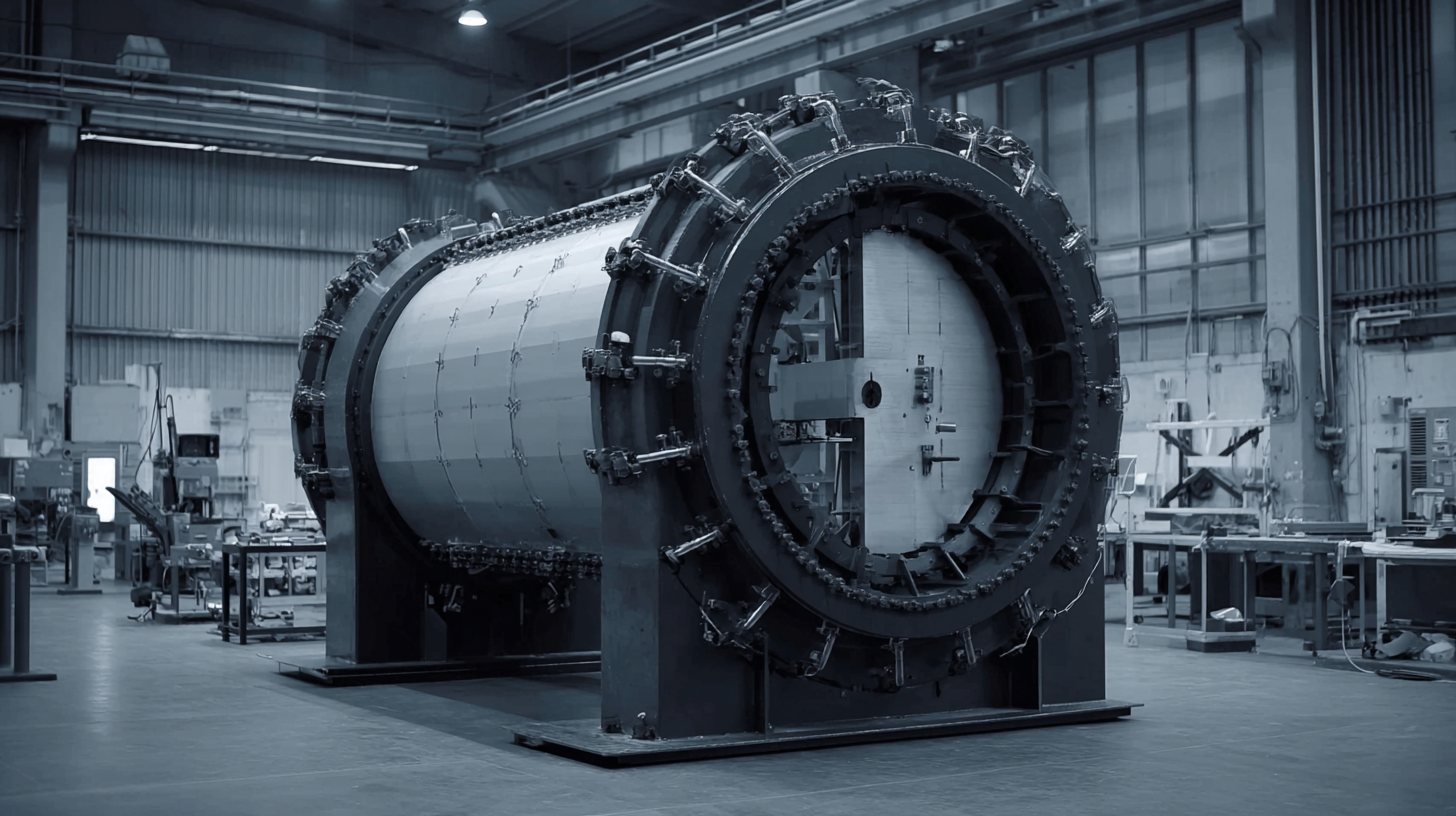 The role of Hz converters is becoming increasingly significant in the landscape of renewable energy systems. As the global transition towards sustainable energy accelerates, there is a pressing need for efficient conversion technologies that can harmonize the varying frequencies of renewable sources, such as wind and solar, with the electrical grids. According to recent reports, the global energy storage power conversion system (PCS) market is projected to grow consistently, reaching approximately USD 5 billion by 2024. This growth underlines the crucial role that advanced conversion technologies, like Hz converters, will play in ensuring the reliability and efficiency of energy systems.
Innovative research and development in electrochemical energy storage systems further emphasize the importance of Hz converters. By improving the integration of renewable energy sources, these technologies help mitigate the intermittency issues commonly associated with solar and wind power generation. The advancements made by leading research institutions highlight the interdisciplinary approach needed to elevate energy conversion efficiency, contributing significantly to the deployment of smart grid solutions. As technology continues to evolve, Hz converters will be at the forefront, facilitating a more resilient and sustainable energy future.
Key Benefits of Implementing Hz Converter Technology in Modern Grids
The implementation of Hz converter technology is transforming modern energy grids by enhancing efficiency and reliability. According to a report by the International Energy Agency (IEA), integrating this technology can improve grid stability and reduce energy losses by up to 30%. Hz converters facilitate the connection between different frequency systems, enabling seamless energy exchange and optimizing power distribution across regions with varying energy sources and consumption patterns.
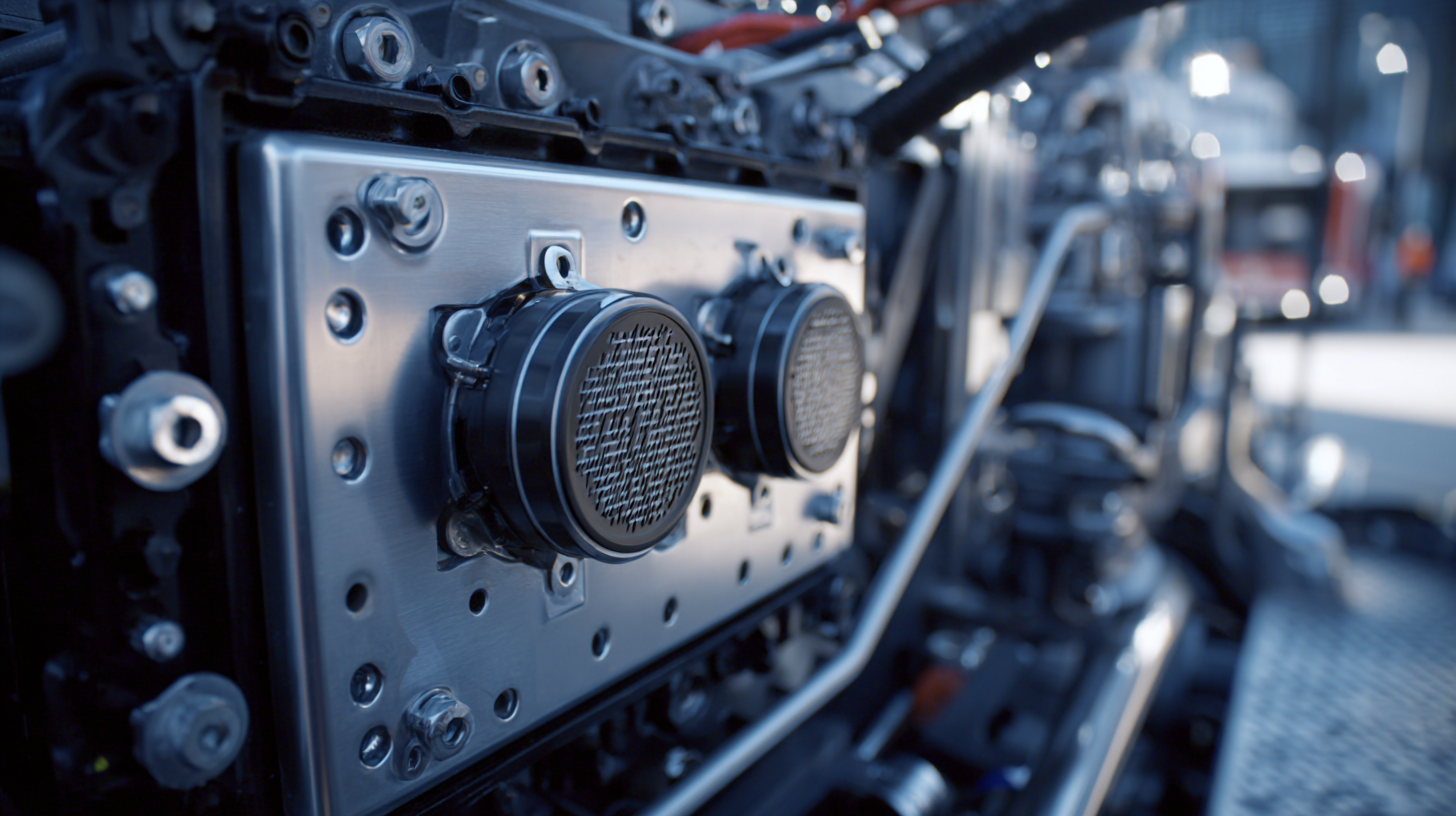
Furthermore, the adoption of Hz converter technology can significantly advance renewable energy integration. A study from the Renewable Energy World indicated that incorporating these converters in wind and solar power systems increases energy output flexibility by 25%. This capability allows grid operators to manage fluctuations in energy generation more effectively, ensuring a consistent and reliable supply of clean energy. As nations strive to meet decarbonization goals, the strategic implementation of Hz converter technology will play a critical role in supporting sustainable energy infrastructure and facilitating the transition to a low-carbon future.
Step-by-Step Guide to Selecting the Right Hz Converter for Your Needs
Selecting the right Hz converter is crucial in optimizing energy systems, especially as industries shift toward more efficient technologies. A step-by-step approach can help streamline this process. Begin by identifying your power needs and the specifications of your existing equipment. For instance, different applications may require varying frequency conversions, and understanding whether you need an inverter or a transformer will guide your decision-making. Reports indicate that a well-chosen Hz converter can improve energy efficiency by up to 30%, showcasing the potential benefits of informed selection.
Next, evaluate the converter's compatibility with your energy supply infrastructure. The efficiency ratings, load capacity, and operational lifespan are critical factors to consider. It's advisable to refer to industry standards and studies which suggest that regular maintenance can extend the life of these converters by 15% to 20%. Additionally, consider the manufacturer's reputation and service support, as these elements significantly impact long-term performance and reliability. By following these steps, you can ensure that your choice of Hz converter not only meets immediate operational needs but also contributes to sustained energy efficiency and cost savings.
The Future of Energy Solutions: Understanding the Importance of Hz Converter Technology
| Converter Type |
Input Frequency (Hz) |
Output Frequency (Hz) |
Power Rating (kW) |
Efficiency (%) |
Applications |
| Single Phase Hz Converter |
50 |
60 |
5 |
90 |
Small Motors, Home Appliances |
| Three Phase Hz Converter |
50 |
60 |
15 |
92 |
Industrial Equipment, Pumps |
| High-Frequency Converter |
60 |
400 |
10 |
95 |
Telecommunications, Data Centers |
| Variable Frequency Drive |
50 |
Adjustable |
20 |
97 |
HVAC Systems, Conveyors |
Integrating Hz Converters with Energy Storage Solutions for Optimal Performance
As the energy landscape continues to evolve, integrating Hz converters with energy storage solutions emerges as a pivotal strategy for enhancing performance and efficiency. Hz converters enable the conversion of frequencies to match the energy requirements of various systems, making them essential in modern energy management. When paired with robust energy storage solutions, these converters help in optimizing the dispatch of stored energy, ensuring a more stable and reliable energy supply.
Tips for successfully integrating Hz converters with energy storage solutions include assessing the specific frequency requirements of your system and choosing the appropriate converter model. Additionally, ensure that the energy storage component is designed to work seamlessly with the Hz converter to minimize energy loss. Regular maintenance and performance evaluation are also crucial to achieve optimal efficiency.
Implementing a smart grid approach can further enhance the synergy between Hz converters and energy storage. By leveraging real-time data analytics, users can monitor energy flow and make informed decisions about energy distribution. This integration not only improves energy reliability but also contributes to sustainability goals by maximizing the use of renewable resources.
The Future of Energy Solutions
This chart illustrates the integration of Hz converter technology with energy storage solutions, highlighting their performance across various energy sources. The data showcases the efficiency of Hz converters paired with different energy storage methods to optimize overall energy management.
Future Trends and Innovations in Hz Converter Technology for Sustainable Energy
The future of energy solutions is significantly influenced by advancements in Hz converter technology, particularly within the context of renewable energy sources like solar, wind, and hydrogen. Breakthrough innovations in these areas offer promising opportunities for enhancing energy efficiency and reliability. For instance, development in energy storage systems has demonstrated the crucial role of Power Conversion Systems (PCS) that facilitate the integration of renewable sources into the grid. As the global market for PCS is expected to grow from USD 5 billion in 2024, this demonstrates a robust demand for efficient energy management systems.
However, the transition to sustainable energy is not without its challenges. The recent regulatory changes, such as the One Big Beautiful Bill Act, have impacted investments in renewables, creating uncertainty in the market. This landscape requires stakeholders to embrace green innovation and entrepreneurship, focusing on reduced carbon emissions while upgrading energy market dynamics. Furthermore, emerging technologies in microalgae biofuel generation and automotive catalytic converters reflect a broader trend of innovation responding to environmental demands. Engaging deeply with these transformations offers potential pathways for sustainable growth amidst the dual carbon era's challenges.