Top 10 Artificial Lift Technologies for Oil and Gas Production?
The global demand for oil and gas continues to rise, making efficient extraction essential. In this context, Artificial Lift Technologies play a crucial role. They enhance oil recovery and optimize production rates in various environments. According to a recent report by the International Energy Agency, these technologies can increase oil recovery by up to 20% in certain fields.
Experts like Dr. Sarah D. Thompson highlight the significance of advancements in this sector. She states, "Innovative Artificial Lift Technologies can transform the efficiency of oil extraction." This statement reflects the industry's shift toward more sustainable and efficient solutions. Many companies are investing in these technologies to adapt to market changes and environmental pressures.
However, there are challenges. Implementing the latest technologies can be costly. Not all operators possess the capital required for such advancements. This gap can lead to inconsistencies in production efficiency. As the market evolves, embracing Artificial Lift Technologies remains both an opportunity and a challenge that requires careful reflection.
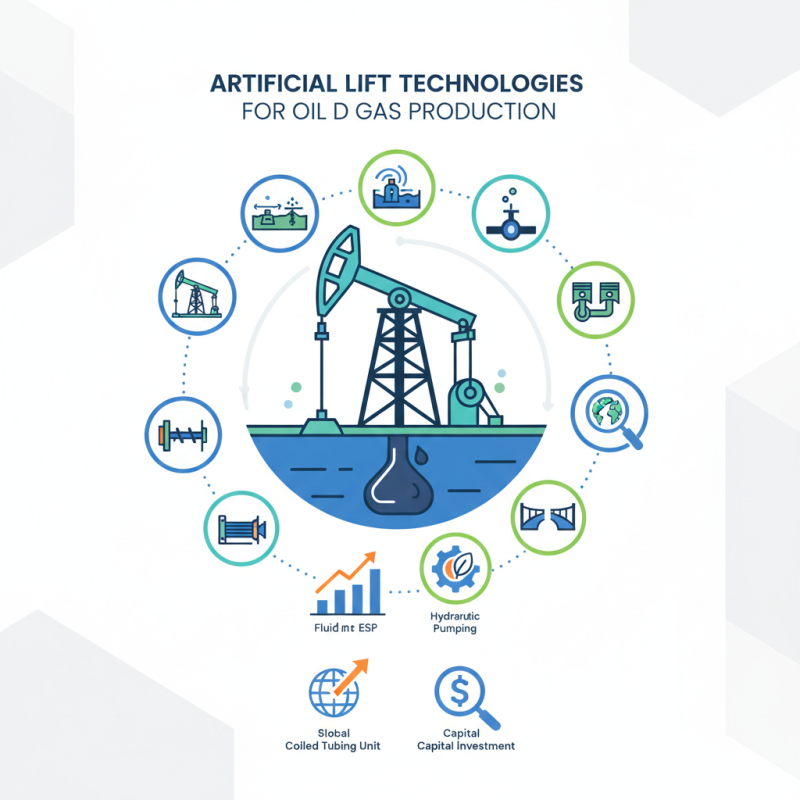
Overview of Artificial Lift Technologies in Oil and Gas Industry
Artificial lift technologies play a crucial role in oil and gas production. These methods enhance the flow of hydrocarbons from wells. Various techniques exist, each with unique applications and benefits. Pump systems, such as rod pumps, are commonly used. They provide reliable performance but may encounter mechanical failures. This can lead to costly downtime and repairs.
Gas lift is another effective technique. It utilizes injected gas to reduce fluid density, allowing hydrocarbons to flow more easily. The simplicity of gas lift systems is appealing, but proper gas management is critical. If not managed well, it could lead to inefficiencies.
Progressive cavity pumps offer a different approach. These pumps excel in viscous fluids, providing consistent flow rates. Yet, they come with high maintenance needs, particularly in harsh environments. Exploring new technologies may help overcome these challenges. Innovation is necessary for improving efficiency and reducing costs in Artificial Lift Systems.
Top 10 Artificial Lift Technologies in Oil and Gas Production
Factors Influencing the Choice of Artificial Lift Methods
The choice of artificial lift methods in oil and gas production is not straightforward. Several factors come into play. One key aspect is the reservoir characteristics. For example, gas shows higher productivity. In contrast, heavy oil reservoirs may require different techniques for effective extraction. A report from the Society of Petroleum Engineers indicates that over 80% of reservoirs experience pressure decline, emphasizing the need for effective lift systems.
Operational costs are another critical element. Companies seek methods that balance efficiency and expenditure. According to recent industry data, production costs can rise by up to 30% with improper lift method selection. Additionally, environmental considerations are increasingly pivotal, as organizations aim to minimize their carbon footprint.
The experience and expertise of the workforce can greatly influence method choice. Knowledge gaps may lead to suboptimal decisions. Training in artificial lift technologies can bridge this gap. A lack of skilled personnel can hinder production efficiency. Addressing these issues can significantly improve the overall performance of production systems. Balancing these factors is essential for optimal decision-making.
Detailed Analysis of Successful Pump Types: ESP, PCP, and Gas Lift
In the realm of oil and gas production, artificial lift technologies play a vital role. Among them, Electric Submersible Pumps (ESPs) are popular for their efficiency. These pumps extract fluids from great depths, yet they may struggle in certain conditions. Their high energy demand can influence operating costs significantly.
Progressing Cavity Pumps (PCPs) present another option. They are known for their adaptability in various fluid types. These pumps excel in low-flow conditions, which is useful for certain reservoirs. However, the complexity of maintenance leads to downtime. Many operators find they require frequent repairs, which can hinder production efficiency.
Gas lift systems are also essential. They utilize gas injection to reduce fluid density. This method enhances flow rates effectively. However, this technique requires careful balancing of gas and liquid ratios. An improper mix can lead to inefficiencies, and operators must monitor the system closely to avoid issues.
Each method has its pros and cons, and selecting the right pump type shouldn't be taken lightly.
Performance Metrics and Economic Impact of Artificial Lift Systems
Artificial lift technologies are crucial for enhancing oil and gas production. These systems improve the flow of hydrocarbons from wells. Their efficiency can be measured through various performance metrics, such as production rate and downtime. Understanding these metrics helps in budgeting and cost analysis for projects.
Different artificial lift methods, like gas lift or electrical submersible pumps, have unique economic impacts. Gas lift systems may provide lower operational costs in certain conditions. However, they can also lead to increased maintenance needs. Electrical submersible pumps can boost production significantly. Yet, their initial installation costs can be high.
Companies often wrestle with the decision on which system to implement. Performance metrics can differ widely based on well conditions. In some cases, underperformance leads to reevaluation. Striking the right balance between cost and efficiency remains a persistent challenge. Each option presents its own set of pros and cons to consider.
Future Trends and Innovations in Artificial Lift Technologies
Artificial lift technologies play a pivotal role in enhancing oil and gas production. As the industry evolves, new trends are emerging. Recent advancements focus on improving efficiency and reducing environmental impact. Innovative methods are being tested, like the integration of artificial intelligence and IoT. These technologies facilitate real-time monitoring and predictive maintenance, which could transform operational practices.
Another noteworthy trend is the use of renewable energy sources in powering artificial lift systems. Solar and wind energy are being explored to reduce the carbon footprint of extraction processes. However, these innovations require significant investment and adjustments in existing infrastructure. The transition to greener solutions isn't always smooth. Challenges such as reliability and integration with conventional systems must be addressed. Ongoing research may seem promising, yet the practical implementation is complex.
In conclusion, the future of artificial lift technologies is filled with potential. New techniques and sustainable practices could reshape the industry. However, the path to innovation is not without hurdles. The balance between efficiency, cost, and environmental responsibility remains a critical focus. Constant reflection on these challenges is essential for meaningful progress.
