Top 5 Benefits of a Single Phase to 3 Phase Converter?
The transition from a single phase to a three phase system is pivotal in modern electrical applications. Data from the International Electrotechnical Commission indicates that approximately 80% of industrial motors operate on three-phase power. This statistic underscores the importance of adopting a single phase to 3 phase converter, especially in settings that require robustness and efficiency.
Industry expert Dr. Emily Lane, a renowned electrical engineer, states, "Using a converter can unlock vast potential in power distribution." Her insight highlights the growing trend of manufacturers and businesses migrating to three-phase systems to enhance performance and reduce operational costs.
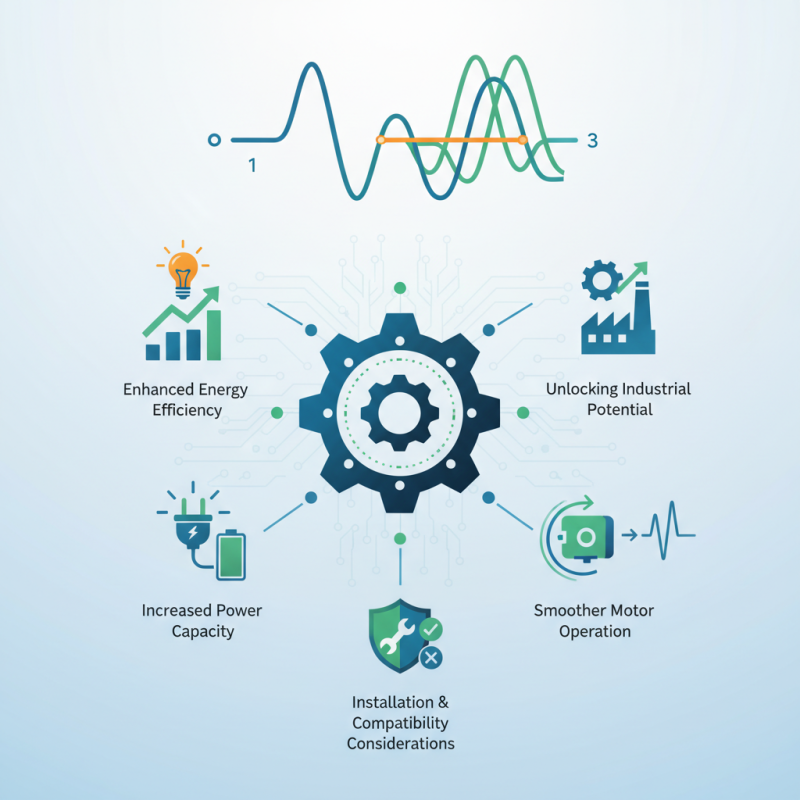
Furthermore, there are tangible benefits associated with this conversion. Enhanced energy efficiency, increased power capacity, and smoother motor operation are just a few advantages. However, some may overlook the need for proper installation and system compatibility, which can lead to challenges. Careful consideration is essential, as the switch can be both beneficial and complex.
Understanding Single Phase and 3 Phase Systems
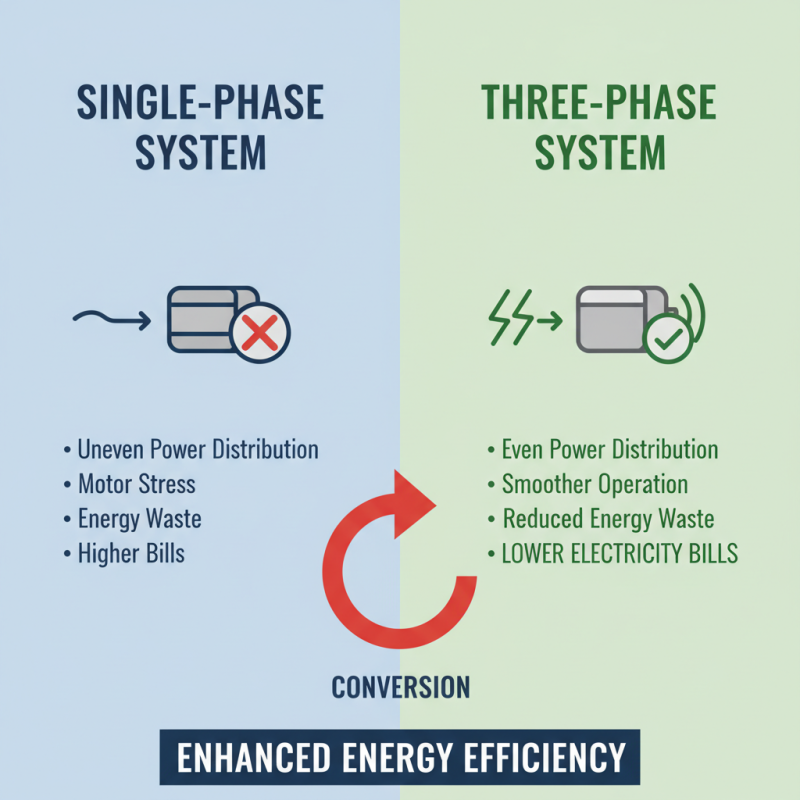
Single-phase and three-phase systems are foundational in electrical engineering. In a single-phase system, power is delivered through two wires. This system is common in homes and small businesses. It provides basic power needs but lacks efficiency for heavy machinery. Approximately 70% of industrial applications utilize three-phase systems due to their superior performance.
Three-phase systems deliver power through three wires. They allow for continuous power flow and better load balancing. This efficiency results in a reduction of energy losses. According to industry data, three-phase motors are 20-30% more efficient than their single-phase counterparts. This efficiency is crucial in industrial applications where power demand is high.
There may be challenges when converting single-phase to three-phase power. For instance, compatibility issues can arise with existing equipment. Furthermore, the initial setup costs can be significant. However, the long-term benefits often outweigh these initial drawbacks. Better performance, reduced energy costs, and increased equipment lifespan are just a few advantages observed. Addressing conversion issues can lead to optimized operations and cost savings for businesses.
Key Advantages of Converting Single Phase to 3 Phase Power
Converting single phase to 3 phase power can transform your electrical systems. Many don't realize how much more efficient 3 phase power is. It delivers consistent energy flow, reducing fluctuations. This stability is crucial for machinery that requires reliable performance. You'll notice less downtime, which can improve productivity.
Another key advantage is the capacity for higher loads. A 3 phase system can handle larger motors and equipment. This allows for the use of more powerful tools without overloading the system. It's important to match the converter with your specific needs. If done incorrectly, the equipment may not perform optimally.
Additionally, a 3 phase converter can provide better energy efficiency. More efficient systems reduce overall energy costs. However, there may be installation challenges. Proper planning is needed to accommodate your existing setup. Upgrading isn't just about power; it's about making smarter choices.
Improved Performance of Motor-Driven Appliances with 3 Phase Power
The improved performance of motor-driven appliances with three-phase power is a significant advantage of using a single-phase to three-phase converter. Three-phase systems generally provide more power and run smoother than their single-phase counterparts. Motors operating on three-phase power can produce higher torque at startup. This is crucial for heavy machinery requiring a robust power supply.
Industry reports show that three-phase motors are about 20-30% more efficient than single-phase motors. They also have a longer lifespan since they run cooler due to better power distribution. This leads to less wear and tear over time. However, transitioning from single to three-phase can be a complex process. It’s essential to ensure that the converter is properly rated for the load, or efficiency can suffer.
Many users overlook the need for proper installation. Improper wiring can lead to unbalanced phases, causing poor performance. The investment in high-quality converters pays off in the long run. Energy savings and reduced maintenance costs often outweigh initial expenses. While it might seem overwhelming, understanding the core benefits can lead to better decisions in equipment management.
Top 5 Benefits of a Single Phase to 3 Phase Converter
| Benefit |
Description |
Impact on Performance |
| Increased Efficiency |
3-phase motors operate more efficiently than single-phase motors due to better torque and reduced losses. |
Higher output with less energy consumption. |
| Improved Torque |
3-phase power delivers constant torque, which is crucial for heavy machinery and critical applications. |
Smoother operation and less vibration in motor-driven appliances. |
| Reduced Load Current |
3-phase connections allow for a reduction in current load per phase, enhancing performance. |
Lower risk of overheating and prolongs lifespan of equipment. |
| Less Electrical Noise |
3-phase systems produce less electrical interference, resulting in quieter operation. |
Improved working environment and protection for sensitive equipment. |
| Enhanced Equipment Longevity |
Due to lower operating temperatures and reduced mechanical stress, equipment tends to last longer with 3-phase power. |
Decreased maintenance costs and downtime. |
Cost-Effectiveness of Implementing a 3 Phase Converter Solution
Implementing a three-phase converter can significantly enhance efficiency and reduce costs in various industrial applications. A 2021 report noted that businesses utilizing three-phase power saw energy savings of up to 20%. This is due to the reduced power loss during transmission, which is a crucial aspect for any manufacturing setup. The investment in a three-phase converter has a payback period of around 12 to 18 months, making it a financially sound decision.
Moreover, the initial costs may seem high, but companies often overlook the long-term savings. Fewer disruptions occur thanks to the stable power supply, which means less downtime. A stable system can increase productivity by 15% on average. Maintenance costs can also drop as three-phase systems require less frequent repairs. Companies assessing their options often find that the total cost of ownership for three-phase systems is lower.
However, the transition is not without challenges. Some businesses might face compatibility issues with existing single-phase equipment. Upgrades and adjustments may be necessary. Weighing the costs of these modifications against expected savings is critical for rational decision-making. Organizations must carefully evaluate their unique situations to ensure they are making the most informed choice.