Top 10 Benefits of Using a 3 Phase Converter for Your Business?
In today's industrial landscape, the efficiency of power systems has never been more critical. "A 3 phase converter is essential for any business looking to optimize productivity," says John Clarke, a renowned electrical engineer with over 20 years of experience in power systems. His insights emphasize the importance of integrating this technology for various industrial applications.
The benefits of using a 3 phase converter extend far beyond just efficiency. They can enhance equipment lifespan, reduce operational costs, and improve the overall performance of machinery. However, many businesses still overlook these advantages, often sticking to outdated single-phase systems. This oversight can lead to suboptimal operations and wasted energy.
While transitioning to a 3 phase converter may initially seem daunting, the long-term gains are undeniable. Investing in a reliable 3 phase converter not only boosts productivity but also enhances operational stability. Yet, companies must reflect on their specific needs and evaluate their current systems before making this important investment.
Top Benefits of Improved Energy Efficiency with 3 Phase Converters
Using a 3 phase converter can significantly enhance energy efficiency in industrial settings. According to a report by the U.S. Department of Energy, equipment connected to a three-phase system operates more efficiently than its single-phase counterparts. This results in reduced energy consumption, which directly impacts operational costs.
A notable benefit lies in the reduced power losses. Three-phase systems distribute electricity more evenly, which minimizes the energy wasted as heat. A study conducted by the IEEE indicated that three-phase motors can achieve up to 20% higher efficiency compared to single-phase motors. This increase not only lowers utility bills but also extends equipment lifespan due to less overheating.
Moreover, companies can achieve smoother operation during peak loads. With a 3 phase converter, businesses can avoid the high demand charges associated with single-phase power systems. However, transitioning to a three-phase system is not without its challenges. Initial installation costs and the need for infrastructure upgrades must be carefully considered. Some businesses may experience interruptions during the switch, requiring thorough planning and expert consultation.
Increased Equipment Lifespan Through Stable Power Supply
Using a three-phase converter can significantly extend the lifespan of your equipment. One of the primary benefits is the stable power supply it provides. Fluctuations in power can lead to wear and tear, causing premature equipment failure. With consistent voltage and balanced power, machinery runs more efficiently. This stability not only preserves the internal components but also encourages optimal performance.
Consider these tips for maximizing your equipment’s lifespan. Regular maintenance is essential. Schedule inspections to identify potential issues early. This proactive approach reduces costly downtime. Additionally, ensure that the converter is correctly sized for your machinery. An undersized converter may struggle, leading to inefficiencies. On the other hand, an oversized unit can generate unnecessary energy losses.
It’s also crucial to monitor the operating conditions. Keep an eye on temperature and humidity levels in your facility. Extreme conditions can affect performance, even with a three-phase converter. Over time, you may notice a difference in efficiency if environmental factors fluctuate. While three-phase converters offer numerous benefits, they are not a cure-all. Regular assessment of equipment performance remains key to longevity.
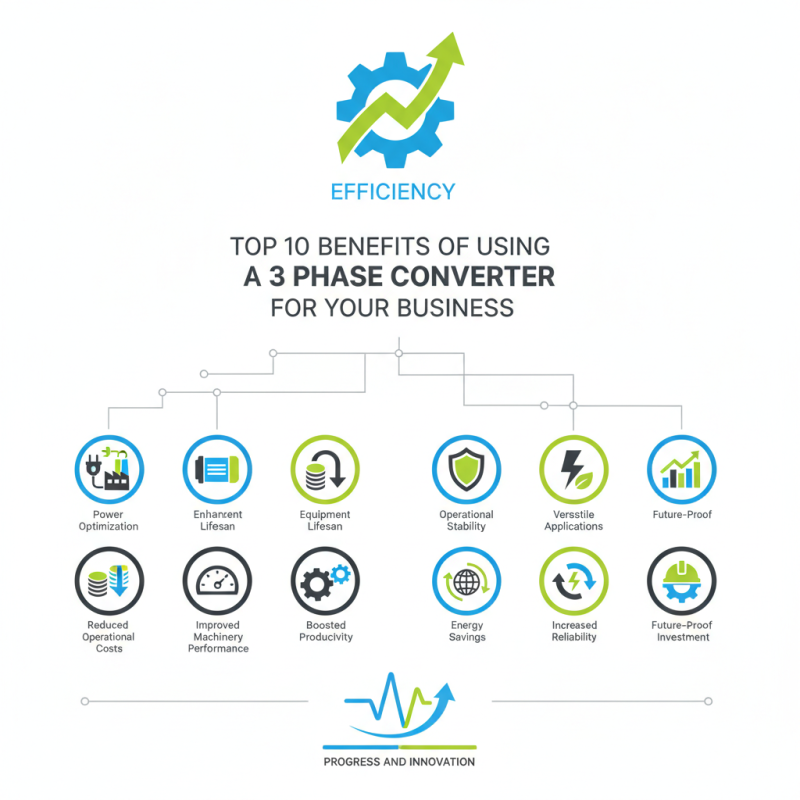
Top 10 Benefits of Using a 3 Phase Converter for Your Business
| Benefit |
Description |
Impact on Equipment Lifespan |
| Stable Power Supply |
Provides consistent voltage and current, reducing power fluctuations. |
Minimizes wear and tear on electrical components. |
| Increased Efficiency |
Optimizes energy consumption for machinery. |
Extends operational hours before maintenance is needed. |
| Reduced Operating Costs |
Lower electricity bills and minimized downtime. |
Longer intervals between repairs. |
| Versatility |
Can power various types of three-phase equipment. |
Supports different machinery without modifying setup. |
| Improved Power Factor |
Enhances the efficiency of power use. |
Reduces the strain on electrical systems and equipment. |
| Longer Lifespan of Equipment |
Less overheating and arc damage. |
Increases overall lifespan of machinery by 20% or more. |
| Easier Maintenance |
Simplified troubleshooting and repair. |
Reduces maintenance costs and time. |
| Reduced Noise Pollution |
Quieter operation compared to single-phase systems. |
Improves working conditions and reduces noise fatigue. |
| Higher Start-up Torque |
Better performance when starting heavy loads. |
Minimizes the risk of motor failure during start-up. |
| Improved Electrical Balance |
Distributes power evenly across phases. |
Reduces electrical imbalances that can cause damage. |
Cost Savings on Electricity Bills: Analyzing the Financial Impact
Using a 3 phase converter can significantly affect your business's electricity costs. According to industry reports, operations utilizing three-phase power can reduce energy expenses by up to 30%. This reduction arises from efficient power usage and lower operational costs. Businesses often overlook how converting single-phase systems to three-phase can streamline electricity supply, improving efficiency.
Consider the financial implications. The primary energy savings come from the reduced need for large transformers. Smaller transformers consume less energy. This shift can lead to noticeable reductions in electricity bills over time. It's crucial to assess the long-term savings against the initial setup costs.
Tip: Regularly monitor your electricity usage. Identifying patterns helps optimize usage. You may find areas for improvement that enhance savings.
Another vital point is load balancing. Distributing loads across phases prevents overload and prolongs equipment life. Data from energy management studies indicate that balanced loads can improve efficiency by as much as 20%. This not only saves money but also fosters a more sustainable operation.
Tip: Invest in energy management tools. Tracking consumption trends provides insights into efficiency improvements that can lead to significant savings.
Top 10 Benefits of Using a 3 Phase Converter for Your Business
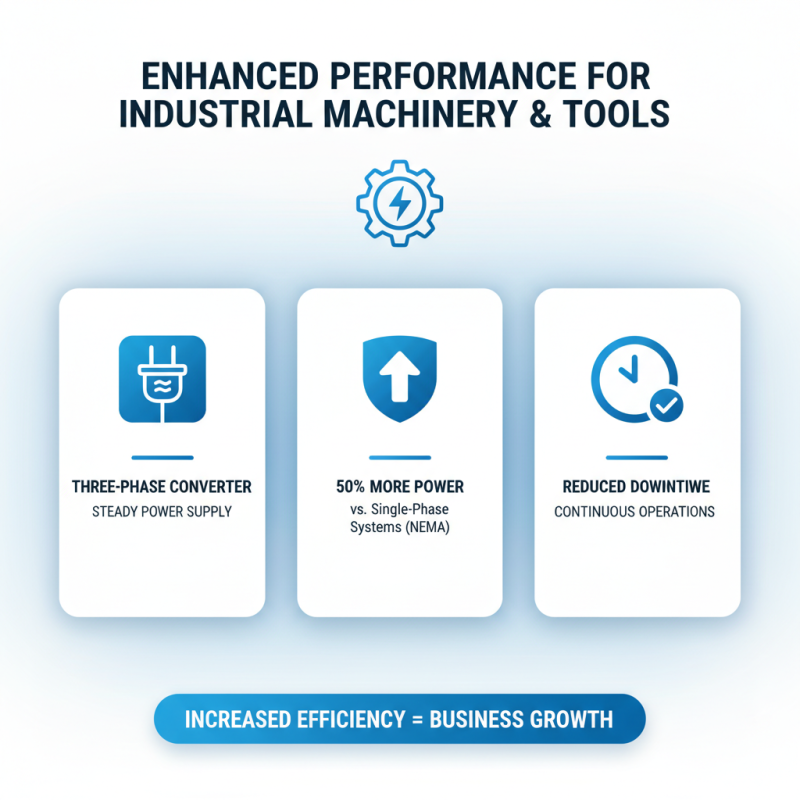
Enhanced Performance for Industrial Machinery and Tools
Utilizing a three-phase converter can significantly enhance the performance of industrial machinery and tools. This technology provides a steady power supply necessary for heavy-duty equipment, reducing the risk of downtime. According to the National Electrical Manufacturers Association, three-phase systems can deliver up to 50% more power than single-phase systems. This increased efficiency is crucial for businesses relying on continuous operations.
A recent survey by the Industrial Electric Motor Systems Consortium highlights that businesses using three-phase power circuits report up to 20% lower energy costs. Additionally, these converters facilitate smoother operation of equipment, which can lead to longer service life. However, some facilities may experience issues if they lack proper installation. Ensuring that your equipment matches system specifications is vital.
Tip: Regular maintenance of your converter and machinery helps identify potential issues early.
Investing in a three-phase converter presents benefits, but not all users maximize the potential. Some users underestimate load balancing. If machines are not balanced correctly, the performance gains can diminish. Proper assessment of your requirements ensures optimal usage of the converter.
Tip: Consult with an expert to evaluate your specific needs before installation.
Simplifying Power Management in Business Operations and Facilities
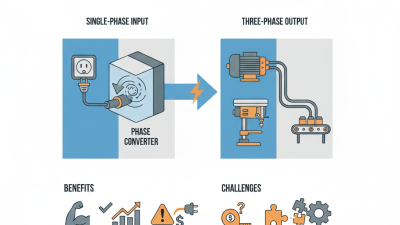
Managing power effectively is crucial for any business. A 3 phase converter simplifies this task, enhancing operational efficiency. By converting single-phase power to three-phase power, it allows businesses to utilize more complex machinery. This increased capacity can lead to greater productivity.
Many businesses overlook the importance of load balancing. It's vital to distribute electrical loads evenly. A 3 phase converter helps achieve this. It reduces strain on individual components, improving lifespan and performance. Regular maintenance is key. Check connections and components frequently to avoid unexpected downtime.
Consider energy costs as well. A 3 phase system can lead to lower utility bills. However, initial setup can be complex. It's beneficial to consult with a qualified electrician. They often provide valuable insights into optimizing your power management system. This proactive approach can prevent costly mistakes.