China Best 3 Phase Power Converter Suppliers?

Choosing the best China 3 phase power converter suppliers requires more than comparing catalog prices. A dependable supplier should demonstrate practical experience with industrial loads, renewable energy systems, motor drives, and backup power applications. Product claims matter, but test records matter more.

Look for converters that handle real operating conditions, including voltage fluctuations, heat, dust, and sudden load changes. Ask whether each unit has completed full-load testing, thermal checks, efficiency measurements, and protection verification. Details such as input range, output stability, cooling method, communication ports, enclosure rating, and service life should be clearly documented. A serious manufacturer can explain these specifications without hiding behind vague marketing language.

Supplier evaluation should also include factory capability, engineering support, quality controls, and after-sales response. Request sample inspection reports, production photos, warranty terms, and references from similar projects. Independent certification and compliance documentation can strengthen confidence, but certificates should be checked against the exact model. Not every large factory is the right partner. Some smaller suppliers may offer stronger customization and faster communication.

A useful comparison should examine more than the lowest quotation. Consider delivery consistency, spare-parts availability, software support, and the supplier’s ability to solve faults remotely. For example, a converter installed in a hot workshop may need different cooling protection than one used in a clean data room. This article will compare leading Chinese suppliers through practical, technical, and reliability-focused criteria. The ranking may not suit every buyer, because project conditions differ. That limitation deserves attention.
China Best 3 Phase Power Converter Suppliers?

Three-Phase Power Converters: 400 V, 50 Hz Systems and Core Functions

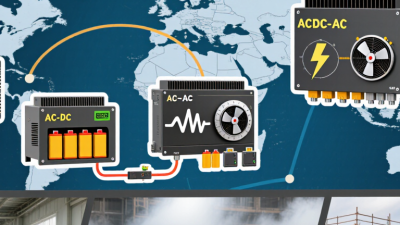
China’s best three-phase power converter suppliers should understand 400 V, 50 Hz industrial systems in practical detail. A converter changes electrical power between voltage, frequency, or current forms. Its core work may include rectification, inversion, voltage regulation, and phase balancing.

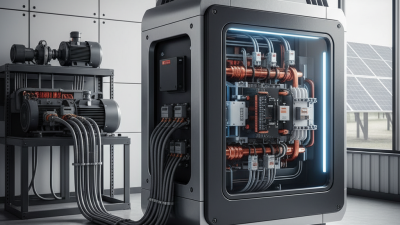
In a 400 V, 50 Hz installation, input quality matters. Motors, pumps, and automation equipment can react badly to voltage dips or unstable frequency. A dependable converter should provide overload protection, short-circuit response, thermal monitoring, and clear fault alarms. Galvanic isolation may also protect sensitive control circuits. Confirm rated output current, efficiency, cooling method, and continuous operating capacity before comparing suppliers.

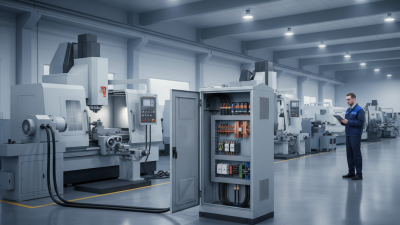
Small details matter. A cabinet near a furnace needs stronger thermal design than one in a clean control room. Field commissioning often exposes weak assumptions, especially around starting current and cable losses. A neat specification sheet is not enough. Ask for test records, wiring diagrams, maintenance guidance, and applicable safety certifications. Supplier engineers should explain harmonic distortion, protection settings, and expected service intervals without hiding behind technical language.

Real sites are imperfect. Dust accumulates. Loads change. Operators make mistakes. For this reason, remote monitoring, replaceable fans, and accessible terminals can be as valuable as peak efficiency. A careful supplier will recommend a converter based on the complete load profile, not only the 400 V label.

China’s Supplier Landscape: Topologies, Ratings, and Manufacturing Capacity

China Best 3 Phase Power Converter Suppliers?

China’s three-phase power converter market spans several topologies and power classes. Two-level inverters suit many compact industrial systems. Three-level NPC and T-type designs reduce switching losses at higher voltages. Isolated converters add safety and voltage flexibility, but usually increase cost and size. Supplier selection should match topology with load behavior, not only the lowest quotation.

Common products cover 380–415 V input systems, from a few kilowatts to megawatt-scale equipment. Ratings should include continuous power, overload duration, efficiency, cooling method, and harmonic performance. A converter rated at 100 kW may not sustain that output in a hot, enclosed cabinet. Ambient temperature matters. So does altitude.

Manufacturing capacity needs closer inspection. Reliable suppliers normally show controlled SMT lines, magnetic-component assembly, firmware testing, and full-load burn-in equipment. Ask for serial-number traceability and test records for insulation, thermal rise, protection functions, and electromagnetic compatibility. Factory size alone proves little. I have seen impressive production halls with weak final testing. That gap deserves attention. Review sample units under realistic loads, inspect service procedures, and confirm whether critical components have qualified alternatives. Capability can change quickly when orders grow.

China’s Supplier Landscape: Topologies, Ratings, and Manufacturing Capacity

China’s three-phase power-converter supply base commonly covers standardized low-voltage two-level systems, medium-voltage NPC and T-type platforms, and high-power modular multilevel converters. The ranges below show typical continuous power ratings associated with each topology in industrial applications; they are generalized engineering ranges rather than company-specific production figures.

Key Performance Metrics: ≥95% Efficiency and <5% Input Current THD

China Best 3 Phase Power Converter Suppliers?

For three-phase power converters, efficiency and input current THD deserve more attention than catalog appearance. A credible supplier should demonstrate at least 95% efficiency under defined load conditions. Ask whether this figure applies at 25%, 50%, or full load. Results can change sharply with temperature, switching frequency, and output voltage.

Input current THD below 5% is equally important. Lower distortion reduces stress on upstream transformers, cables, and protective equipment. During commissioning, use a calibrated power analyzer at the actual grid voltage and frequency. Do not rely only on simulated laboratory figures.

Check the waveform during motor starts, rapid load changes, and partial-load operation. Real systems are rarely polite.

Look for thermal test records, control firmware procedures, and clear measurement uncertainty. A converter may meet 95% efficiency briefly, then lose performance inside a hot cabinet. That detail matters.

Suppliers should provide repeatable test conditions, harmonic spectra, overload behavior, and maintenance guidance. Independent verification adds credibility, especially for projects with strict power-quality requirements.

Ask for recent production data, not one perfect prototype result. A strong supplier also explains where performance may decline. Honest limitations are often more reliable than impressive promises.

Compliance Standards: IEC 61800, IEC 61000, CE, and ISO 9001

Choosing China’s best three-phase power converter supplier requires more than a competitive quotation. Compliance evidence should guide the technical review. IEC 61800 helps assess adjustable-speed drive performance, safety, and functional requirements. Ask for the exact applicable part, test conditions, and rated power range. A generic certificate is not enough. Request test reports matching the proposed converter model.

IEC 61000 focuses on electromagnetic compatibility, including emissions and immunity. In practice, engineers should inspect conducted-emission results, surge tests, and immunity performance. Ask how the converter behaves beside contactors, motors, and long cable runs. Small details matter. A supplier should explain filtering, grounding, shielding, and installation limits clearly.

CE marking indicates a declared conformity process, but it does not replace independent technical verification. Check the Declaration of Conformity, applicable directives, and supporting records.

ISO 9001 certification can show a controlled quality-management system. It does not guarantee that every unit will perform perfectly. Review calibration records, incoming inspection, production testing, and corrective-action logs. I would also request sample traceability from components to final test results. Some suppliers provide impressive documents yet answer practical questions poorly. That gap deserves attention. Factory audits, witnessed tests, and pilot batches can reveal issues before shipment. Record every agreed parameter, including overload capacity, cooling method, protection functions, and acceptance criteria.

How to Compare Chinese Suppliers by Power Range, Warranty, and Support

China Best 3 Phase Power Converter Suppliers?

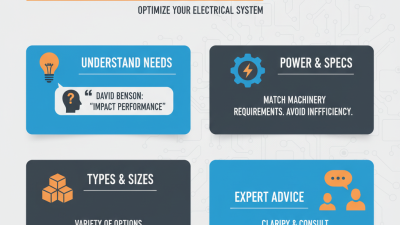
Choosing a Chinese three-phase power converter supplier requires more than comparing quoted prices. Match the converter’s continuous and peak power ratings with your actual load profile. A workshop may need 30 kW continuously, but motors can demand higher starting current. Ask for efficiency curves, overload limits, input voltage tolerance, cooling methods, and protection features. Request test reports linked to the exact model, not a general product brochure.

Warranty terms deserve careful reading. Confirm the coverage period, excluded conditions, replacement process, and responsibility for shipping. Reliable suppliers provide serial-number tracking, inspection records, and clear fault-analysis procedures. Technical support also matters after installation. Check whether engineers can review wiring diagrams, troubleshoot remotely, and provide spare parts quickly. A supplier that replies rapidly before payment may respond differently later. That is worth testing.

Tips: Send the same technical questionnaire to three suppliers. Compare power range, not only rated output. Ask for a sample support response and a realistic repair timeline. If possible, inspect a working installation or arrange independent factory testing. Do not accept vague promises. I have seen projects fail because the converter met the voltage requirement but could not handle repeated motor surges. My comparison method is not perfect; site conditions and operator habits can change the result. Leave a technical margin, but avoid paying for oversized capacity without evidence.