
Transforming Industries with Electronic Converters at the 138th China Import and Export Fair 2025
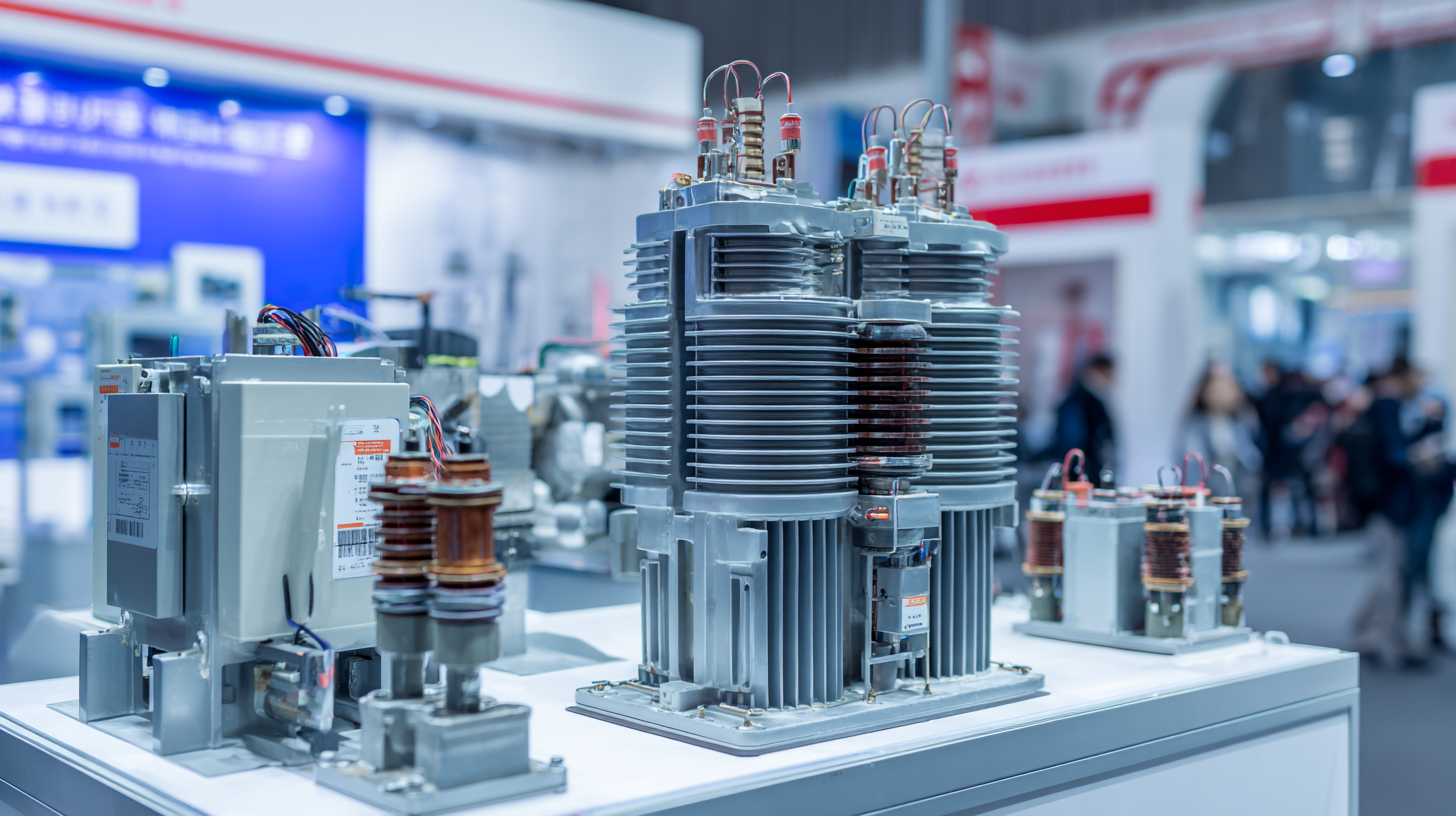 As industries continue to evolve in response to technological advancements, the role of electronic converters becomes increasingly pivotal in shaping the future of trade and innovation. The 138th China Import and Export Fair, set to take place in 2025, serves as a vibrant platform for showcasing the transformative impact of electronic converters across various sectors. This event will highlight how these essential devices are fostering efficiency, enhancing energy management, and facilitating smoother communication between electronic systems. With an array of exhibitors and cutting-edge technologies on display, attendees will explore the myriad applications of electronic converters, from renewable energy integration to automation in manufacturing processes. As we navigate through this dynamic landscape, the fair will not only facilitate business opportunities but also ignite discussions on the advancements that will propel industries into a more sustainable and interconnected future.
Innovative Trends in Electronic Converters Showcased at the 138th China Import and Export Fair
At the 138th China Import and Export Fair 2025, the spotlight will be on the innovative trends shaping the future of electronic converters. Recent studies indicate that the global market for electronic converters is expected to reach approximately $106 billion by 2026, growing at a compound annual growth rate (CAGR) of 8.3% from 2021. This surge is driven by the increasing demand for efficient energy management solutions across various industries, including renewable energy, electric vehicles, and industrial automation.
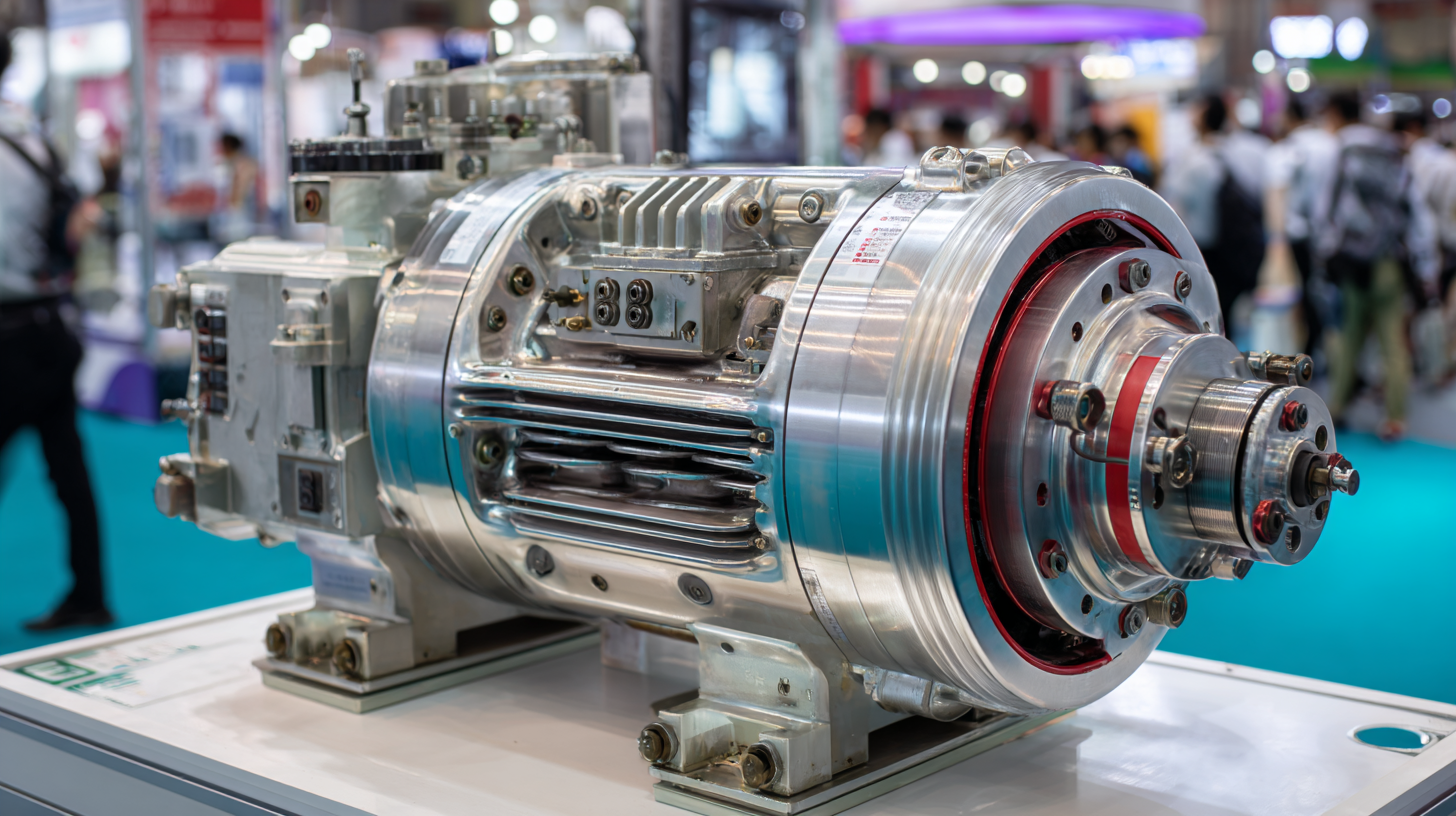
Among the showcased innovations, advancements in power density and efficiency are notable. For instance, new silicon carbide (SiC) and gallium nitride (GaN) technologies are redefining performance metrics, enabling converters to handle higher voltages and temperatures while minimizing energy losses. Reports from Market Research Future suggest that these technologies could reduce power conversion losses by up to 30%, revolutionizing sectors reliant on high-performance electronic systems. Attendees at the fair will have the opportunity to explore these cutting-edge solutions, as industry leaders unveil products that promise to enhance operational efficiency and sustainability in their respective fields.

Related Posts
-

Exploring Unique Alternatives to Rotary Frequency Converters for Enhanced Efficiency
-
5 Essential Tips for Choosing the Right VFD Phase Converter to Maximize Efficiency
-

Unlocking Market Trends for Frequency to Voltage Converters at the 138th Canton Fair 2025
-

Step-by-Step Guide: How to Effectively Use a Single to Three Phase Converter in Your Projects
-
Exploring the Impact of Rotary Phase Converters on Industrial Growth at the 2025 China 138th Import and Export Fair
-
Understanding the Functionality and Benefits of Rotary Phase Converters