Transforming Power: The Ultimate Guide to 400Hz to 60Hz Converters for Modern Applications
In the fast-evolving landscape of modern applications, the demand for efficient power conversion technologies has never been more critical. Specifically, the transition from 400Hz to 60Hz systems is vital in industries such as aviation, telecommunications, and military operations, where power supplies need to match varying operational requirements. According to a recent report by the International Electrotechnical Commission (IEC), the market for 400Hz to 60Hz converters is projected to grow at a CAGR of 7% over the next five years, driven by the increasing adoption of advanced electronic systems and the need for reliable power management solutions. This guide delves into the essentials of 400Hz to 60Hz converters, offering insights into their applications, benefits, and technological advancements, ensuring that industry professionals can make informed decisions in optimizing power supply configurations.
Understanding the Basics of 400Hz and 60Hz Power Systems
Understanding the basics of 400Hz and 60Hz power systems is essential for modern applications, especially in aviation and military settings where efficiency is crucial. Typically, 400Hz systems offer weight and size advantages, making them ideal for aircraft where power-to-weight ratio is a key concern. These systems allow for smaller generators and lighter wiring, which is a significant benefit in aerospace engineering.
On the other hand, 60Hz power is the standard frequency in most commercial and residential applications, making it ubiquitous in everyday life.
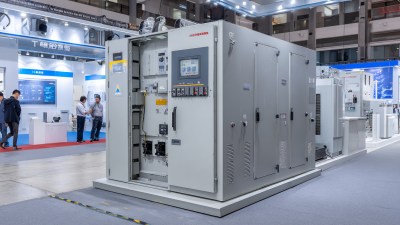
As industries strive for more energy-efficient solutions, the integration of preconditioned air along with power at parking locations is becoming increasingly important. Providing both power and necessary air support helps maintain optimal conditions for aircraft, reducing reliance on auxiliary power units (APUs). This not only conserves energy but also ensures that the APU remains fully operational and ready for use when needed, thereby enhancing the efficiency and reliability of ground operations.
Understanding how to transition between 400Hz and 60Hz systems is vital to leverage these advancements in energy management effectively.
Key Applications for 400Hz to 60Hz Converters in Modern Industries
The conversion from 400Hz to 60Hz power is essential in various modern industries, particularly in aviation, telecommunications, and defense applications. In the aviation sector, for instance, many aircraft systems operate at 400Hz, which allows for smaller and lighter equipment. However, when these systems interact with ground-based power supplies that typically provide 60Hz, converters become indispensable. These devices ensure that essential communication and navigation systems operate optimally during maintenance or ground operations, thus facilitating seamless transitions and enhancing safety.
Telecommunications infrastructure also heavily relies on 400Hz to 60Hz converters. Base stations and data centers often require precise power management to maintain uninterrupted service. Converters provide the necessary compatibility for various equipment, allowing for efficient operation of critical systems. In the defense industry, where reliability is paramount, these converters enable military platforms to harness the advantages of high-frequency power sources while ensuring operational integrity when interfacing with standard 60Hz systems. As industries continue to evolve, the role of 400Hz to 60Hz converters remains crucial in supporting the diverse power requirements of advanced technologies.
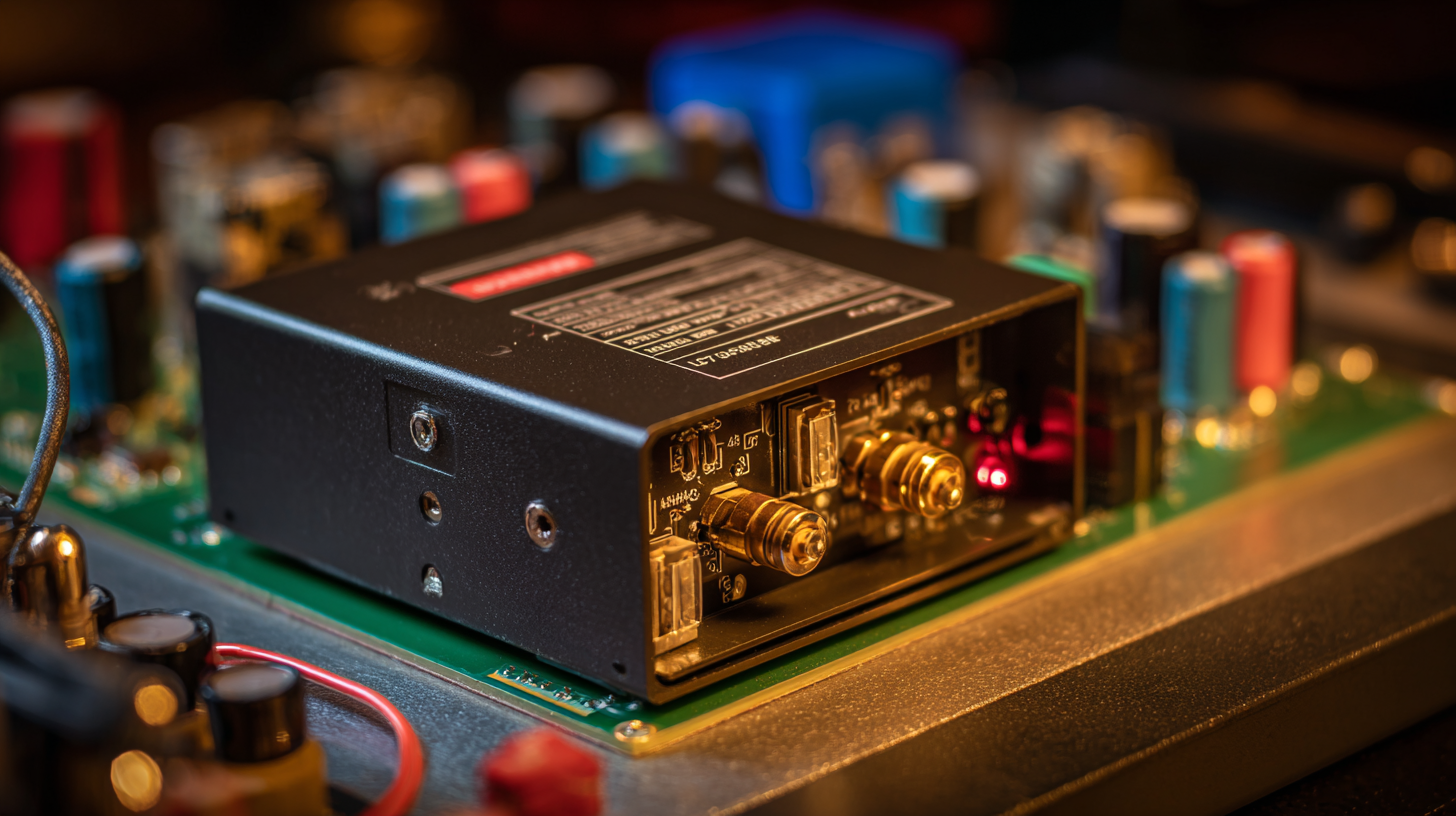
Technical Principles Behind 400Hz to 60Hz Conversion Mechanisms
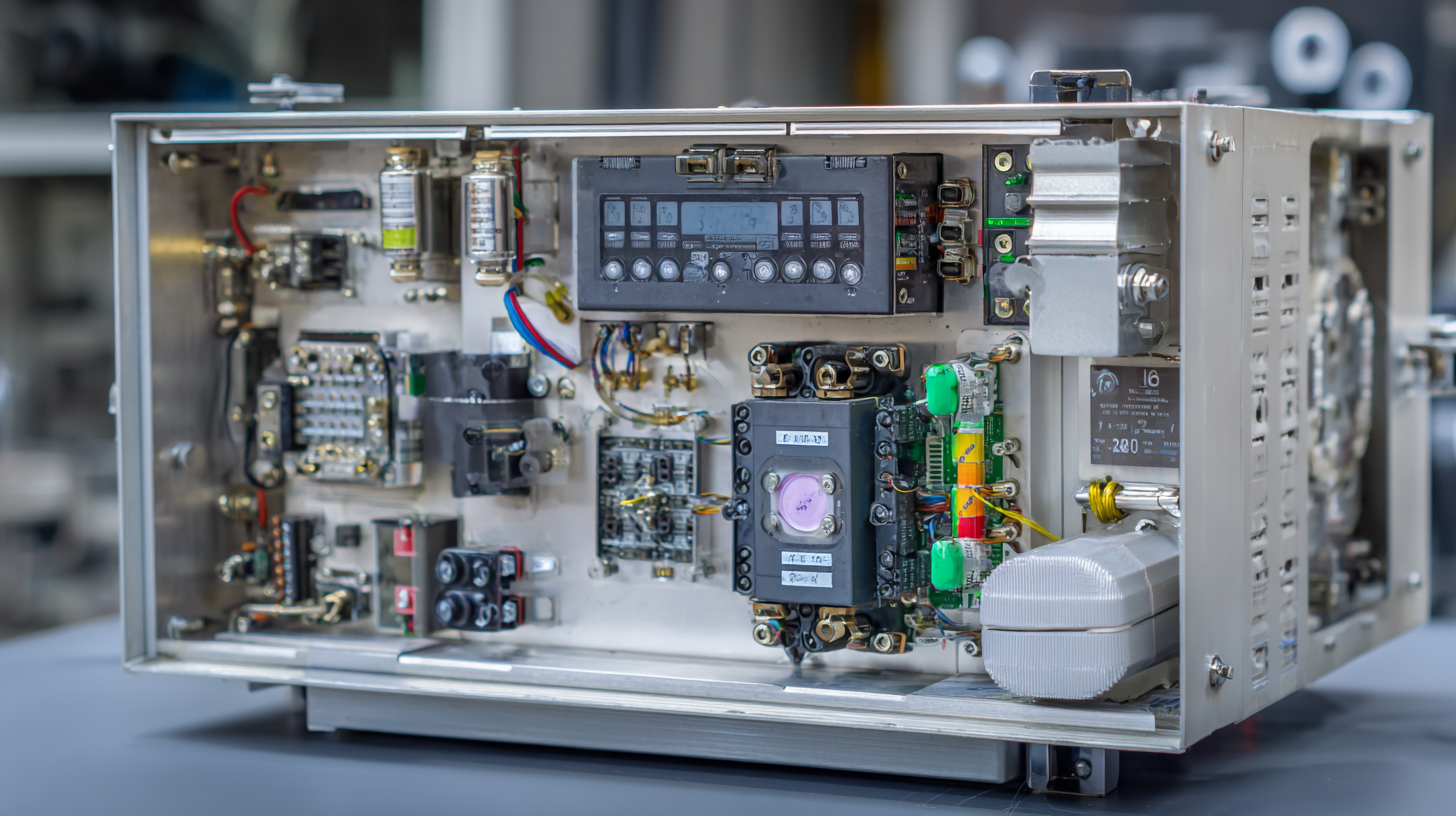
The conversion from 400Hz to 60Hz is a crucial process for various modern applications, particularly in aviation and telecommunications, where 400Hz systems are commonly used. The primary technical principle behind this conversion lies in the use of specialized power electronic converters, which can efficiently alter the frequency and voltage levels. These converters typically utilize a combination of rectification, inversion, and filtering to achieve the desired output frequency while maintaining power quality and system performance.
One popular method for this frequency conversion is the use of static frequency converters (SFCs). SFCs employ advanced technologies such as pulse-width modulation (PWM) to regulate the output voltage and frequency. By precisely controlling the switching of power transistors, these converters are capable of transforming the input power into a stable 60Hz sine wave, which is essential for compatibility with most electrical devices. Additionally, these systems often incorporate feedback loops to monitor performance and ensure reliability, making them suitable for both critical and non-critical applications in today’s energy landscape.
Selecting the Right Converter: Factors to Consider for Efficiency
When selecting a converter to transition from 400Hz to 60Hz, several critical factors must be considered to ensure optimal efficiency and performance. First, evaluate the power requirements of the end application, including the total load that the converter will support. This helps in determining the required capacity and size of the converter. Additionally, understanding the specific voltage and frequency tolerances of connected equipment is essential, as this information aids in selecting a converter that minimizes operational issues and enhances reliability.
Another vital consideration is the converter's efficiency rating. High-efficiency converters not only reduce energy consumption but also lower operational costs over time. Look for models with low harmonic distortion and advanced cooling systems, which are crucial for maintaining stable performance under varying loads. Lastly, consider the overall design and technological features of the converter, such as user-friendly interfaces for monitoring and adjustments, which can significantly impact long-term usability and maintenance. By focusing on these factors, users can choose the right 400Hz to 60Hz converter that meets their specific needs and ensures sustained operational efficiency.
Transforming Power: The Ultimate Guide to 400Hz to 60Hz Converters for Modern Applications
| Converter Model |
Input Frequency (Hz) |
Output Frequency (Hz) |
Power Rating (kW) |
Efficiency (%) |
Weight (kg) |
Dimensions (mm) |
| Model A |
400 |
60 |
10 |
95 |
30 |
400 x 300 x 200 |
| Model B |
400 |
60 |
20 |
92 |
45 |
500 x 400 x 250 |
| Model C |
400 |
60 |
15 |
97 |
35 |
450 x 350 x 220 |
| Model D |
400 |
60 |
25 |
90 |
50 |
550 x 450 x 300 |
Future Trends in Power Conversion Technologies and Their Impact
The landscape of power conversion technologies is evolving rapidly, particularly highlighted by the significant growth in markets such as the wound ferrite inductor and power distribution units (PDU). With the global wound ferrite inductor market projected to reach $1,685.5 million by 2032, a compound annual growth rate (CAGR) of 4.33% reflects the increasing demand for efficient power management solutions in various modern applications. Similarly, the PDU market is set to expand from $3.74 billion in 2023 to $9.84 billion by 2030, showcasing a remarkable CAGR of 14.8%. This growth is propelled by technological advancements aimed at enhancing power reliability and efficiency.
Tips: To stay ahead in the evolving power conversion arena, industries should prioritize investing in R&D to leverage emerging technologies. Collaborating with tech innovators can also facilitate the adoption of sustainable practices, ensuring compliance with future regulations and market demands. Moreover, focusing on enhancing the thermal reliability of power systems, especially in sectors like high-speed rail, will play a crucial role in improving overall safety and operational efficiency.
The addition of high-performance components, such as wide bandgap semiconductors, is revolutionizing automotive design and contributing to electrification trends aimed at achieving carbon neutrality. As corporate mergers in the charging industry surge, stakeholders must remain vigilant about strategic partnerships that can capitalize on these market trends, ensuring they remain competitive in an increasingly digital and energy-transition focused economy.