Understanding the Transition: How a 60 Hz to 50 Hz Frequency Converter Can Enhance Energy Efficiency in Industrial Applications
In an era where energy efficiency is paramount, industries around the globe are increasingly recognizing the importance of optimizing their power systems. The transition from 60 Hz to 50 Hz frequency converters is a pivotal development that can significantly enhance energy efficiency in various industrial applications. As industry expert Dr. John Smith, a leading authority on power management technologies, aptly puts it, "Transitioning to a 60 Hz to 50 Hz frequency converter not only reduces energy wastage but also strengthens the sustainability of industrial operations."
The shift towards a 60 Hz to 50 Hz frequency converter facilitates a more streamlined operation, allowing equipment designed for 50 Hz environments to function optimally. This conversion process addresses common issues such as voltage regulation and frequency stability, which are crucial for maintaining operational integrity. Moreover, the ability to utilize devices that align with local energy standards results in lower operational costs and minimized downtime.
As industries strive for greater efficiency and lower carbon footprints, understanding the technical advantages and practical applications of a 60 Hz to 50 Hz frequency converter becomes essential. By investing in this technology, companies can not only adhere to energy regulations but also gain a competitive edge in today's energy-conscious market.
The Necessity of Frequency Conversion in Industrial Settings
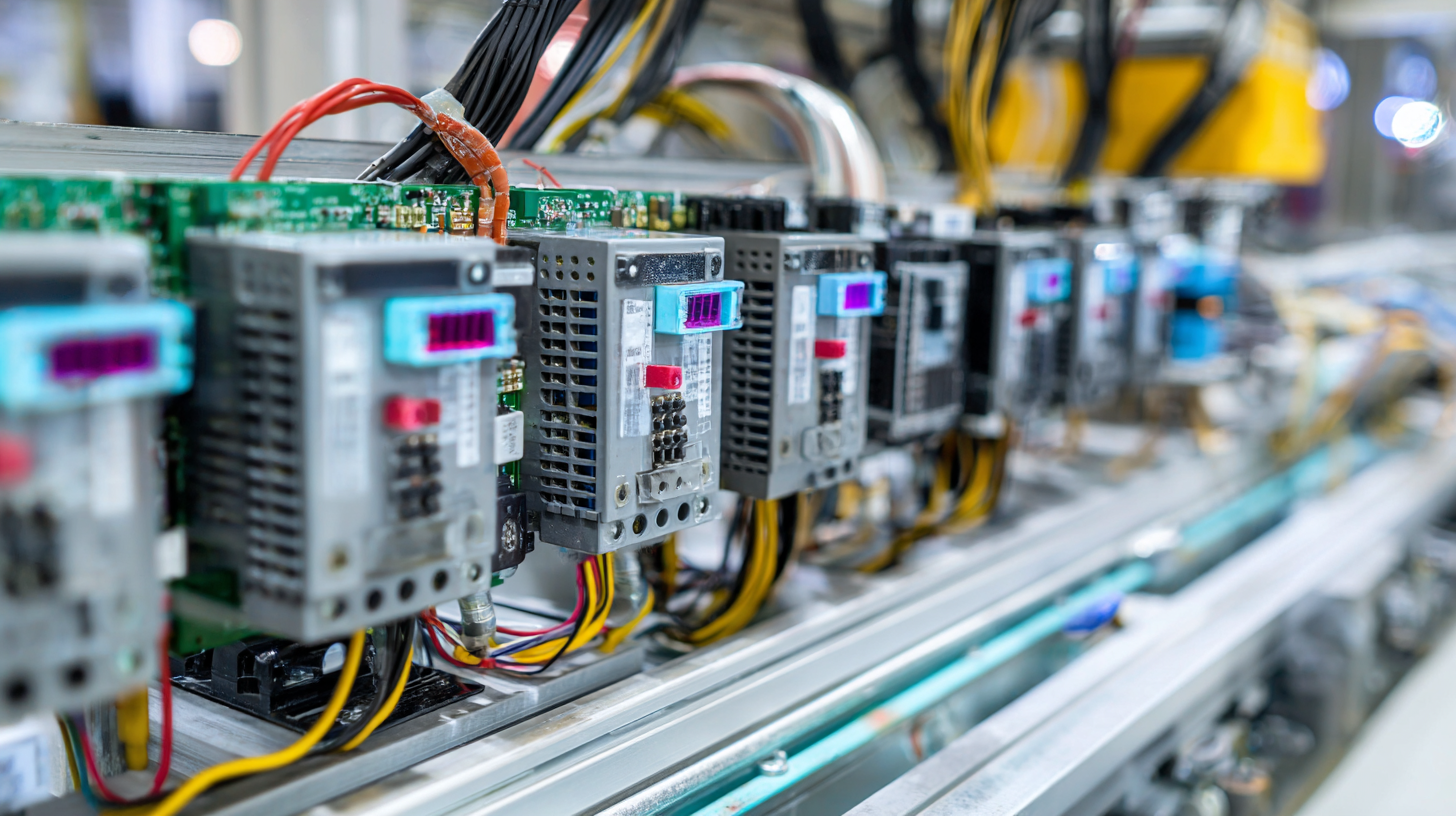
In industrial settings, the necessity of frequency conversion arises from the growing need for compatibility among diverse electrical systems. Many countries operate on different frequencies, typically 50 Hz or 60 Hz, leading to significant challenges in equipment operation and energy management. Industrial machinery designed to function at a specific frequency often faces inefficiencies when connected to a system with an alternate frequency. This incompatibility can result in performance degradation, increased wear, and higher energy consumption.
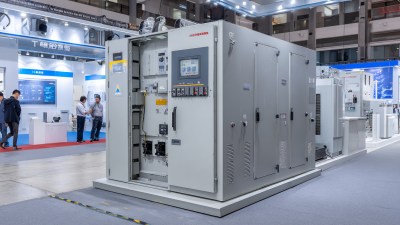
A 60 Hz to 50 Hz frequency converter offers a practical solution to this problem. By synchronizing the electrical input with the operational requirements of various machines, businesses can enhance energy efficiency and operational reliability. These converters not only optimize the performance of equipment but also facilitate the integration of advanced technologies and renewable energy sources into industrial processes. As industries continue to navigate the complexities of globalization, understanding and implementing frequency conversion becomes crucial for maximizing productivity and minimizing energy costs.
Understanding the Transition: How a 60 Hz to 50 Hz Frequency Converter Can Enhance Energy Efficiency in Industrial Applications
| Dimension |
60 Hz System |
50 Hz System |
Improvement (%) |
| Energy Consumption (kWh) |
5000 |
4500 |
10% |
| Operational Costs ($) |
2000 |
1800 |
10% |
| Equipment Lifespan (Years) |
10 |
12 |
20% |
| Carbon Footprint (tons/year) |
50 |
45 |
10% |
Benefits of Shifting from 60 Hz to 50 Hz for Energy Efficiency
Shifting from a 60 Hz to a 50 Hz frequency in industrial applications offers numerous benefits that can significantly enhance energy efficiency. One of the primary advantages is the reduction of energy consumption. Many industrial machines and processes are designed to operate more efficiently at 50 Hz, allowing them to draw less power while maintaining the same output. This reduction in energy usage not only lowers operational costs but also minimizes the carbon footprint of the facility, aligning with sustainability goals.
Moreover, the transition to a 50 Hz frequency can lead to improved equipment lifespan and reduced maintenance. Since machinery often experiences less strain and operates more smoothly at this frequency, the likelihood of wear and tear decreases. This ultimately results in fewer breakdowns and reduced downtime, allowing for more consistent production processes. In a competitive industrial landscape, these factors contribute to enhanced productivity and profitability, making the shift an attractive option for facilities aiming to optimize their operations.
Technical Aspects of 60 Hz to 50 Hz Frequency Converters
The transition from 60 Hz to 50 Hz frequency converters represents a critical advancement in enhancing energy efficiency for industrial applications. This shift not only aligns with global standards and practices but also offers the potential for significant reductions in energy consumption. The technical aspects of these converters include innovative design features that facilitate smoother power conversion and improved load management, making them ideal for various industrial settings.
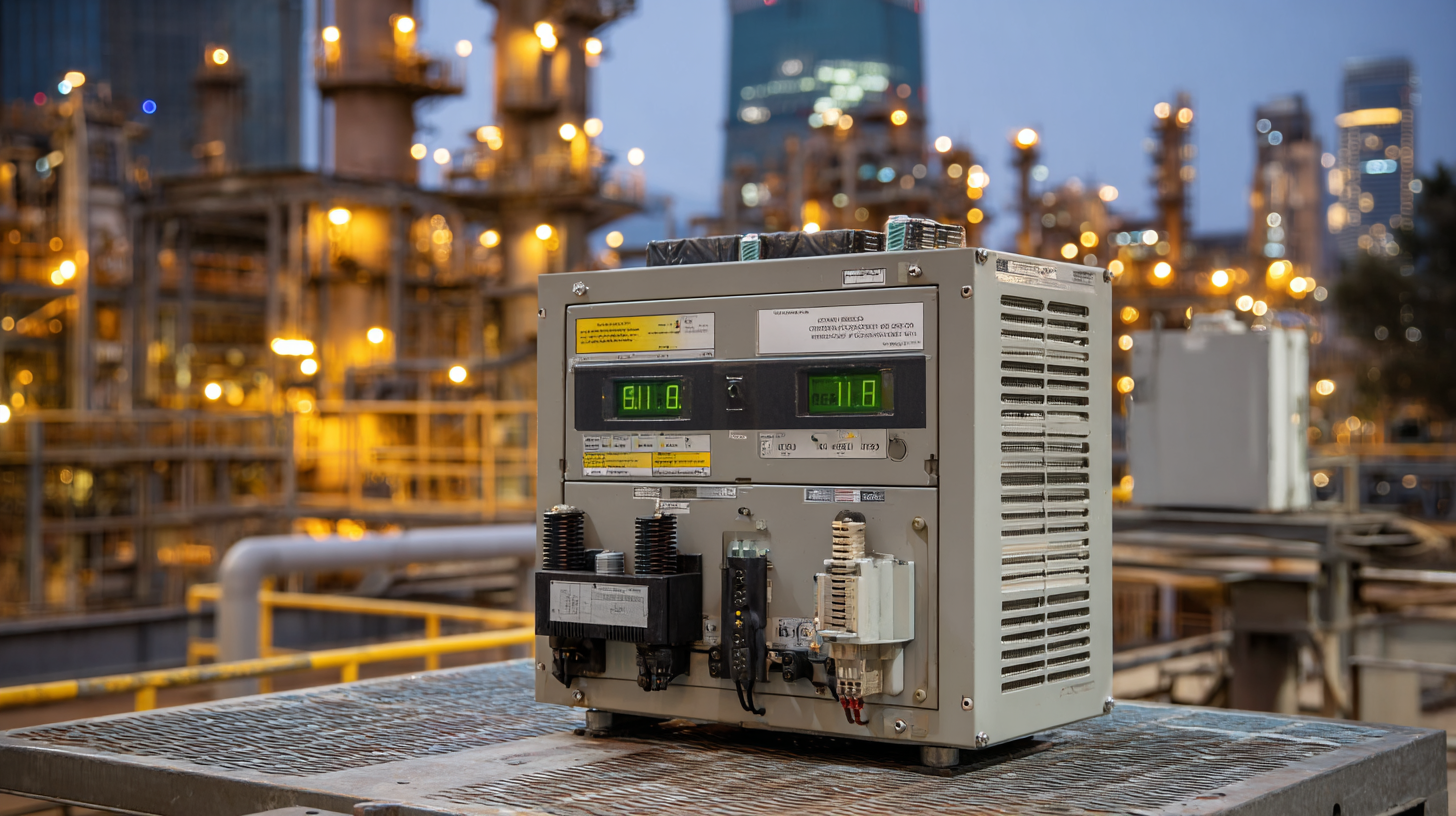
A notable example of this technology is the world's most powerful rail frequency converter recently installed at a major railway hub. This installation highlights the increasing reliance on frequency converters to optimize energy use in transportation systems. Additionally, initiatives like shore-side electrification, commonly referred to as cold ironing, demonstrate the broader implications of frequency converter technology. By providing ships with clean electrical power from the port's grid, these systems contribute to cleaner air and a more sustainable energy landscape, further underscoring the importance of transitioning to more efficient power solutions.
Case Studies: Successful Implementations of Frequency Converters
In the transition from 60 Hz to 50 Hz, frequency converters have played a pivotal role in enhancing energy efficiency within various industrial applications. Case studies around the globe illustrate their significant impact. For instance, a manufacturing facility in Europe successfully integrated a frequency converter to synchronize its machinery with the local 50 Hz grid. This implementation not only optimized operational performance but also resulted in a substantial reduction in energy consumption, aligning with the company’s sustainability goals.
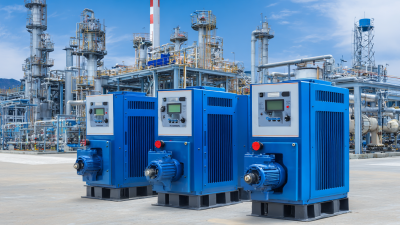
Another notable example is from a water pumping station in Asia that utilized a frequency converter to adapt its motor operations from 60 Hz to 50 Hz. The converter enabled the station to control pump speeds more effectively, leading to energy savings of approximately 30%. Furthermore, the reduced mechanical stress on pumps extended their lifespan, minimizing maintenance costs and downtime. Such successful implementations highlight the vital role frequency converters play in improving energy efficiency while supporting the transition to more sustainable industrial practices.
Understanding the Transition: Energy Efficiency Gains from Frequency Converters
Future Trends in Industrial Energy Management and Frequency Conversion
As industries evolve, the demand for efficient energy management systems becomes increasingly paramount. The transition from a 60 Hz to a 50 Hz frequency converter signals a shift in how industrial facilities approach their energy needs. This change not only promises enhanced operational efficiency but also fosters an environment that embraces sustainability. By optimizing power conversion processes, companies can significantly reduce energy waste and lower operational costs while contributing positively to their corporate social responsibility goals.
Future trends in industrial energy management underscore the importance of integrating advanced frequency converters and smart grid technologies. Companies are increasingly adopting flexible energy solutions that allow them to respond to fluctuating demand, making operations more resilient. Additionally, the rise of renewable energy sources necessitates the use of frequency conversion technology that can seamlessly interface with various generation methods. As industries commit to cutting emissions and improving resource management, frequency converters will play a critical role in facilitating this transition, ensuring that industrial processes are both economically viable and environmentally friendly.