Unlocking Efficiency: How a Single to Three Phase Converter Can Upgrade Your Power Solutions
In today’s rapidly evolving industrial landscape, the demand for
efficient energy solutions has never been higher.
According to a report by the International Energy Agency, a significant 40% of energy consumption in industrial processes can be attributed to electric motors,
which underscores the importance of optimizing power systems. Upgrading from single phase to three phase power systems can significantly enhance energy efficiency and operational performance.
A single to three phase converter serves as a critical solution in this transition, allowing businesses to tap into the benefits of three phase power—such as improved reliability and higher efficiency—while minimizing costs.
Moreover, studies indicate that organizations implementing such converters can see energy savings of approximately 20%, directly impacting the bottom line.
As industries strive for sustainability and performance enhancement, understanding the role of a single to three phase converter becomes imperative for achieving superior power solutions.
Benefits of Upgrading from Single to Three Phase Power Systems
Upgrading from a single-phase to a three-phase power system offers numerous benefits that can significantly enhance efficiency and performance in various applications. According to a report by the Electric Power Research Institute (EPRI), three-phase systems can facilitate up to 60% more power delivery than single-phase systems using the same amount of conductor material. This increased capacity allows for the operation of larger machinery and equipment without the need for extensive electrical upgrades, which can be both time-consuming and costly.
Additionally, a three-phase power system can provide more consistent voltage levels, reducing the risk of fluctuations that can lead to equipment wear or failure. The National Electrical Manufacturers Association (NEMA) states that machines powered by three-phase systems often experience lower maintenance costs, as they operate more smoothly and efficiently. Furthermore, the reduced current load in a three-phase system lessens the thermal stress on electrical components, extending their lifespan and improving overall reliability. As industries continue to focus on sustainability and cost-effectiveness, transitioning to three-phase systems emerges as a strategic solution for enhanced operational efficiency.
Key Considerations When Choosing a Phase Converter
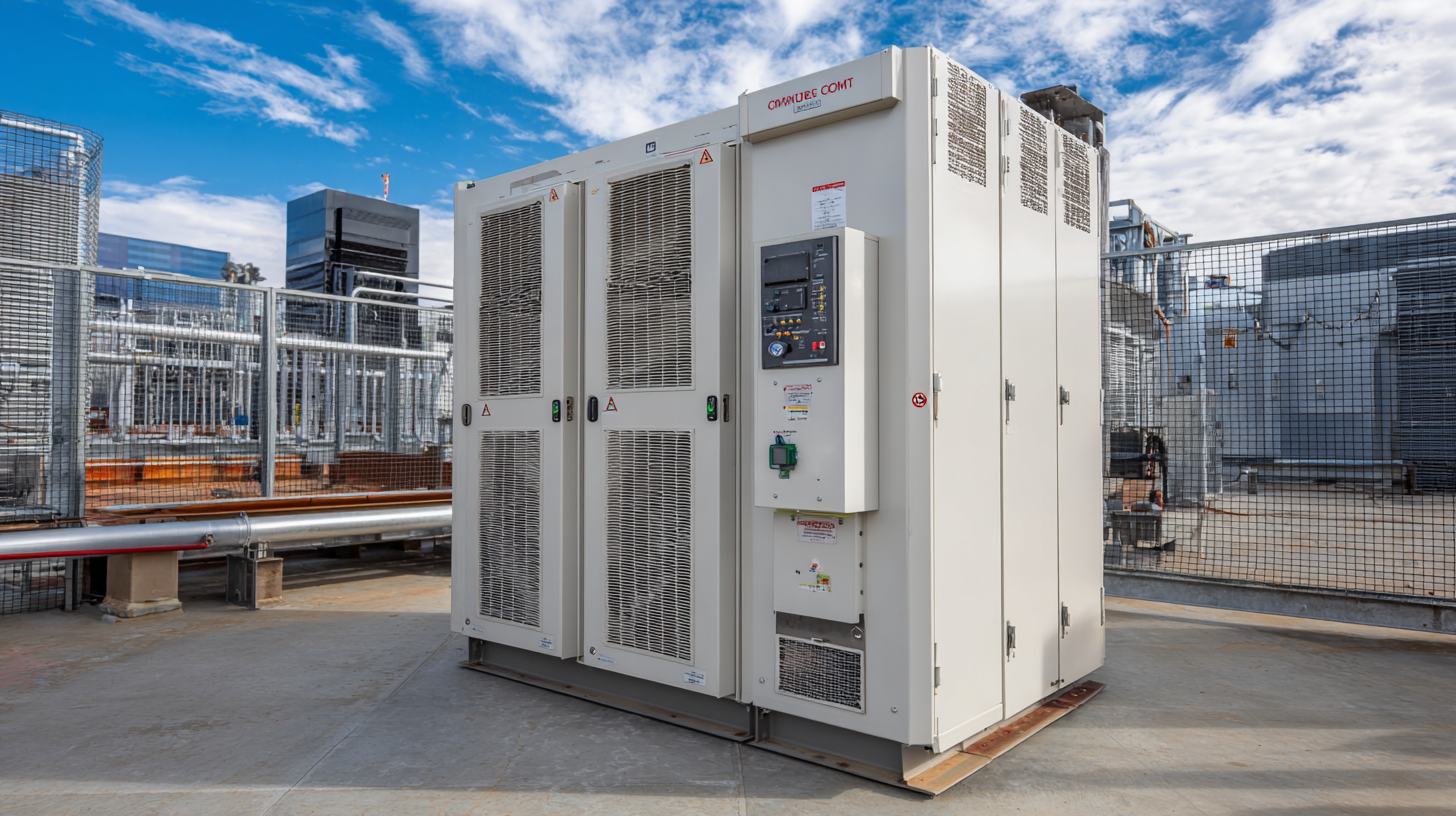
When selecting a phase converter, several key considerations play a crucial role in determining the right fit for your power requirements.
Firstly, understanding the power needs of your equipment is essential. Assess the total horsepower required and ensure the converter can handle the load without overheating or underperforming.
This involves verifying the phase converter’s capacity in relation to the motor's specifications and operational demands.
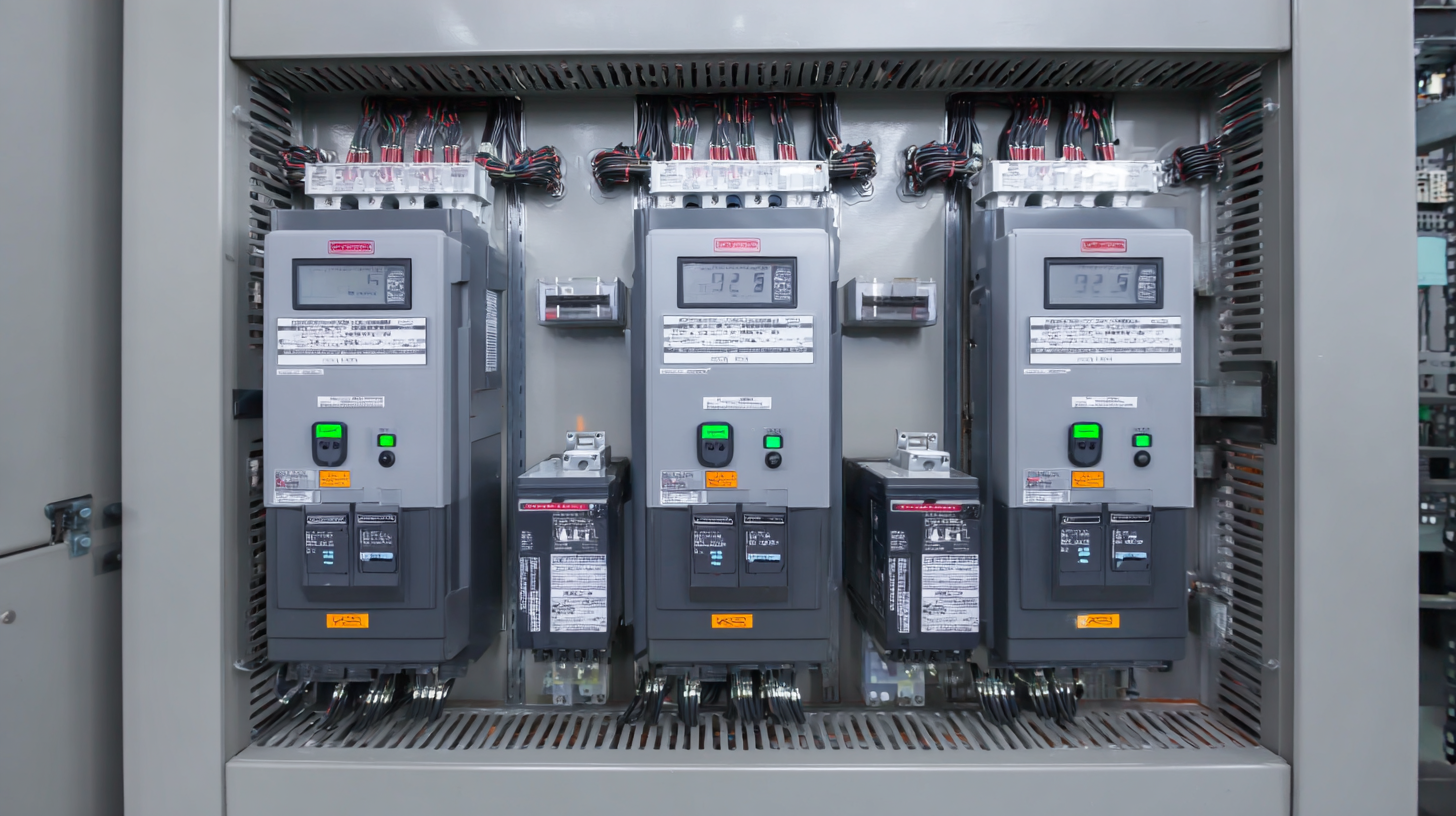
Secondly, the type of phase converter—static, rotary, or digital—should be considered based on your application.
Static converters are ideal for smaller loads and provide a cost-effective solution, while rotary converters offer greater flexibility and efficiency for larger, more demanding applications.
Additionally, digital converters integrate advanced technologies for optimal performance and can adapt to varying loads.
Evaluating these options along with installation requirements, maintenance needs, and budget constraints will help ensure an informed decision that enhances your operational efficiency.
How to Assess Your Power Needs for Optimal Efficiency
Assessing your power needs is crucial for achieving optimal efficiency when considering the transition from single-phase to three-phase power systems. Begin by evaluating your current electrical usage, identifying appliances and equipment that demand significant energy. This assessment should include calculating the wattage requirements of these devices to understand your baseline consumption.
Additionally, consider the start-up demands of motors and other machinery, which often draw considerably more power when they are first activated.
Next, analyze the operational demands of your business or project. Consider not just the present requirements, but also any future expansions or equipment upgrades that may influence your energy needs.
A three-phase converter can significantly enhance efficiency by accommodating higher loads and reducing energy loss during transmission.
By mapping out both current and potential future needs, you can make an informed decision that maximizes performance and minimizes energy costs, ensuring your power solution evolves alongside your requirements.
Installation Tips for Smooth Transition to Three Phase Power
Transitioning from single-phase to three-phase power can significantly enhance the efficiency of your electrical systems, but the installation process requires careful planning to ensure a smooth switch. First, it's crucial to assess your existing electrical infrastructure to ensure compatibility with three-phase systems. Look for potential upgrades needed in wiring, circuit breakers, and equipment that may require adjustment or replacement.
Tips for Installation:
One key tip is to consult a qualified electrician who specializes in three-phase systems. They can provide invaluable insights into your specific setup and suggest necessary modifications. Additionally, ensure that your equipment is rated for three-phase use, as some appliances or machines may not function correctly unless specifically designed for this type of power supply. Lastly, consider the installation of a phase converter to help manage the transition, especially if you're integrating single-phase devices into a three-phase system.
With proper planning and expert guidance, upgrading your power solutions can lead to increased efficiency and reliability for your operations.
Common Challenges and Solutions in Phase Conversion
When considering the shift from single to three-phase power systems, many users face common challenges such as voltage imbalance, equipment compatibility, and increased installation costs. Voltage imbalance can cause inefficiencies and overheating in motors, leading to potential failures. It's crucial to ensure that your three-phase converter can handle input variations effectively. Regular monitoring and adjustments can help mitigate these issues.
**Tips:** Invest in quality converters equipped with protective features to manage voltage discrepancies. Schedule routine inspections to identify potential imbalances before they escalate.
Another significant challenge arises in equipment compatibility. Many devices are designed specifically for single-phase systems, which can lead to frustration when transitioning to three-phase power. Utilizing the correct phase converter tailored for your equipment is vital. Understanding your devices’ voltage specifications and operational requirements can make the process smoother.
**Tips:** When purchasing equipment, look for universal compatibility or consult with manufacturers to ensure seamless integration. Keeping an updated inventory of your tools will help you assess what is compatible with the new system.
Unlocking Efficiency: Phase Conversion Impact on Power Solutions