Why Choose Photovoltaic Brackets for Solar Panel Installation?
Choosing the right installation components is crucial for effective solar energy utilization. As energy demands increase, Photovoltaic Brackets are gaining attention. These brackets are essential for securely mounting solar panels. According to Dr. Emily Zhao, a leading expert in the photovoltaic industry, "A reliable photovoltaic bracket can significantly enhance system performance." Her insights highlight their importance in maintaining the structural integrity of solar installations.
Photovoltaic brackets support solar panels against various environmental factors. Wind, snow, and rain all exert pressure, and brackets must withstand these forces. Without quality materials, failures may occur, leading to potential energy loss. Visibility in the market shows that not all brackets are created equal. Some manufacturers skimp on quality, prompting concerns about durability and safety.
The investment in high-quality photovoltaic brackets can pay off over time. However, customers must consider the costs versus benefits. Cheaper options may seem appealing, but they could lead to higher maintenance needs. It’s a balancing act between upfront expenses and long-term sustainability. The choice of photovoltaic brackets requires careful thought to ensure performance and reliability in real-world conditions.
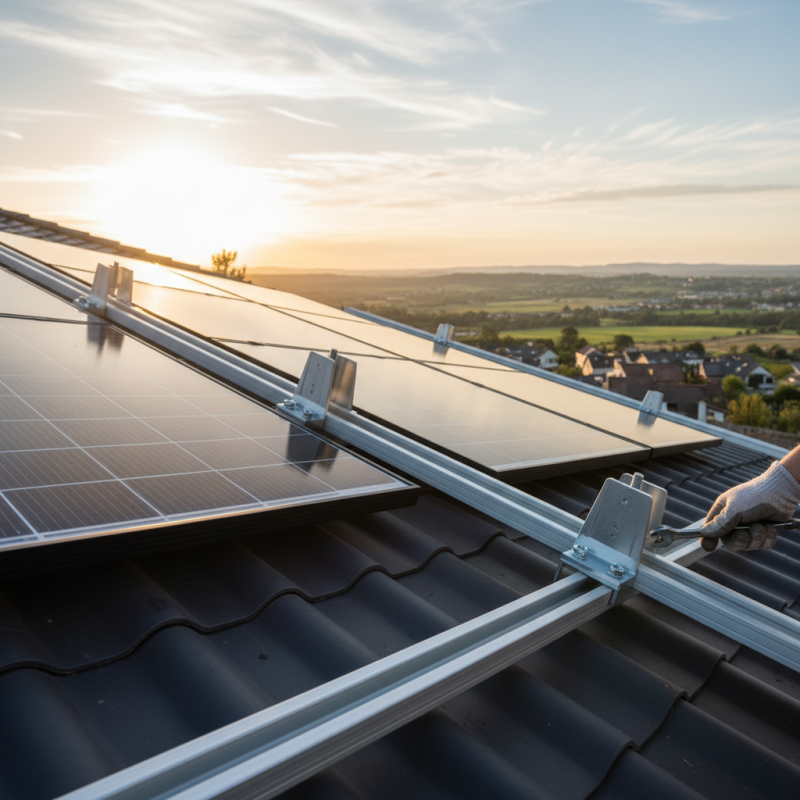
Benefits of Using Photovoltaic Brackets in Solar Panel Installations
Photovoltaic brackets play a crucial role in solar panel installations. They provide stability and support, ensuring that panels are securely mounted. The right bracket can improve the overall efficiency of the system. Proper alignment is essential for maximum sunlight absorption. This can be easily achieved with quality brackets.
Using photovoltaic brackets can also simplify the installation process. They often come with adjustable features, allowing for easy modifications. This flexibility can lead to a faster setup. However, the challenge lies in selecting the right type for your specific needs. Not all brackets are suitable for every installation scenario.
Brackets can enhance durability as well. They protect panels against harsh weather conditions. Yet, some brackets may corrode over time. Regular inspection is important to maintain performance. It’s also vital to consider the materials used in manufacturing. Choosing low-quality brackets can lead to technical issues later on. Careful planning and selection can make a substantial difference.
Overview of Different Types of Photovoltaic Brackets Available
When considering solar panel installation, selecting the right photovoltaic brackets is critical. Different types of brackets cater to various installation needs. For instance, fixed brackets offer stability but may limit flexibility in angle adjustments. Many installations favor adjustable brackets, which allow for optimal solar exposure throughout the year. According to a recent industry report, adjustable mounts can increase energy capture by up to 25%.
Ground-mounted brackets are another popular choice. They provide substantial support and can be installed in conditions where roof installation isn’t feasible. This type is often praised for its durability. However, they can be more expensive and require maintenance over time. Some studies suggest that ground mounts can take about 15% longer to install than roof-mounted options.
Some users face challenges in aligning brackets correctly. Several projects illustrate that misalignment can lead to significant energy loss. A report indicates that positioning errors can decrease efficiency by approximately 10%. Thus, precision in the installation process is crucial. Overall, selecting the right type of photovoltaic bracket impacts long-term performance and energy efficiency.
Key Factors Influencing the Choice of Brackets for Solar Panels
When choosing brackets for solar panel installation, several key factors come into play. The material and durability of the brackets are crucial. Aluminum and stainless steel are popular choices for their resistance to corrosion. Yet, cost can be a concern. Some may opt for cheaper, less durable options and regret it later.
Installation feasibility is another important aspect. Brackets should fit the structure of your roof. This ensures panels remain securely attached. Those who overlook this might face issues like leaks or structural damage. Adjustability is vital as well. Brackets should allow for angles that maximize sunlight capture throughout the year.
Weather conditions in your area must also be considered. In high-wind regions, more robust brackets are necessary to prevent panel dislodgment. Ignoring this could lead to costly repairs. It’s essential to balance cost, durability, and weather resistance. The decision might seem straightforward, but it requires careful thought and discussion.
Industry Standards and Regulations for Solar Panel Mounting Systems
The choice of photovoltaic brackets significantly impacts the performance and durability of solar panel installations. Understanding industry standards and regulations is essential for achieving optimal results. These guidelines help mitigate risks and enhance safety. According to the International Electrotechnical Commission (IEC), mounting systems must withstand wind loads ranging from 30 to 50 m/s, depending on the installation site.
In the United States, the National Electric Code (NEC) outlines wiring practices to ensure safe installations. Maintaining compliance can enhance reliability and prevent costly damages. Installers should note that improper bracket selection can lead to structural failure. In a recent study by Solar Power World, 25% of installations faced performance issues due to faulty mounting systems.
Tips: Always refer to local building codes. They are often updated. Ensure brackets are compatible with your panels. This helps avoid unexpected challenges.
Selecting the right photovoltaic brackets should not be taken lightly. Many ignore the importance of proper alignment and load distribution. A miscalculation here can lead to lower energy output. In a survey, 40% of installers admitted to underestimating the importance of these factors. Regular training and adherence to updated standards can drastically reduce these mistakes.
Cost-Effectiveness and Durability of Photovoltaic Brackets Compared to Alternatives
Cost-effective photovoltaic brackets offer significant savings in solar panel installations. A recent report indicates that such brackets can reduce total installation costs by up to 20%. This is vital for homeowners looking to optimize their budgets. The durability of these materials further enhances their appeal. Quality brackets can last over 25 years, minimizing replacement costs.
Alternatives often fall short in terms of lifespan and expense. According to industry studies, traditional mounting systems require frequent maintenance, raising long-term costs. Photovoltaic brackets, on the other hand, exhibit exceptional resistance to weather conditions. They can handle extreme temperatures and high winds, ensuring panels remain secure.
While some may consider cheaper options, the hidden costs may outweigh initial savings. For instance, lower-quality brackets can lead to higher installation risks. They may be less stable and prone to damage. This brings unforeseen expenses to repair and replace. Investing in durable photovoltaic brackets might feel more expensive upfront but pays off in the long run.
Why Choose Photovoltaic Brackets for Solar Panel Installation? - Cost-Effectiveness and Durability of Photovoltaic Brackets Compared to Alternatives
| Bracket Type | Material | Cost per Unit ($) | Lifespan (Years) | Corrosion Resistance (1-10) | Load Capacity (lbs) |
| Aluminum Brackets | Aluminum Alloy | 15.00 | 25 | 9 | 150 |
| Steel Brackets | Galvanized Steel | 12.00 | 20 | 7 | 200 |
| Plastic Brackets | Polypropylene | 8.00 | 10 | 5 | 100 |
| Stainless Steel Brackets | Stainless Steel | 18.00 | 30 | 10 | 250 |
