Choosing a 3 phase to single phase converter is not simply a matter of matching voltage. Motor starting current, duty cycle, load balance, and the equipment’s sensitivity to voltage changes all matter. Get those details wrong, and a machine may run hot, start poorly, or trip under load.
The U.S. Department of Energy’s 2002 United States Industrial Electric Motor Systems Market Opportunities Assessment estimated that motor-driven systems used roughly 63% of industrial electricity. That figure describes industrial motor use, not converter demand, but it shows why motor compatibility deserves careful attention. Motor-drive researcher Thomas A. Lipo’s published work on electric machines and drives offers a useful selection principle: assess the motor and its operating conditions, not just the converter’s headline rating. This is a practical summary, not a verbatim quotation.
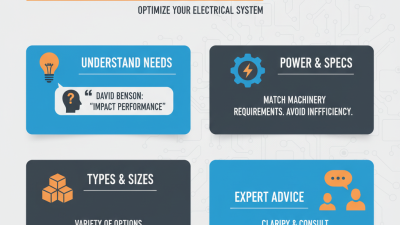
Small details count. A compressor that starts every few minutes presents a different challenge from a lightly loaded lathe. A nameplate photo, measured supply voltage, and clear load description can help narrow the options. Yet published ratings do not guarantee identical results in every installation; wiring, starting methods, and simultaneous loads can change performance. Our 7 picks compare converter types, capacity, and real-world trade-offs, so you can shortlist equipment more confidently—and know what to verify before buying.
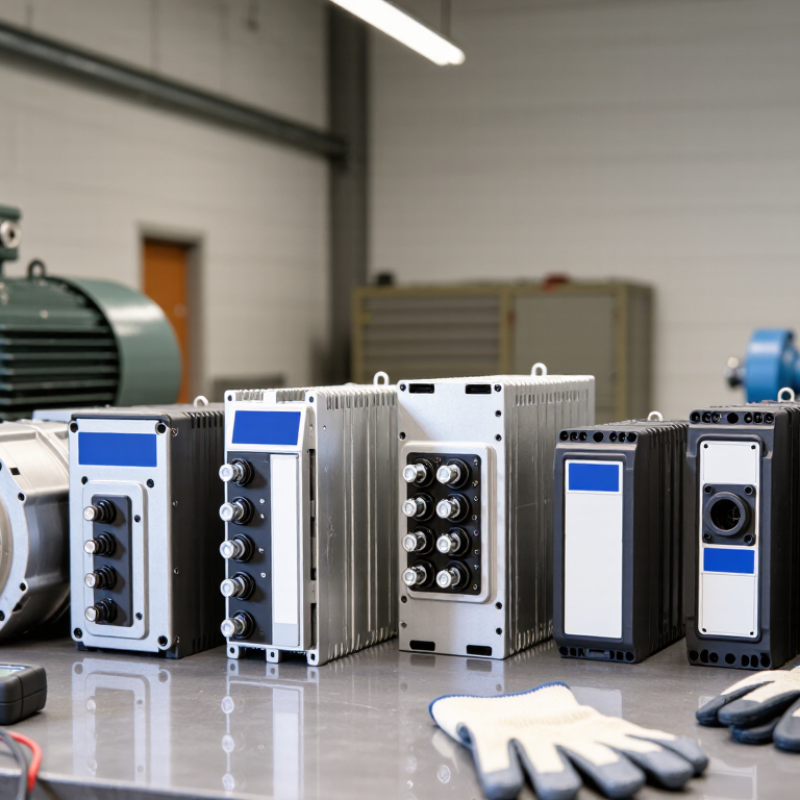
A converter’s frequency rating must match the machine, not just the wall supply. IEC 60034-1:2022 treats rated frequency as a key operating condition for electrical machines. A four-pole motor has a synchronous speed of 1,500 rpm at 50 Hz and 1,800 rpm at 60 Hz. Actual induction-motor speed runs slightly lower because of slip. A frequency mismatch can affect speed, cooling, and equipment life. Small details matter.
Voltage needs equal care. IEC 60038:2009 lists 230/400 V as a standard nominal system voltage. Check whether the converter’s single-phase output matches the equipment nameplate, including voltage and frequency. A converter that changes phase does not necessarily change frequency or voltage. Read its output specifications closely. I still check the nameplate twice, because “230 V” alone does not tell the full story.
Sizing depends on more than the machine’s running load. Motors can draw a brief surge during startup, so compare the converter’s continuous and short-term ratings with the motor’s requirements. Also verify that the input supply can support the converter’s rated load. Leave room for heat and operating conditions; a rating that works on paper may be tight in a warm, enclosed workshop. When specifications are unclear, confirm them with a qualified electrical professional before installation.
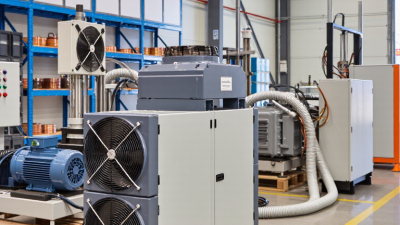
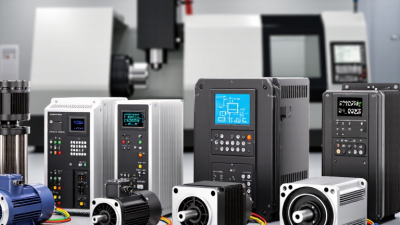
Static, rotary, and VFD designs solve different problems. Static converters use capacitors to start a three-phase motor from single-phase power, but often reduce available motor torque. They suit lighter, intermittent loads, not every compressor or saw. Rotary converters use an idler motor to generate a third leg, making them a stronger option for multiple machines or heavier starts. Still, output balance and maintenance deserve attention. A VFD controls motor speed and can accept single-phase input on some models, but its output is typically variable-frequency three-phase power—not general-purpose single-phase electricity. Check the load and wiring diagram before buying.
The U.S. Department of Energy’s 2014 sourcebook, Improving Motor and Drive System Performance, reports that motor-driven systems account for about 54% of electricity use in U.S. manufacturing. That figure is not a converter-efficiency rating, but it shows why matching the drive to the motor matters. Compare rated horsepower, starting current, duty cycle, and voltage under load. A converter that runs one motor smoothly may not support a second machine. Real installations can be less tidy than catalog examples.
Tips: Photograph the motor nameplate and list every intended load. Ask a qualified electrician to verify phase, voltage, and protection requirements. Leave headroom for startup. Don’t assume a VFD can power lights or other household loads.
A 3-phase-to-single-phase converter should be sized for the actual load, not just the machine’s nameplate headline. Check kilowatts, voltage, starting demand, and whether the load runs continuously. A 5 kW heater behaves differently from a 5 kW motor that starts under load. For 208 V and 240 V equipment, confirm the converter’s output voltage and allowable voltage variation; a small mismatch can mean poor performance or overheating. Leave capacity headroom where the manufacturer’s sizing instructions call for it. Bigger is not automatically better.
Duty cycle matters. A converter rated for intermittent operation may overheat during a long production shift, especially in a hot, poorly ventilated enclosure. Look for continuous-duty ratings and the conditions behind them. Efficiency deserves the same scrutiny: compare input and output power at a realistic load, rather than relying only on a peak figure. The U.S. Department of Energy’s 2014 United States Industrial Electric Motor Systems Market Opportunities Assessment reports that motor-driven systems use about 68% of U.S. industrial electricity. That figure is not a converter-efficiency rating, but it shows why operating losses deserve attention. One detail is easy to miss: actual loads rarely match tidy catalog examples. Record measured current after installation, then review temperature and voltage under sustained operation. I would still treat a paper calculation as a starting point, not proof.
7 Best 3 Phase to Single Phase Converters for 2026
Seven 2026 Picks: Match Converter Ratings to Motor Nameplates
Choosing a converter starts with the motor nameplate, not a guessed horsepower range. Record rated voltage, phase, frequency, full-load amps, and horsepower. Then check the converter’s continuous output rating and its ability to start the load. A pump that starts under pressure may need more starting capacity than a lightly loaded bench tool. Small details matter.
A practical seven-pick shortlist should cover common motor sizes while matching the actual supply voltage and workload. Compare each candidate against the largest motor’s nameplate current, especially when several motors may run together. The U.S. Department of Energy’s Improving Motor and Drive System Performance sourcebook reports that motor-driven systems use about 54% of electricity in U.S. manufacturing. That scale makes careful sizing worthwhile; it does not make every installation predictable. Wiring, load conditions, and voltage drop can change results.
Tips: Photograph the nameplate before shopping. Confirm whether the rating refers to continuous operation or only a brief start. Ask a qualified electrician to verify grounding, protection, and output voltage under load. I have seen neat calculations meet messy real-world wiring. Leave room to recheck the numbers.
Before choosing a converter, confirm the motor’s voltage, horsepower, full-load current, and starting load. A nameplate photo can prevent a costly mismatch. NEC Article 430 addresses motor circuits, including disconnecting means, overload protection, and short-circuit and ground-fault protection. Requirements depend on the equipment, installation, and locally adopted code edition. Ask a qualified electrician or local inspector to verify the design before energizing it. Small details matter.
Tips: Check the converter’s wiring diagram against the actual supply and motor terminals. Confirm conductor sizes, disconnect ratings, and overcurrent-device settings using the equipment instructions and applicable code. Do not guess. A converter may need different protection from the motor itself, so avoid choosing a breaker by horsepower alone.
Grounding deserves a careful inspection. Verify that the equipment grounding conductor reaches the converter enclosure and motor frame, and that connections are clean, secure, and sized appropriately. Do not treat a neutral conductor as a substitute for equipment grounding. Also check that any required bonding follows the device instructions and local rules. Before startup, inspect terminal torque, enclosure access, and conductor strain relief. I have seen neat-looking installations hide loose terminations; appearance alone is not proof of safety. Have a qualified professional test the completed circuit and confirm that protection and grounding behave as intended.