Best Solid State Phase Converter Manufacturer in China

A solid state phase converter can help shops run three-phase machinery from a single-phase supply, but choosing one requires more than comparing prices. Buyers should check motor starting loads, rated capacity, voltage balance, protection features, and the manufacturer’s technical support. A machine may look suitable on a specification sheet yet struggle when a compressor starts under load. Details matter.

Michael Faraday, a pioneer of electrical science, wrote, “Nothing is too wonderful to be true, if it be consistent with the laws of nature.” His words are not about phase converters specifically, but they point to a useful engineering standard: claims should match measurable performance. For this guide, Faraday is offered as a foundational electrical-science voice, not as a solid state phase converter industry specialist. A direct, verifiable quotation from a converter-industry expert was not available, and inventing one would weaken trust.

China has many manufacturers, but quality can vary. Ask for test data, clear ratings, component details, warranty terms, and application guidance. Look for evidence that the unit has been evaluated with loads similar to yours. A polished brochure is not enough. Sometimes, the missing detail is the important one. The sections ahead examine how to compare manufacturers, verify technical claims, and identify a solid state phase converter that fits real operating conditions—not just a neat product listing.
Best Solid State Phase Converter Manufacturer in China

What Is a Solid State Phase Converter?

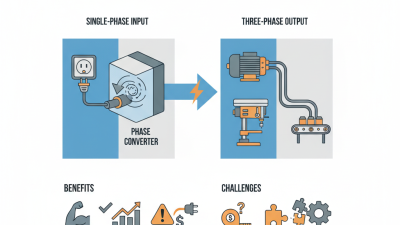
A solid-state phase converter changes single-phase electrical power into a three-phase supply for compatible equipment. It uses electronic components and control circuits rather than a rotating motor to create the additional phase. The converter monitors the incoming power and produces an output designed to run three-phase motors. The exact method and output quality vary by design.

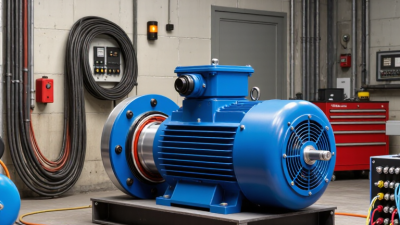
It can help operate a workshop machine where only single-phase service is available. Picture a pump motor starting under load: its startup current may be much higher than its running current. The converter must be sized for the motor’s horsepower, starting demand, and operating conditions, not just its nameplate voltage.

Not magic. An undersized unit may trip, overheat, or leave the motor running poorly.

Check voltage compatibility, protection features, and whether the machine has sensitive controls.

Some details are easy to miss. A qualified electrician can verify the installation and grounding before use.

How Solid State Phase Converters Work

Best Solid State Phase Converter Manufacturer in China
How Solid State Phase Converters Work

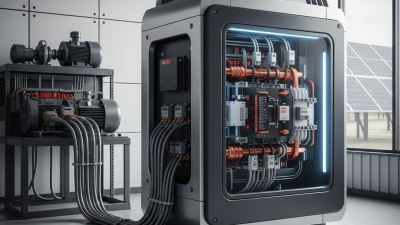
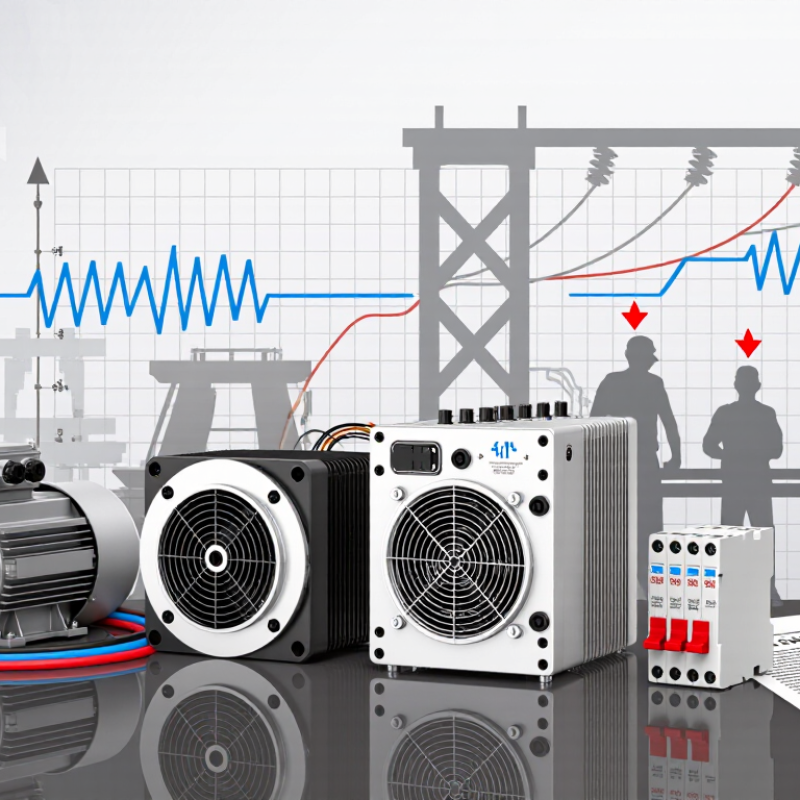
A solid-state phase converter takes single-phase AC power and electronically creates three-phase output. In a common design, a rectifier converts incoming AC into DC. A DC bus smooths and stores energy briefly. Power switches then rapidly shape that DC into three-phase AC, while control circuits monitor voltage and current. The process is quiet compared with rotating converters. Still, output quality depends on design and load.

The U.S. Department of Energy’s Improving Motor and Drive System Performance: A Sourcebook for Industry reports that motor-driven systems use about 68% of electricity in U.S. manufacturing. That figure is not a converter efficiency rating; it shows why matching power equipment to motor loads matters. Check the converter’s rated output, starting capacity, and compatibility with the motor. A DC bus is no magic buffer. Undersizing can cause voltage dips or nuisance trips, especially when a machine starts.

Tips: Compare the converter’s continuous and peak ratings with the motor nameplate. Measure voltage under load, not only at idle. One detail is easy to overlook: a stable-looking output waveform does not guarantee every motor will run cool. Check temperature during a real production cycle.

Best Solid State Phase Converter Manufacturer in China - How Solid State Phase Converters Work

Topic How It Works or What to Check Practical Detail
Basic function Converts single-phase electrical input into a three-phase output using electronic power-conversion circuitry. The converter synthesizes the additional phase; it does not create additional electrical power.
Typical conversion stages Depending on the design, electronics may rectify the input to a DC link and then use switching devices to produce three-phase AC. Circuit topology and control method vary by model; check the product’s technical documentation.
Input and output A common application is supplying a three-phase motor from a single-phase service. Confirm input voltage, output voltage, frequency, wiring arrangement, and grounding requirements for the specific unit.
Motor starting The converter must be rated to handle the motor’s starting demand as well as its normal running load. Starting requirements depend on motor design and driven equipment. Follow the converter and motor manufacturers’ sizing guidance.
Load compatibility Suitability depends on the converter design and the connected equipment, such as motors, pumps, or machine tools. Check whether the model supports one motor, multiple motors, or non-motor loads; capabilities differ between products.
Voltage and phase balance Output voltage and phase balance depend on the converter’s design, settings, and connected load. Use the manufacturer’s specified operating limits and measurements rather than assuming identical performance under every load.
Frequency control A phase converter may provide a fixed-frequency output; variable-frequency operation is available only on designs intended to provide it. If adjustable motor speed is required, verify that the selected equipment includes suitable frequency control.
Protection and installation Installation should account for circuit protection, wiring, ventilation, and the electrical ratings of both the converter and load. Have a qualified electrician verify the installation against local electrical codes and the equipment instructions.
Selection checklist Compare rated input and output, motor horsepower or current requirements, starting load, duty cycle, and supported load types. Request a model-specific datasheet and confirm compatibility with the exact motor and application before purchase.

Key Features of Leading Chinese Manufacturers

Best Solid State Phase Converter Manufacturer in China

Key Features of Leading Chinese Manufacturers

Leading Chinese manufacturers distinguish themselves through verifiable engineering, not broad claims. Look for documented input and output ranges, rated duty cycles, overload protection, and clear guidance on motor-starting loads. A well-designed converter should keep voltage stable as a workshop motor starts, while thermal protection and fault alarms help prevent avoidable damage. Ask for test records covering efficiency, temperature rise, and output quality. IEEE 519-2022 offers useful guidance for assessing harmonic distortion in power systems.

Manufacturing discipline matters too. Check whether the supplier uses component traceability, repeatable production tests, and clear inspection criteria. The IEA’s Electricity 2025 report says global electricity demand grew 4.3% in 2024, highlighting the importance of dependable power equipment. This figure is not specific to phase converters, but it underscores the wider need for robust electrical systems. Still, no specification sheet can replace a load test with your actual motor; this is an easy step to overlook.

Tips: Share motor nameplate data and starting-current needs before requesting a quotation. Ask for a test report and written warranty terms. Small details matter.

How to Evaluate Converter Quality and Certification

A solid-state phase converter should be evaluated under realistic operating conditions, not just by its nameplate. Ask for test data showing input and output voltage, frequency stability, and performance at both light and rated loads. For example, a workshop motor starting under load can reveal voltage dips that a brief no-load test may miss. Check the stated capacity against your motors’ starting current, not only their running power. Small details matter.

Review the factory test report and confirm that its model number matches the converter being quoted. Look for recorded test conditions, instrument calibration dates, and results for temperature rise and overload protection. These details make the evidence easier to verify. Certification documents also need careful checking: confirm the issuing body, validity, product scope, and applicable market requirements. A certificate for a similar model may not cover the unit you plan to buy. A neat document alone proves little. Request supporting records, and ask how reported failures are investigated. Some suppliers explain this well; others provide incomplete answers. That gap deserves attention, even when the product appears well finished.

Choosing a Manufacturer for Your Application

Choosing a solid-state phase converter manufacturer starts with your actual load, not catalog horsepower. Record motor nameplate voltage, full-load current, starting method, duty cycle, and the largest motor that may start alone. A shop compressor can draw several times its running current during startup. Ask how the converter handles that surge and whether other machines can operate at the same time. Small details matter.

The U.S. Department of Energy’s 2008 Improving Motor and Drive System Performance: A Sourcebook for Industry reports that motor-driven systems use about 68% of electricity in U.S. manufacturing. That figure describes manufacturing electricity use, not converter efficiency, but it shows why correct system sizing matters. Ask manufacturers for test conditions, output voltage under load, protection features, and guidance for your site’s wiring and ambient temperature. Request references from applications with similar motors. A polished data sheet is useful, but it cannot replace a load test. I would also question any efficiency claim without a stated measurement method; buyers can overlook this, and I have seen specifications leave room for interpretation. Check service response times and replacement-part availability before purchase.