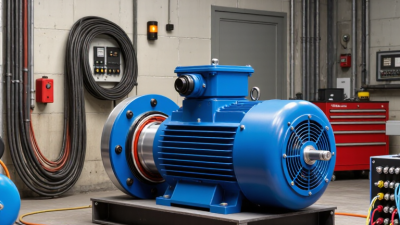
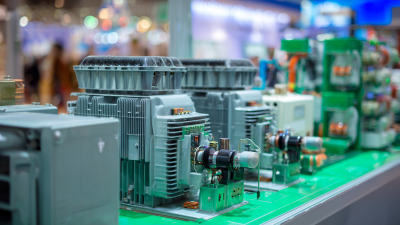
What Is a Single Phase to 3 Phase Converter?

A single-phase supply can power many workshop tools, but some industrial motors need three-phase power. A single phase to 3 phase converter creates a usable three-phase output from a single-phase source. The result can help operate a machine where utility three-phase service is unavailable. It is not a universal fix.

Converter designs work differently. A variable-frequency drive converts incoming power and synthesizes a controlled output, while rotary converters use a motor-generator arrangement. For a small shop, a VFD may offer speed control and a compact installation. The right choice depends on the motor, its load, and the manufacturer’s specifications. Not horsepower alone.

Starting current matters. A compressor or loaded saw may demand more than its running rating suggests. Check the motor nameplate, supply voltage, phase requirements, and starting conditions before choosing equipment. With a VFD, confirm that its input supports single-phase operation; some models require capacity derating. Follow the product manual and use a qualified electrical professional for installation.

A verified quotation from a named converter-industry expert was not included in the supplied material, so I will not invent one or assign false words to a specialist. That limitation matters. The practical question is whether the converter can support the actual motor and load, not just whether its label shows a matching horsepower rating. This guide explains how converters work, what to compare, and which details deserve a closer look. Real installations can be messier than a specification sheet suggests.
What Is a Single Phase to 3 Phase Converter?

What a Single-Phase to Three-Phase Converter Is

A single-phase to three-phase converter changes single-phase input power into three-phase output for equipment designed to use it. It can let a workshop run a three-phase motor where only single-phase service is available. Common designs include static, rotary, and electronic converters; their output characteristics differ. A variable-frequency drive is one electronic option, especially when motor speed control is needed. It is not automatically suitable for every three-phase machine. Check the equipment’s voltage, frequency, starting current, and load requirements.

That distinction matters.

The U.S. Department of Energy’s 2014 United States Industrial Electric Motor Systems Market Opportunities Assessment reports that motor-driven systems use about 68% of electricity in U.S. manufacturing. The figure reflects the importance of motor loads, not a guarantee that conversion will save energy.

Converter capacity must account for the motor’s starting demand, which can be much higher than its running load. A small unit may struggle when a compressor starts or several machines run together. In practice, measure the load and consult a qualified electrician before selecting a converter. Converter performance can vary, and that uncertainty deserves attention.

How the Converter Produces Three-Phase Power

A single-phase to three-phase converter does not simply split one wire into three. In a common electronic design, a rectifier first changes incoming AC into DC. A capacitor-based DC link steadies that energy, then an inverter switches it through power transistors. Its three output legs are timed 120 electrical degrees apart, creating a rotating magnetic field in a compatible motor. The output waveform is usually a rapid series of voltage pulses, not three perfect sine waves. The motor’s inductance smooths much of that pattern.

Frequency control matters. Changing output frequency changes motor speed, while voltage is adjusted to support the motor’s magnetic field. There is a catch: converting phases does not create extra power. For the same output load, the single-phase input can draw substantial current, so wiring, protection, converter rating, and motor starting demands need careful checking. That part is easy to underestimate. The U.S. Department of Energy’s 2014 Industrial Electric Motor Systems Market Opportunities Assessment reports that motor-driven systems account for about 68% of U.S. industrial electricity use. This helps explain why matching the converter to its motor and duty cycle matters: even a small mismatch can affect heat and operating efficiency. Real installations also deserve measurement, because supply voltage and load conditions vary. A neat diagram cannot capture every workshop.

What Is a Single Phase to 3 Phase Converter?

How the Converter Produces Three-Phase Power

This illustrative chart shows balanced three-phase output at 50 Hz, with each phase at 230 V RMS relative to neutral (about 325 V peak). A converter can rectify single-phase input to DC, then use inverter switching to synthesize three AC phases separated by 120°. Actual output voltage and frequency depend on the converter and its settings.

Main Converter Types and Their Components

What Is a Single Phase to 3 Phase Converter?

Main Converter Types and Their Components

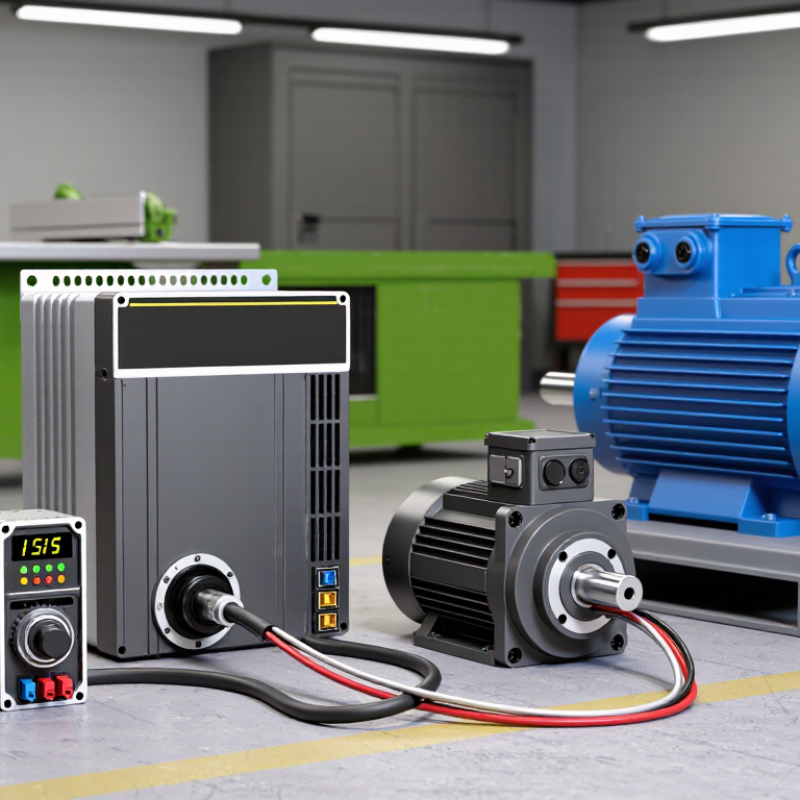
A single-phase-to-three-phase converter supplies three-phase power where only single-phase service is available. The main options are static converters, rotary converters, and variable-frequency drives (VFDs). Each uses different components, so the right choice depends on the motor and its workload.

A static converter uses capacitors and a switching circuit to help start a three-phase motor. After startup, the motor may not receive balanced three-phase power, which can reduce usable output.

A rotary converter adds an idler motor, capacitors, and a control panel. The idler generates a third leg, making this type more suitable for running multiple machines or uneven loads. Still, sizing and balancing matter.

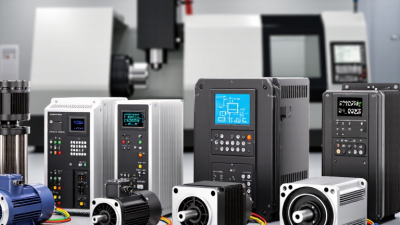
A VFD typically contains a rectifier, a DC bus with capacitors, an inverter using power switches, and a control board. It converts incoming power and adjusts the output frequency and voltage to control motor speed. It is often a practical choice for one compatible motor, but it is not automatically a replacement for a building-wide three-phase supply. Some loads are fussy.

The U.S. Department of Energy’s Better Buildings program reports that motor-driven systems account for about 54% of electricity use in U.S. manufacturing. That figure underscores why correct motor matching matters; it does not predict converter savings.

Check the motor nameplate and the converter’s rated output before installation.

Common Uses for Single-Phase to Three-Phase Conversion

What Is a Single Phase to 3 Phase Converter?

Common Uses for Single-Phase to Three-Phase Conversion

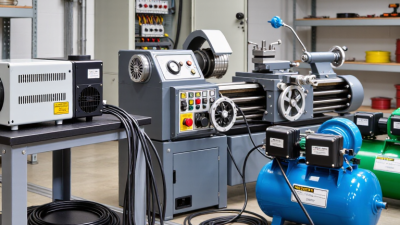
A single-phase-to-three-phase converter supplies three-phase power to equipment where only single-phase service is available. This is useful in small machine shops, farms, repair garages, and rural workshops. A lathe, air compressor, or irrigation pump may require a three-phase motor, even when the building has a standard single-phase supply. The converter can make that equipment usable without replacing the motor.

That matters.

The right application depends on the load. A technician should check the motor’s voltage, horsepower, starting current, and expected operating time before selecting a converter. Multiple machines starting together can place more demand on the system than one motor running alone. Some sensitive equipment may also need a carefully balanced output, so a basic converter is not automatically suitable.

Not every setup fits.

In practice, matching the converter to the actual machines—and confirming the wiring and protection with a qualified electrician—can prevent nuisance trips, poor performance, or unnecessary wear. A little planning helps, though it does not guarantee every older motor will run smoothly.

How to Choose and Install a Converter Safely

A single-phase-to-three-phase converter lets compatible three-phase equipment run where only single-phase power is available. Converter types include static, rotary, and variable-frequency models, and each handles loads differently. A variable-frequency drive can control a motor’s speed, but it is not automatically suitable for every three-phase appliance. Match the converter to the motor’s nameplate voltage, full-load current, frequency, and starting demands. Check the manufacturer’s sizing guidance, too. A motor that starts under heavy load may need more capacity than its running current suggests. That detail matters.

Safe installation starts with a clear plan. Read the converter and motor manuals, and have a qualified electrician assess the supply, wiring, grounding, and overcurrent protection. The installation may need a dedicated circuit and a suitable disconnect. Keep the converter’s ventilation openings clear; a dusty corner or crowded cabinet can cause overheating. Follow local electrical requirements. Do not guess. After installation, verify settings and operation before putting the equipment under normal load. If it trips or runs hot, stop and investigate rather than repeatedly resetting it.

Tips: Photograph the motor nameplate before shopping. Confirm that the converter supports your exact motor and intended use. Leave space for airflow, and label the disconnect clearly. Small details are easy to overlook, even in a careful installation.