10 Tips for Choosing a 3 Phase Converter

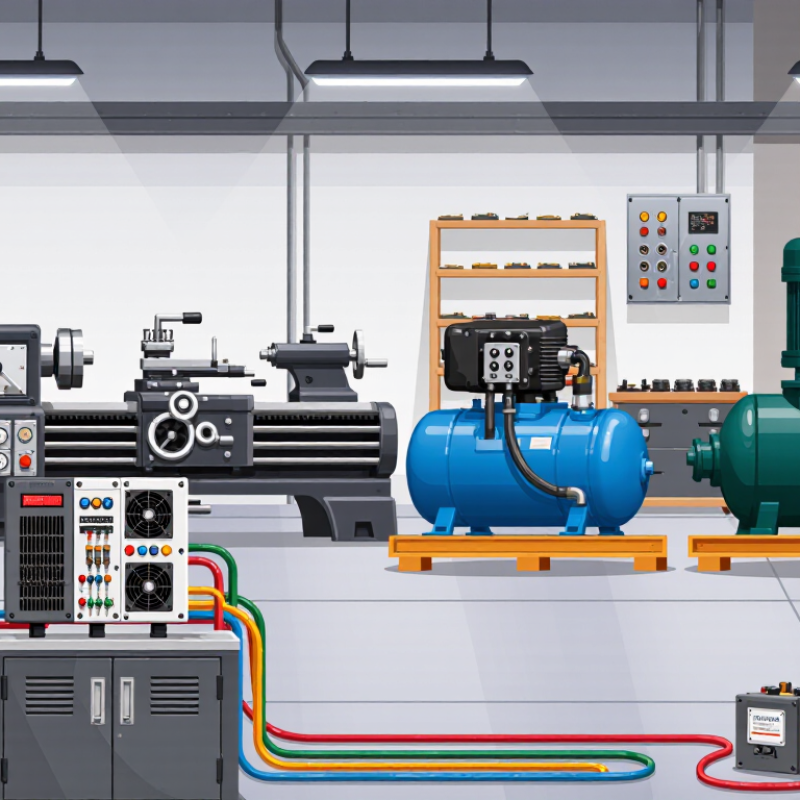
Choosing a 3 phase converter starts with the machine you need to run, not the converter’s advertised horsepower. A workshop lathe, a compressor, and a pump can place very different demands on the same electrical supply. Check the motor nameplate, voltage, phase, horsepower, starting current, and expected workload before comparing models. Small details matter. A motor that starts smoothly without a load may struggle when a compressor starts under pressure.

Austin Hughes, co-author of Electric Motors and Drives, is a respected reference in motor-drive fundamentals. A concise paraphrase of the practical lesson in this field is: Match the equipment to the motor’s actual duty, not just its nameplate rating. This is a paraphrase, not a direct quotation. It points to a common mistake: choosing by horsepower alone while overlooking starting demands, operating time, or other connected motors.

The ten tips ahead explain how to compare converter types, size capacity, assess phase balance, and check compatibility with your equipment. They also consider installation conditions, protection features, and future expansion. Look closely at the manufacturer’s specifications. Ask an electrician or qualified supplier to verify uncertain details, especially where several machines share a converter. A careful choice can support reliable operation and reduce avoidable downtime, but it cannot fix every mismatch. That deserves a second look.
10 Tips for Choosing a 3 Phase Converter

Understanding How Three-Phase Converters Work

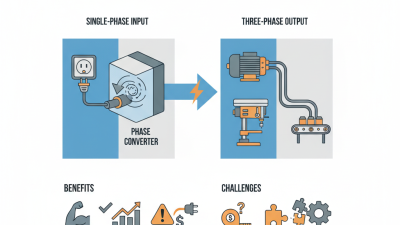
A three-phase converter takes single-phase power and creates three-phase output for equipment designed to use it. The exact method depends on the converter type. A static converter uses capacitors to help start a motor, but may deliver less usable power while it runs. A rotary converter uses an idler motor to generate a third leg. An electronic converter, often called a VFD, controls output frequency and voltage for compatible motors. These options are not interchangeable.

Start with the machine’s nameplate. Note its voltage, phase, horsepower, and full-load current. Then check the converter’s continuous rating and starting capacity; a motor can draw several times its running current at startup.

That matters.

Also consider what else will run at the same time. A converter sized only for one motor may not suit multiple machines or sensitive controls. I would not rely on horsepower alone. The numbers can be easy to misread, especially on older equipment.

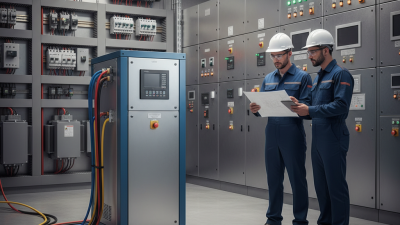
Match the output voltage to the load, and confirm whether the converter supports the motor’s starting method and duty cycle. Some converters produce voltage imbalance, so measure all three output legs under load before connecting valuable equipment. A VFD may be a practical choice for speed control, but its output should generally feed a suitable motor, not unrelated devices. Have a qualified electrician verify wiring, grounding, protection, and supply capacity. Even a well-sized unit can disappoint if the incoming circuit is undersized.

Identifying Your Equipment’s Power Requirements

Before choosing a three-phase converter, check the equipment nameplate. Record its voltage, frequency, phase, horsepower, and full-load amps. Do not size from horsepower alone. Two machines with the same horsepower can draw different current. Note whether the motor runs continuously, starts often, or drives a heavy load.

Starting current can briefly exceed running current, especially when a motor turns a loaded pump, compressor, or conveyor. Check the equipment manual for startup or locked-rotor information, and compare it with the converter’s rated capacity. Also confirm the input supply and required output voltage match your setup. It feels tedious. But a mismatch can cause difficult starts, voltage drop, or nuisance shutdowns.

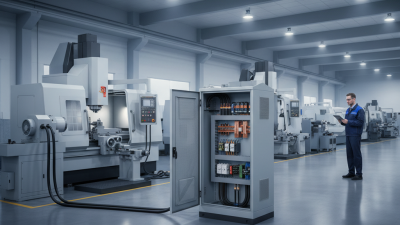
List every machine that might run at the same time. A converter sized for one lathe may not support that lathe and a dust collector together. Account for duty cycle and any manufacturer derating guidance, particularly in hot or poorly ventilated spaces. If the nameplate is missing or unclear, measure operating current with suitable equipment or ask a qualified electrician to verify it. Guessing from a brief test can miss the real startup demand. I may be overcautious here, but one careful inventory is cheaper than repeated troubleshooting.

Comparing Converter Types and Their Capabilities

A three-phase converter should match the load, not just the voltage listed on a machine’s nameplate. Static converters are compact and relatively simple, but often provide reduced starting torque and may limit a motor’s usable horsepower. They can suit a lightly loaded machine. Rotary converters use an idler motor to generate a third phase and can support several machines when properly sized. Electronic converters can offer more controlled output, but their motor and multi-load compatibility varies by design.

Tip: Check the largest motor’s starting current, total connected load, and required voltage. Confirm whether motors may start together. Compare the converter’s continuous rating with actual operating needs, not just its peak rating. Read the equipment documentation.

A variable-frequency drive can be a good option for controlling one compatible motor’s speed, but it is not automatically a whole-shop power source. Verify its input and output requirements before choosing it. Also consider wiring, protection, and ventilation; a warm, dusty corner can shorten equipment life. I would recheck the load assumptions, too. They’re easy to get wrong. If several machines share a converter, ask a qualified electrician to review the setup and expected load balance.

10 Tips for Choosing a 3 Phase Converter - Comparing Converter Types and Their Capabilities
# Selection Tip Static Phase Converter Rotary Phase Converter Variable Frequency Drive (VFD) Digital Phase Converter
1 Confirm the available power supply. Check the supply phase, voltage, frequency, and circuit capacity against the converter and machine requirements. Commonly used to run a compatible three-phase motor from single-phase power; voltage and capacity must match. Available in configurations for single-phase input and three-phase output; confirm input and output ratings. Many models accept single-phase input and provide three-phase output, but input limits and derating vary by model. Input and output options vary; verify the exact voltage, frequency, and phase ratings.
2 Size for the motor and its starting load. Use the motor nameplate and the machine manufacturer’s starting requirements, not horsepower alone. Typically suited to starting one motor; starting performance and usable motor power depend on converter sizing and load. Can be sized for heavier starting demands; the idler and converter must be selected for the application. Provides controlled motor starting when correctly selected; the drive must be rated for the motor and load. Starting capacity depends on the design and rating; check specified motor and overload limits.
3 Decide whether you need one motor or several. Consider whether motors will run at the same time and whether each needs independent control. Generally intended for a single motor and is not a good choice for operating several motors together. Can supply multiple machines when properly sized, though simultaneous starting and total load must be considered. Usually serves one motor per drive. Multiple motors require a drive designed for that arrangement and appropriate motor protection. Some units can serve multiple loads; capability depends on the specific converter and connected load mix.
4 Consider whether variable speed is required. Identify any need for speed adjustment, ramps, or controlled stopping. Does not provide variable-speed control. Normally supplies power at the utility frequency and does not provide motor speed control. Designed to control motor speed and commonly offers adjustable acceleration and deceleration settings. Some models provide fixed-frequency output; variable-speed features are available only on designs that specifically include them.
5 Match the converter to the machine’s load type. Pumps, fans, compressors, machine tools, and high-inertia equipment can have different starting and operating demands. Best considered for compatible, relatively straightforward motor applications; check suitability for the actual load. Often considered for shop equipment and mixed motor loads, subject to correct sizing and manufacturer guidance. Can suit many motor applications, but the drive must be compatible with the motor, load, and required torque profile. Load compatibility varies by model; confirm suitability for the machine’s starting, running, and transient demands.
6 Check voltage balance and equipment sensitivity. Determine whether the machine requires balanced three-phase power or has sensitive controls. Can produce an unbalanced supply while running; suitability depends on the motor and equipment requirements. Output balance depends on design, sizing, and load; check the manufacturer’s specifications for the expected balance. Produces variable-frequency output rather than ordinary fixed-frequency utility power; confirm compatibility with the machine and controls. Many designs use electronic control to regulate output, but balance and waveform specifications differ by model.
7 Account for motor protection and controls. Confirm that overload protection, disconnects, grounding, and control wiring are appropriate. Use suitable motor overload protection; the converter itself does not replace required machine protection. Provide appropriate protection for the idler motor, connected motors, and branch circuits. Configure drive protection to the motor nameplate and follow guidance for overloads, grounding, and wiring. Protection features vary; verify the required external protection and installation provisions.
8 Plan for operating efficiency and idle consumption. Compare expected operating hours, load patterns, and standby requirements. May be a simple option for an occasional single-motor application, but operating performance depends on the converter and load. The idler motor can consume power while energized, including when the machine load is light; operating practices matter. Can reduce motor speed to match demand in suitable applications, but savings depend on the process and drive setup. Power consumption and efficiency vary by design and load; consult published ratings rather than assuming a specific saving.
9 Review installation and environment. Check enclosure rating, ventilation, temperature, dust, wiring distance, and applicable electrical codes. Installation needs depend on the unit and site; provide appropriate protection and ventilation. Allow for the idler motor’s size, noise, ventilation, and secure mounting. Follow drive requirements for cooling, enclosure, cable length, grounding, and motor-lead installation. Confirm enclosure, cooling, clearance, and installation requirements for the selected unit.
10 Compare total cost and future needs. Include installation, protection, maintenance, expansion, and the cost of any required speed control. Often has a lower initial cost for a limited single-motor application, but offers fewer capabilities. Can be practical for multiple loads, but includes the cost and space needs of the idler and installation. Adds speed-control capability, but may require configuration, compatible motors, and application-specific setup. Features and costs vary widely; compare documented ratings, support, and expansion options.

Note: Converter performance and compatibility depend on the specific unit, motor, load, and installation. Check equipment nameplates and manufacturer documentation, and have electrical work performed in accordance with applicable codes.

Evaluating Installation, Safety, and Operating Costs

Before comparing prices, check the machine’s nameplate for voltage, horsepower, and full-load current. A converter must handle both steady operation and the motor’s starting surge. A small shop compressor may draw much more current at startup than while running. Ask an electrician to confirm the incoming supply, wiring route, grounding, and required protective devices. Installation space matters, too: converters need suitable ventilation and access for inspection. Tight corners collect heat. That detail is easy to overlook.

Next, compare operating costs across the hours you actually use the equipment. A unit that stays energized between jobs may consume power while idle, so include standby use in your estimate. Check the manufacturer’s efficiency data and maintenance requirements, then consider your duty cycle rather than relying only on purchase price. Different converter designs behave differently with motor loads, and some machines may need extra review for variable speed or sensitive controls. Not always. Ask for a written sizing recommendation based on the actual load. Estimates can still miss unusual startup behavior; recording current during a typical work cycle can help refine the choice.

Selecting and Verifying the Right Converter

Choosing the right three-phase converter starts with the load, not its advertised horsepower. Record the motor’s nameplate voltage, full-load amps, frequency, and starting method. Compare these with the converter’s continuous output and starting capacity. A pump, compressor, and unloaded fan can demand very different startup current. Leave margin. Do not guess.

The U.S. Department of Energy’s 2014 report, Improving Motor and Drive System Performance: A Sourcebook for Industry, estimates that motor-driven systems consume about 68% of U.S. manufacturing electricity. That figure is not a sizing rule, but it highlights why efficiency and operating hours matter. Compare input current and idle losses as well as output capacity. Check whether a static, rotary, or variable-frequency converter suits the load; performance can change under different operating conditions.

Verify operation at the machine terminals. Measure phase-to-phase voltage and current during startup and steady running. Then check for unusual imbalance, noise, or heat after a realistic run. Use an instrument suited to the converter’s waveform, especially with variable-frequency output. Confirm grounding, protection, and ventilation against the equipment manual and applicable electrical codes. I would recheck readings after warm-up; a brief test can miss voltage sag. Record the results for future comparison.