Why Choose VFD Phase Converter for Your Business Needs?
In the ever-evolving landscape of industrial power systems, choosing the right phase converter is crucial. Many businesses are turning to VFD phase converters to meet their unique demands. According to Dr. John Patterson, a renowned expert in electrical engineering, “VFD phase converters offer flexibility and efficiency unmatched by traditional methods.” This highlights the growing preference for VFD technology.
VFD phase converters excel in converting single-phase power to three-phase power. This makes them ideal for various applications, from manufacturing to HVAC systems. Companies appreciate their ability to run multiple machines simultaneously without sacrificing performance. However, integrating them requires careful consideration of power requirements and load characteristics. Not all systems are compatible, and improper usage can lead to inefficiencies.
While VFD phase converters present many advantages, they also introduce complexities. Understanding your specific business needs is essential for optimal implementation. As technology advances, businesses must adapt continually. Mistakes can be costly, but with the right knowledge, VFD phase converters can significantly enhance operational capabilities.
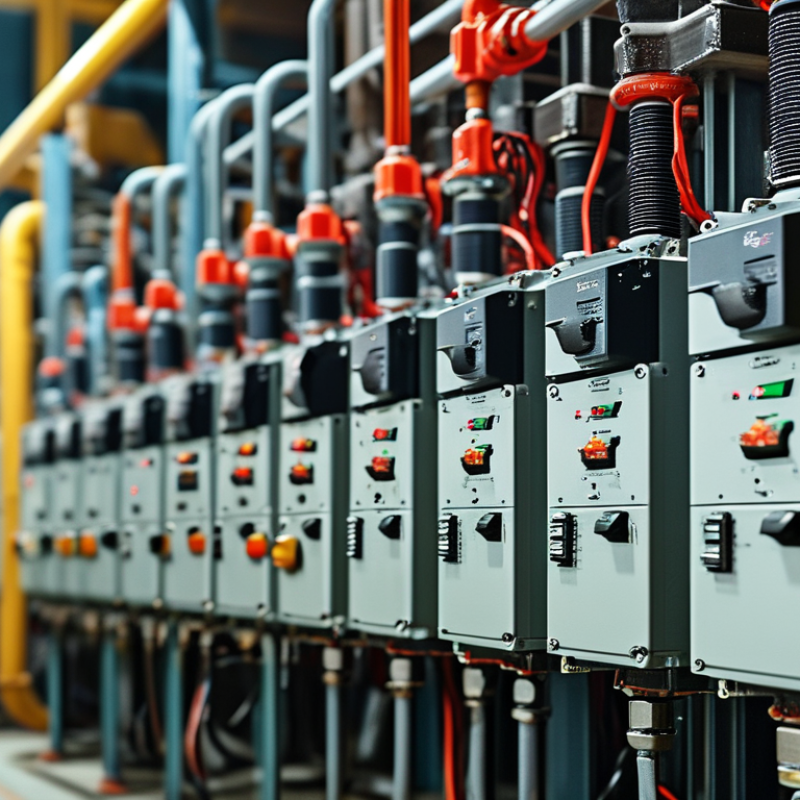
Overview of VFD Phase Converters and Their Functionality
Variable Frequency Drive (VFD) phase converters play a crucial role in modern industrial applications. These devices convert single-phase power into three-phase power. This process is essential for operating three-phase motors efficiently. Many industrial operations depend solely on three-phase systems for their machinery and equipment. This makes VFD phase converters a valuable asset.
The functionality of VFD phase converters is notable. They adjust motor speed and torque according to the demands of the task. Users can control energy use and enhance machine performance. For instance, a manufacturing plant can optimize production rates by tailoring motor performance to specific requirements. This flexibility is a significant draw for businesses aiming to improve efficiency.
However, not every business is equipped to take full advantage of these converters. Some may find the initial setup challenging. There is often a learning curve involved in understanding how to best utilize the technology. Businesses must consider training staff to ensure proper operation. Moreover, periodic maintenance is necessary to keep the system running smoothly. Choosing to implement a VFD phase converter requires reflection on these aspects.
Why Choose VFD Phase Converter for Your Business Needs? - Overview of VFD Phase Converters and Their Functionality
| Feature |
Details |
| Functionality |
Converts single-phase power to three-phase power to operate three-phase equipment. |
| Efficiency |
Offers high efficiency with minimal energy loss during conversion. |
| Cost-Effectiveness |
Reduces the need for expensive three-phase service installations. |
| Applications |
Suitable for various applications including manufacturing, pumps, and HVAC systems. |
| Ease of Installation |
Simple setup and integration with existing electrical systems. |
| Durability |
Designed to withstand industrial environments and prolonged use. |
| Control Options |
Available with various control mechanisms for precise motor speed regulation. |
Advantages of Using VFD Phase Converters for Businesses
VFD phase converters offer significant advantages for businesses seeking efficient power solutions. They effectively convert single-phase electricity to three-phase power, enabling a broader range of machinery to operate smoothly. This flexibility is crucial for companies that rely on equipment needing three-phase power, such as motors and pumps. Implementing VFD phase converters can lead to improved energy efficiency, reducing your overall operational costs.
Another key benefit is better equipment protection. VFD phase converters can help control the speed and torque of motors. This control minimizes mechanical wear, leading to longer equipment lifespans and less frequent repairs. Furthermore, the ability to adjust motor speed can enhance production efficiency, allowing businesses to optimize their processes.
When considering VFD phase converters, it is important to weigh their complexity. While they provide many benefits, they also require careful installation and calibration. Improper setup can lead to suboptimal performance and even damage. Continuous evaluation of your system's performance is essential to ensure that it meets your operational needs.
Comparing VFD Phase Converters with Traditional Phase Converters
When evaluating VFD (Variable Frequency Drive) phase converters versus traditional phase converters, there are noticeable differences. VFD phase converters offer precise control over output frequency and voltage. This flexibility allows businesses to run various equipment efficiently. In contrast, traditional phase converters tend to produce a fixed output. This can lead to inefficiencies if the machinery requires different power levels.
VFD phase converters also improve energy efficiency, reducing operational costs over time. They can adapt to load changes promptly. This adaptability minimizes wastage. Traditional converters lack this feature and may lead to increased electricity bills. For companies with varying power requirements, VFD technology can provide significant savings.
Tip: Consider the load requirements of your machinery before making a choice. This can prevent overspending on power solutions that don't meet your needs.
Another important aspect is maintenance. VFD phase converters typically require less frequent maintenance compared to traditional options. This can save time and resources. However, it's critical to ensure the VFD system is correctly set up. Poor installation can lead to performance issues.
Tip: Regularly check your VFD settings for optimal performance. This can prevent costly downtime due to misconfiguration.
Key Applications of VFD Phase Converters in Various Industries
VFD phase converters are gaining traction across various industries for their efficiency and versatility. One key application is in manufacturing, where machinery often requires three-phase power. VFD converters allow single-phase supply to power equipment effectively. This capability ensures smooth operation and saves energy.
Another significant application is in agriculture, where irrigation systems and pumps rely on reliable power sources. A VFD phase converter can regulate motor speeds, enhancing water management. This adaptability helps farmers optimize water usage, reducing costs and environmental impact.
In construction, tools and machinery are often powered by three-phase electricity. Using a VFD phase converter allows contractors to utilize available single-phase power effectively. This flexibility avoids the expense of upgrading electrical systems. While VFDs offer many benefits, potential users should consider challenges, such as initial costs and installation complexity.
Factors to Consider When Choosing a VFD Phase Converter for Your Needs
Choosing the right VFD phase converter is crucial for any business. Start by assessing your specific power needs. Consider the total horsepower of the machinery you will use. This step ensures the converter can handle the load effectively. Underestimating power requirements could lead to equipment failure.
Evaluate the installation space and electrical setup in your facility. Some converters require more room or specific connections. Ask yourself if your existing wiring meets the voltage and phase specifications. A mismatch can cause operational challenges. Also, think about future expansions. Will your current choice accommodate additional machinery?
Think about the durability and maintenance needs of the converter. Longevity is essential for your investment. Regular maintenance can reduce unexpected breakdowns. Some models may have complex setups that require expert installation. Ensure your team is equipped or consider hiring a professional. This reflection could save money and time in the long run.