2026 Best Single Phase to Three Phase Converter for Buyers
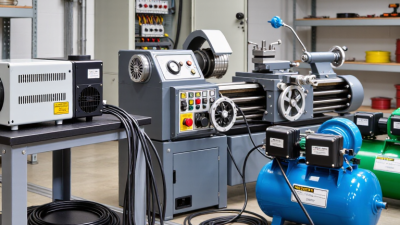
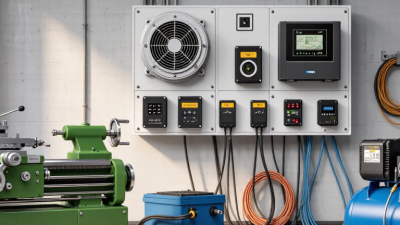
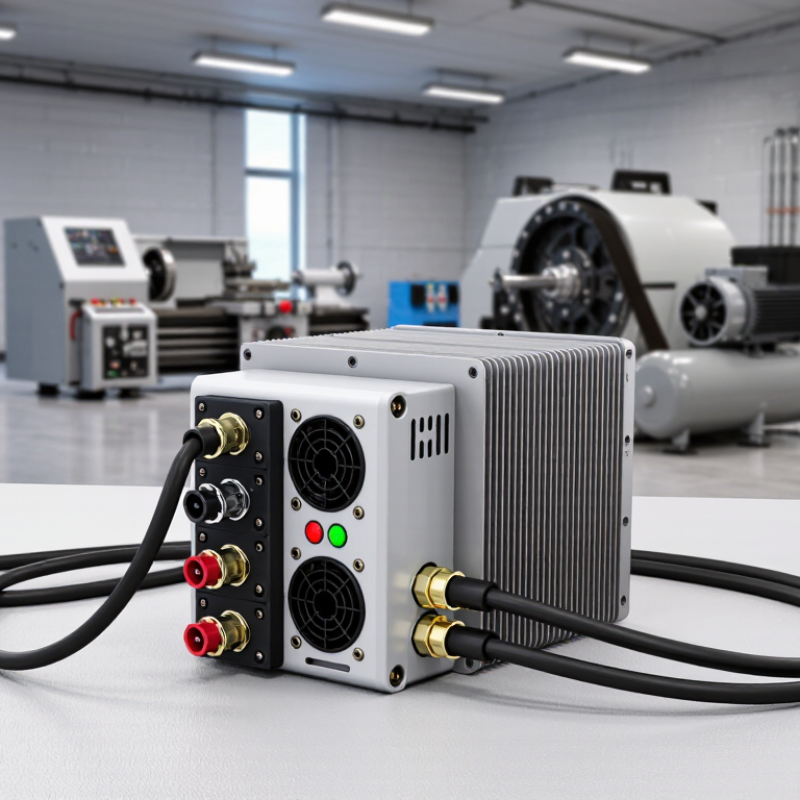
A single phase to three phase converter can help buyers run three-phase machinery where only single-phase service is available. Choosing one is not just a matter of matching voltage. The converter must suit the machine’s load, motor size, starting demand, and operating pattern. A lathe that starts under light load may behave differently from a compressor that starts against pressure. Details matter.
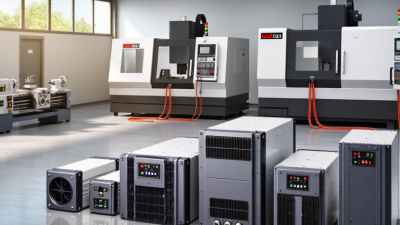
This guide compares common converter options, including rotary, static, and digital models, and explains where each may fit. Buyers should check input and output voltage, horsepower ratings, phase balance, protection features, and the manufacturer’s sizing guidance. A unit that looks adequate on a product page may struggle when a motor starts or several machines operate together. Not always.
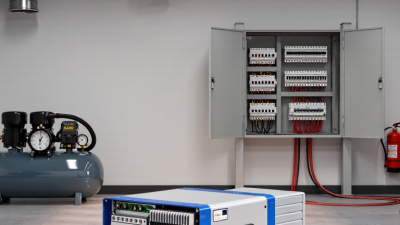
Installation conditions also count. Available space, ventilation, wiring, and the condition of existing equipment can affect performance and reliability. Specifications provide a useful starting point, but they cannot answer every site-specific question. That is an easy point to overlook. Confirm compatibility with the machine manufacturer and consult a qualified electrician when evaluating wiring or installation requirements. This overview is intended to help buyers ask better questions, not replace equipment documentation or professional advice. The best choice is the one that fits the actual workload, offers clear technical support, and leaves enough capacity for realistic operating demands. A little caution now can prevent an expensive mismatch later.
Single-Phase-to-Three-Phase Basics: IEC 60038’s 230/400 V Nominal System
IEC 60038 uses 230/400 V to describe a common low-voltage supply system. The first figure is the nominal voltage between one phase and neutral. The second is the nominal voltage between two phases. That distinction matters. A single-phase 230 V wall supply does not automatically provide 400 V three-phase power.
Many single-phase-input converters produce three-phase output near 230 V. This can suit a 230 V three-phase motor, when its nameplate and wiring configuration allow it. A motor rated for 400 V three-phase may need a voltage-boosting converter or another suitable arrangement. Check the nameplate. Do not choose by the converter’s phase count alone; confirm its input and output voltage ratings.
Before buying, record the supply voltage, motor nameplate voltage, rated current, and starting requirements. Compare these with the converter’s continuous output rating and installation instructions. Also check whether the motor can be connected for the converter’s output voltage. A site measurement can reveal voltage drop under load, which a quick glance at a meter may miss. Horsepower alone is an imperfect guide. It is easy to overlook that detail.
Compare Rotary, Static, and VFD Converters by Load and Duty Cycle
Choosing a single-phase to three-phase converter starts with the machine, not the advertised horsepower. Check the motor nameplate, starting current, and expected hours of operation. A compressor that starts repeatedly places different demands on a converter than a fan running steadily. Small details matter.
A static converter is compact and often suited to starting one lightly loaded motor. It may provide reduced starting torque, and the motor can lose usable power. Check the manufacturer’s sizing guidance before relying on full nameplate output. Static units are usually a poor fit for frequent starts or changing loads.
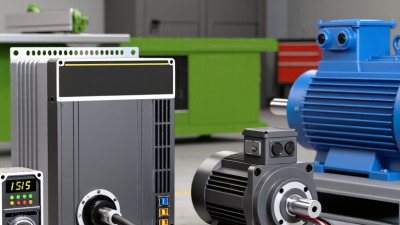
A rotary converter uses an idler motor to generate three-phase power. It can serve several machines, depending on sizing, and may suit shop equipment with heavier starts. It needs floor space and can draw power while idle. A variable frequency drive, or VFD, is often practical for one motor needing controlled speed or gentle acceleration. Confirm it accepts single-phase input; many require derating. It generally should not supply multiple motors unless specifically designed for that arrangement. Match the converter to the load’s starting demands and duty cycle. A simple horsepower comparison can mislead. Check voltage balance, protection, ventilation, and the actual work pattern before installation.
2026 Best Single Phase to Three Phase Converter: Sizing by Load and Duty Cycle
Typical planning multipliers for a single motor, expressed as converter or drive horsepower relative to motor nameplate horsepower. Rotary converters and VFDs are shown at the midpoint of a common 1.5–2.0× planning range; actual sizing depends on starting load, input current, and manufacturer specifications.
Use the motor nameplate and the converter or drive manufacturer’s sizing guidance before purchasing. Static converters are generally suited to one motor at a time and may require reduced motor capacity; rotary converters can support multiple motors when properly sized; a VFD typically controls one motor and may require input-side derating on single-phase supply.
Size Capacity with the √3 Three-Phase Power Formula
2026 Best Single Phase to Three Phase Converter for Buyers
Size Capacity with the √3 Three-Phase Power Formula
Choosing a converter by motor horsepower alone can lead to undersizing. For a balanced three-phase load, estimate power with kW = √3 × line voltage × line current × power factor ÷ 1,000. The U.S. Department of Energy’s 2014 Improving Motor and Drive System Performance sourcebook estimates motor-driven systems use about 68% of U.S. manufacturing electricity. That figure shows why matching equipment to its actual load matters. Not the whole story.
For example, a 400-volt motor drawing 10.4 amps at 0.85 power factor uses about 6.1 kW electrically, before accounting for motor efficiency. If its rated output is 5.5 kW, the difference reflects losses. Use the motor nameplate current and voltage when available; the formula is a useful cross-check, not a substitute. Check the converter’s continuous output rating, single-phase input requirements, and starting-load guidance. Motors can demand much higher current during startup, especially under mechanical load. Leave appropriate capacity headroom, but avoid buying oversized equipment without checking the manufacturer’s sizing instructions. Measure, then verify. Actual field conditions can be messier than the calculation.
2026 Best Single Phase to Three Phase Converter for Buyers - Size Capacity with the √3 Three-Phase Power Formula
Calculation: Three-phase real power is estimated with P = √3 × VLL × IL × PF. The table assumes a balanced 400 V line-to-line output and a 0.85 power factor. Load apparent power is calculated as kW ÷ PF; the preliminary converter capacity adds a 25% sizing allowance. These figures are planning estimates, not equipment ratings. Check the converter’s continuous output-current rating, the motor nameplate current, starting method, duty cycle, and manufacturer sizing guidance before selection. If the stated kW is motor shaft output rather than electrical input power, account for motor efficiency as well.
Check Motor Starting Current, Output Voltage, and Frequency Compatibility
A single-phase-to-three-phase converter should match the motor’s real starting demand, not just its horsepower. Check the nameplate for full-load current, voltage, and service details. During startup, many motors draw several times their running current. That brief surge can trip an undersized converter or leave the motor struggling to accelerate. Ask the supplier for the converter’s starting-current capacity and confirm it suits your motor and load. A pump starting under pressure may need more capacity than the same motor running unloaded. Small detail, big consequence.
Next, verify the output voltage across all three phases. It must match the motor’s rated voltage and the converter’s specified output. Measure at the motor terminals under load when possible; long cables or poor connections can contribute to voltage drop. Uneven phase voltage can cause excess heat and shorten motor life. Don’t assume a voltage reading at the converter tells the whole story.
Frequency matters too. Confirm whether the motor is rated for 50 Hz, 60 Hz, or both, and check what frequency the converter actually supplies. Changing frequency can affect motor speed, cooling, and available torque. It is tempting to focus only on purchase price, but compatibility is less visible and more important. If the equipment has unusual starting loads or voltage requirements, have a qualified technician review the specifications before ordering. I would recheck the nameplate twice; it is easy to overlook one line.
Compare Efficiency, Protection Ratings, and Warranty Terms for 2026 Buyers
Efficiency figures deserve careful reading. A converter may reach its advertised performance near its rated load, yet run less efficiently when lightly loaded. Compare efficiency at the motor’s usual operating range, not only at peak output. A 5 hp pump, for example, may draw very different power while starting and while maintaining steady flow. Check whether the published figures include converter losses, and ask for test conditions if they are unclear. Numbers need context.
Protection ratings matter where the unit will actually sit. Dust near a workshop grinder, damp air, and restricted ventilation can affect service life. Review the enclosure’s IP rating alongside overload, over-temperature, and phase-loss protection. These safeguards address different risks; an IP rating alone does not confirm electrical protection. Match the converter’s continuous output and starting capacity to the motor nameplate, then leave room for cooling airflow. Warranty terms need the same close reading. Confirm the coverage period, whether labor and replacement parts are included, and which installation conditions could limit coverage. Some terms may require documented maintenance or qualified installation. That can feel fussy, but a short written confirmation is better than guessing after a failure. A specification sheet rarely tells the whole story.