
Best Single Phase to Three Phase Converter 2026
Choosing the Best Single Phase to Three Phase Converter in 2026 means looking beyond price and advertised horsepower. A reliable single phase to three phase converter should suit the machine’s voltage, motor rating, starting load, and operating schedule. A small workshop lathe and a heavily loaded air compressor can need very different solutions, even when their nameplate ratings seem similar.
This guide compares common converter types, including rotary, static, and digital models. It explains where each can work well and what trade-offs deserve attention. For example, a rotary converter may handle several machines, while a variable frequency drive can provide useful speed control for one compatible motor. Neither option is automatically best. Check the manufacturer’s specifications, required input and output voltages, phase balance, and recommended sizing before choosing. The machine’s starting current matters, too.
Details matter.
We also consider installation needs, controls, noise, efficiency, and long-term maintenance. These practical factors can change the real cost after purchase. A converter that looks powerful on a product page may still struggle with a high-inertia load or frequent starts. That is an easy detail to overlook. Since equipment and site wiring vary, confirm compatibility with the machine documentation and ask a qualified electrician to review installation requirements. The recommendations here are a starting point, not a substitute for checking your exact setup.
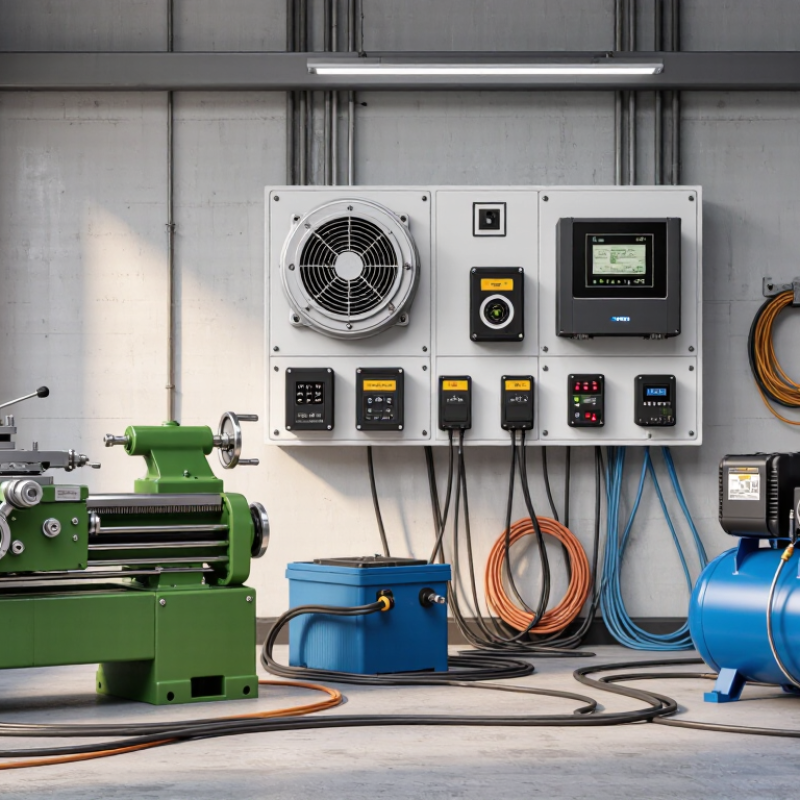
What a Single-Phase to Three-Phase Converter Does
A single-phase-to-three-phase converter takes single-phase electrical power and supplies three-phase power to equipment designed for it. Depending on its design, it generates the additional phase electronically or with a rotating machine. This allows a three-phase motor to produce the rotating magnetic field it needs to run. That matters.
In a workshop, a machine may have a three-phase motor even though the building has only single-phase service. A converter can make that motor usable without replacing it or requesting a different utility connection. It does not simply boost voltage. The output voltage, frequency, and current must suit both the motor and its load. Capacity should account for horsepower, starting current, and any other machines connected.
Converter designs differ. Some serve one motor, while others can supply several loads; starting performance and output quality vary. A lathe cutting gently may place different demands on a converter than a compressor starting under pressure. Check the motor nameplate and converter specifications, then have a qualified electrician verify wiring, grounding, and protection. The nameplate is a useful starting point, not the whole answer; installation details can change what will work reliably.
Best Single Phase to Three Phase Converter 2026 - What a Single-Phase to Three-Phase Converter Does
A single-phase-to-three-phase converter supplies three-phase power to compatible equipment where only single-phase utility power is available. The best choice depends on the motor, starting load, operating pattern, and required output.
| Converter Type | How It Works | Common Applications | Selection and Sizing Guidance | Key Advantages | Important Limitations |
|---|---|---|---|---|---|
| Variable frequency drive (VFD) | Rectifies incoming single-phase AC to DC, then synthesizes three-phase AC. It can vary motor speed by changing output frequency. | One compatible three-phase motor, such as a pump, fan, conveyor, or machine tool. | Check that the drive is specifically rated for single-phase input. Single-phase input commonly requires derating; follow the manufacturer’s input-current and motor-sizing instructions. | Provides speed control, soft starting, and adjustable acceleration and deceleration. | Not generally intended to power an entire building or multiple unrelated loads. Some motors, controls, or applications may not be compatible with VFD output. |
| Rotary phase converter | Uses a rotating idler motor and electrical components to generate a third phase alongside the supplied single-phase power. | Workshops and installations operating one or more three-phase machines, subject to converter capacity and load arrangement. | Size for the largest motor’s starting demand and the combined running load. Follow the converter maker’s guidance for simultaneous starts and load balance. | Can serve multiple motors and equipment that need fixed-frequency three-phase power. | Has a rotating component, takes up space, and can be less efficient than a drive for a single motor. Output voltage balance can vary with load. |
| Static phase converter | Uses capacitors and switching components to assist motor starting; it does not continuously generate a fully balanced third phase in the same way as a rotary converter. | Some fixed-speed, lightly loaded machines with compatible three-phase motors. | Match the converter to the motor and the application. Confirm the permitted motor load and starting requirements before purchase. | Typically compact and simple, with no continuously rotating idler motor. | Often intended for starting one motor rather than supplying several loads. Motor output or usable capacity may be reduced; suitability varies by application. |
| Electronic phase converter | Uses power electronics to convert single-phase input into a controlled three-phase output; design and output features vary by unit. | Equipment that requires electronically generated three-phase power, including selected industrial or commercial loads. | Verify input phase, output voltage and frequency, continuous rating, overload capability, and compatibility with the connected load. | Can provide controlled output without a mechanical idler; some models offer monitoring and protection features. | Capabilities differ substantially between designs. Confirm whether the unit supports motor starting, multiple loads, or variable-speed operation as needed. |
| Utility three-phase service | The utility supplies three-phase power directly to the premises; no phase converter is needed at the equipment. | Sites with several substantial three-phase loads or continuous high-power operation. | Ask the local utility and a qualified electrician to assess service availability, voltage, load demand, and installation requirements. | Provides a direct supply suitable for properly rated three-phase equipment. | Availability, connection costs, lead times, and electrical work depend on the location and utility. |
Before choosing: Check the equipment nameplate for voltage, phase, frequency, full-load current, and motor horsepower or kilowatts. Converter ratings and performance vary by model, so have the installation reviewed by a qualified electrician.
Related Posts
-
5 Tips for Choosing a 1 Phase to 3 Phase Converter?
-
Understanding the Benefits of Phase Converters: Transforming 1-Phase to 3-Phase Power Efficiently
-
10 Tips for Choosing a 3 Phase Converter
-
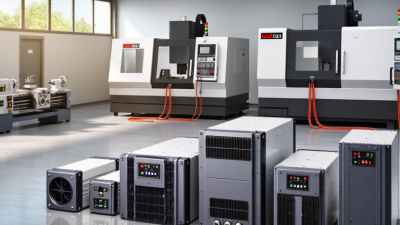
China Top 10 Three Phase Converter Manufacturers
-
7 Tips for Choosing a Single Phase to 3 Phase Converter?
-
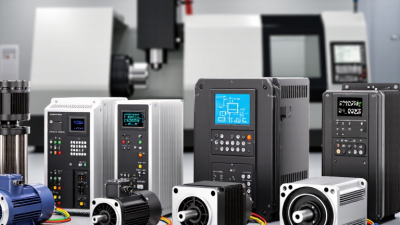
2026 Top Solid State Phase Converter Types for Buyers