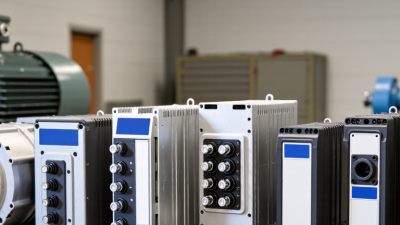
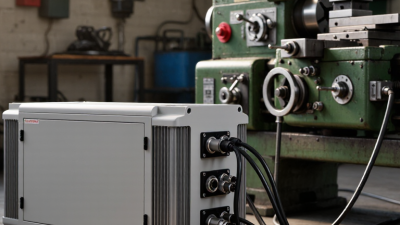
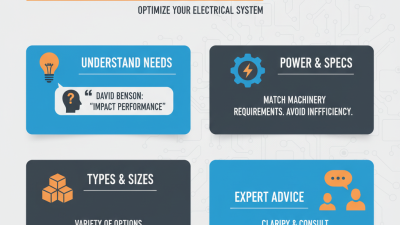
Choosing a 3 phase to single phase converter is not a simple matter of comparing prices. The right unit must suit the supply voltage, required output, frequency, and actual load. A workshop lathe, a small pump, and a bank of electronics can place very different demands on the same converter. Starting current matters. So do heat, noise, and available installation space.
This guide examines China’s top 10 suppliers through practical criteria: product range, stated ratings, technical documentation, customization, support, and manufacturing experience. A supplier’s catalog is only a starting point. Ask how its unit handles your specific motor or equipment, and request clear guidance on wiring and protection. Details matter. Dr. Robert W. Erickson is a recognized power-electronics professor and author. The following is an editorial paraphrase of a general engineering principle, not a verified verbatim quotation: “Match the converter to the load, not merely the nameplate.” That distinction can prevent a costly mismatch. Still, supplier claims need checking, and a shortlist cannot replace application-specific review. Some specifications may be unclear or incomplete. This guide aims to make comparisons more useful, while leaving room for careful questions before purchase.
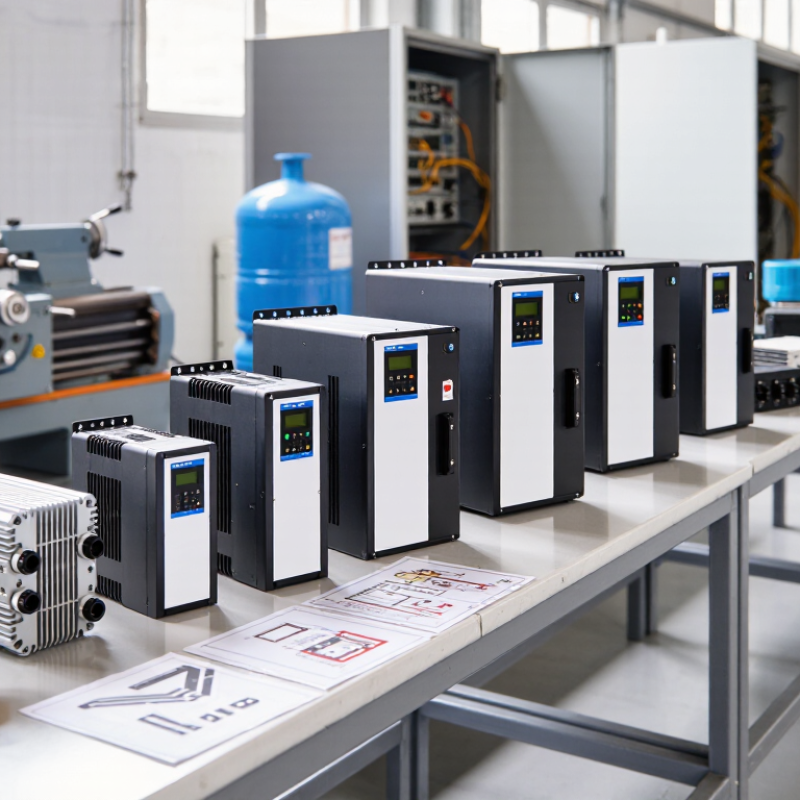
A three-phase-to-single-phase converter supplies single-phase power from a three-phase source. It can help a workshop run equipment when the available supply and the machine’s input requirements differ. The converter does more than alter a plug connection. Its internal design determines how voltage is transformed and how the output behaves under load. That matters. Some devices are sensitive to voltage variation or waveform quality.
A practical selection starts with the equipment nameplate: note input voltage, frequency, rated current, and power. Check the converter’s continuous output rating, not only its brief peak capacity. Motors, pumps, and compressors may draw much more current while starting. A unit sized only for steady operation can trip or overheat. Small details count. Confirm whether the load needs a neutral connection and a particular output waveform.
Installation conditions deserve equal attention. Ask a qualified electrical professional to verify the supply, protective devices, cable sizing, and grounding. Leave room for ventilation, and observe the converter during initial operation for unusual heat, noise, or voltage changes. Even a careful nameplate comparison can miss a startup surge or an awkward duty cycle. Not always obvious. Record the actual load behavior before choosing capacity, and check the converter’s technical documentation for operating limits.
Three-phase-to-single-phase converters usually rectify the incoming AC into a DC link, then use an inverter to produce single-phase AC. In a common six-pulse rectifier, the DC ripple repeats six times per input cycle. On a 50 Hz supply, that means 300 Hz ripple before filtering. The DC-link capacitors smooth it. Inverter switches then shape the output voltage and frequency.
The details matter. Single-phase loads draw pulsating power at twice the output frequency, so the DC link must buffer energy between peaks. At 50 Hz, that pulse rate is 100 Hz. Active front ends can also control input current and reduce harmonics, while simpler designs may need additional filtering. Neither design suits every load. Motor starting current, output voltage, and continuous rating should be checked against the actual equipment.
IEEE Std 519-2022 sets voltage-distortion limits at the point of common coupling: up to 8% total harmonic distortion for systems at or below 1 kV, and 5% for systems above 1 kV through 69 kV. These are system-level limits, not a guarantee of clean output from any converter. A practical assessment should measure the supply and load. Small installations are sometimes undersized because the nameplate running current looks modest. That can be a costly assumption.
Choosing a three-phase-to-single-phase converter supplier requires more than comparing prices. Check the input voltage and frequency range, rated output, continuous capacity, and overload response. Ask for test results at several load levels, including startup and full load. A unit may perform well in a factory test but behave differently with your actual equipment. That detail matters.
The International Energy Agency’s Electricity 2024 report says global electricity demand rose 2.2% in 2023 and projects average annual growth of 3.4% for 2024–2026. This broad trend does not prove converter quality, but it makes capacity planning worth careful attention. Request documented efficiency, temperature-rise, protection, and harmonic-distortion results. Confirm that test documents match the exact model and configuration being quoted. Also inspect enclosure quality, wiring labels, component traceability, and the supplier’s process for handling warranty claims. A polished datasheet is useful, but it is not field evidence.
Tips: Share your real load profile, not just its nameplate rating. Ask for a witnessed load test and a written service-response time. I would still verify one point: supplier claims can be hard to compare unless the test conditions are identical.
China’s Top 10 Three-Phase-to-Single-Phase Converter Suppliers should be assessed by engineering evidence, not catalog claims alone. China Electricity Council’s 2023 electricity report recorded national consumption of 9.22 trillion kWh, up 6.7% year on year. That growth reflects broad demand, but it does not prove converter quality. Buyers should compare rated input and output voltage, continuous capacity, overload response, and measured output-voltage balance. Ask for test records under the intended load, not only at no load. Small detail. It matters.
For workshops and remote facilities, a useful supplier can explain how a converter handles motor start-up current, heat, and uneven loading. Request efficiency and harmonic-distortion data, plus protection details for overload, overheating, and short circuits. The International Energy Agency’s Electricity 2024 report projected global electricity demand growth averaging 3.4% annually from 2024 to 2026; this is useful context, not a direct forecast for converter sales. Compare warranty terms, spare-parts access, and technical response times in writing. One limitation: public “top ten” rankings rarely disclose a consistent scoring method. A shortlist is more reliable when supported by factory audits, sample testing, and references from comparable applications. I would still verify the figures independently.
Supplier-neutral comparison framework. The figures below describe common system configurations and purchasing checks; actual ratings and performance depend on the converter design and must be confirmed in the supplier’s datasheet.
| No. | Supplier evaluation dimension | Common configuration or requirement | What to verify |
|---|---|---|---|
| 1 | Three-phase input voltage | Common low-voltage supply systems include 380 V, 400 V, and 415 V AC, three phase. | Rated input voltage, allowable operating range, frequency, and phase sequence. |
| 2 | Single-phase output voltage | 230 V AC is a common single-phase output target; other voltage ratings may be available. | Nominal output voltage, regulation range, and whether the stated value is RMS. |
| 3 | Output frequency | 50 Hz and 60 Hz are common power-system frequencies. | Fixed or adjustable frequency, accuracy, and performance under load. |
| 4 | Rated output power and current | Capacity is product-specific; output power and current should be specified together. | Continuous rating, overload rating and duration, ambient-temperature derating, and load power factor. |
| 5 | Conversion topology | Products may use transformer-based conversion, power-electronic conversion, or a combined approach. | Topology, isolation method, waveform type, efficiency, and suitability for the intended load. |
| 6 | Output waveform and load compatibility | Loads can include resistive, inductive, motor, and electronic equipment; requirements differ by load type. | Waveform quality, total harmonic distortion where specified, crest factor, and motor-starting capability. |
| 7 | Protection functions | Protection provisions vary by model and may address overcurrent, overtemperature, or abnormal input conditions. | Protection list, alarm and shutdown behavior, reset method, and fault indication. |
| 8 | Installation and enclosure | Enclosure, cooling method, dimensions, and mounting arrangement depend on the power rating and application. | Enclosure rating, ventilation clearance, cooling requirements, terminal layout, and installation environment. |
| 9 | Testing and documentation | Documentation should match the specific model and destination market. | Datasheet, wiring diagram, test records, operating instructions, and applicable conformity documents. |
| 10 | Customization and support | Options may include non-standard voltage, frequency, terminals, enclosure, or control interfaces. | Written confirmation of configuration, lead time, warranty terms, spare parts, and technical support. |
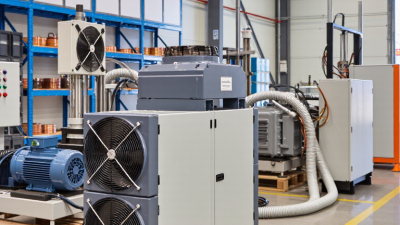
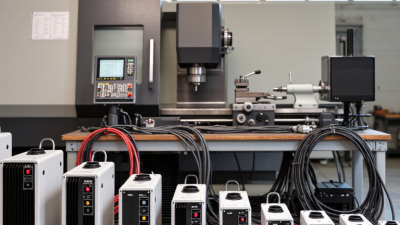
A three-phase to single-phase converter can help a workshop run equipment where only three-phase supply is available, or where a single-phase machine must be served from a three-phase system. Typical applications include small machine tools, pumps, compressors, and test benches. A converter may also suit a farm outbuilding with a dedicated motor. Check the load carefully: a compressor drawing modest current while running can demand much more during startup. That difference matters.
Supplier selection should begin with the equipment nameplate, not a broad capacity estimate. Confirm input and output voltage, frequency, continuous power, and starting-current capability. Ask whether the stated rating applies to your duty cycle and load type. Small details matter. Request written specifications, wiring guidance, and clear protection features, such as overload and overtemperature shutdown. For sensitive electronics, verify output quality and compatibility rather than assuming every converter produces the same waveform. Also consider enclosure rating, ventilation, service access, and replacement-part availability. A low purchase price may not reflect installation or operating costs. I would still verify the final sizing with a qualified electrical professional; nameplate data alone can miss unusual startup behavior or future load changes.